Then & NowThe passport that was lifeline for refugee Jews and White Russians who fled to China and Hong Kong
The Nansen passport – named after a Norwegian Nobel laureate – allowed those left stateless after the first world war to escape, including famous names such as Marc Chagall, Anna Pavlova and Aristotle Onassis

Contemporary Hong Kong has numerous asylum seekers, as refugees or displaced persons are now described. While their individual claims are being processed – a laborious bureaucratic exercise that usually leaves these unfortunate people in limbo for years – travel and other identity documents are required. These days internationally recognised identity documents are issued by the United Nations High Commissioner for Refugees. But how did refugees without valid papers travel in earlier times?
In the wake of the first world war, international borders in Europe were dramatically redrawn as long-established political entities, such as the Austro-Hungarian and Ottoman empires, disintegrated into nation-states that coagulated mostly along ethno-linguistic lines. Millions of displaced persons surged across new borders throughout Central and Eastern Europe and the Balkans. Others – trapped in the ghastly aftermath of war and political chaos – found themselves fleeing for their lives.
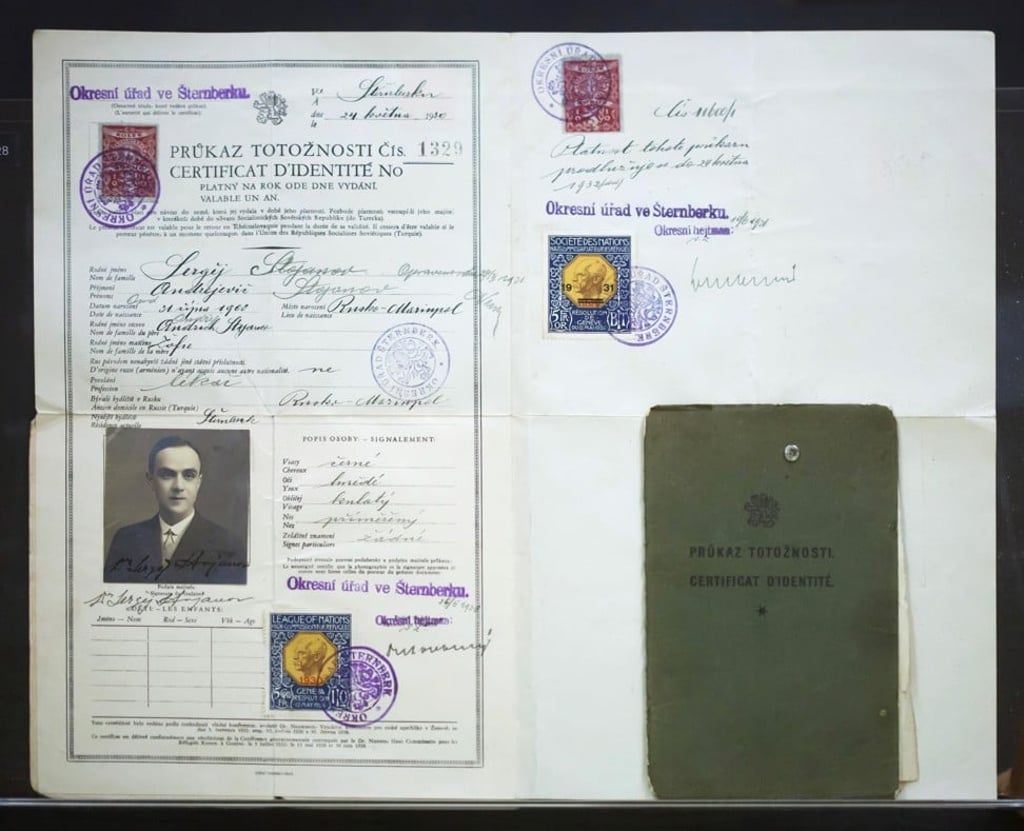
The League of Nations, formed in 1920, issued travel documents for those refugees with no claim on alternative citizenship through place of birth, marriage or descent. Known as Nansen passports, these documents were named after renowned Norwegian polar explorer, politician and humanitarian Fridtjof Nansen. Famous during his lifetime, though today largely forgotten outside Scandinavia, Nansen became involved in the plight of refugees in the aftermath of the first world war and worked tirelessly to assist them.
He regarded refugees as “citizens of the world” to be helped, rather than an unwelcome burden on the countries to which they fled.