Reflections | In imperial China, hopeless leaders inherited power. Today, they are elected
Leading a nation is no easy task, and nor is everyone suited to it, as certain US presidents and Chinese emperors have showed

I feel sorry for my American friends. It must be deeply embarrassing to have a buffoon representing you on the world stage. New lows were reached during United States President Donald Trump’s speech at the United Nations last month. Bereft of his fans or the deference he is used to back home, the audience of international diplomats laughed at him for making the most ludicrous claims. While I do not think Trump is stupid, the job of presiding over a global superpower is probably way over his head.
Hereditary monarchies all over the world have produced numerous less-than-intelligent rulers, and imperial China was no exception because, sometimes, the principle of primogeniture (wherein the eldest son of the principal wife takes precedence) was adhered to in lieu of common sense.
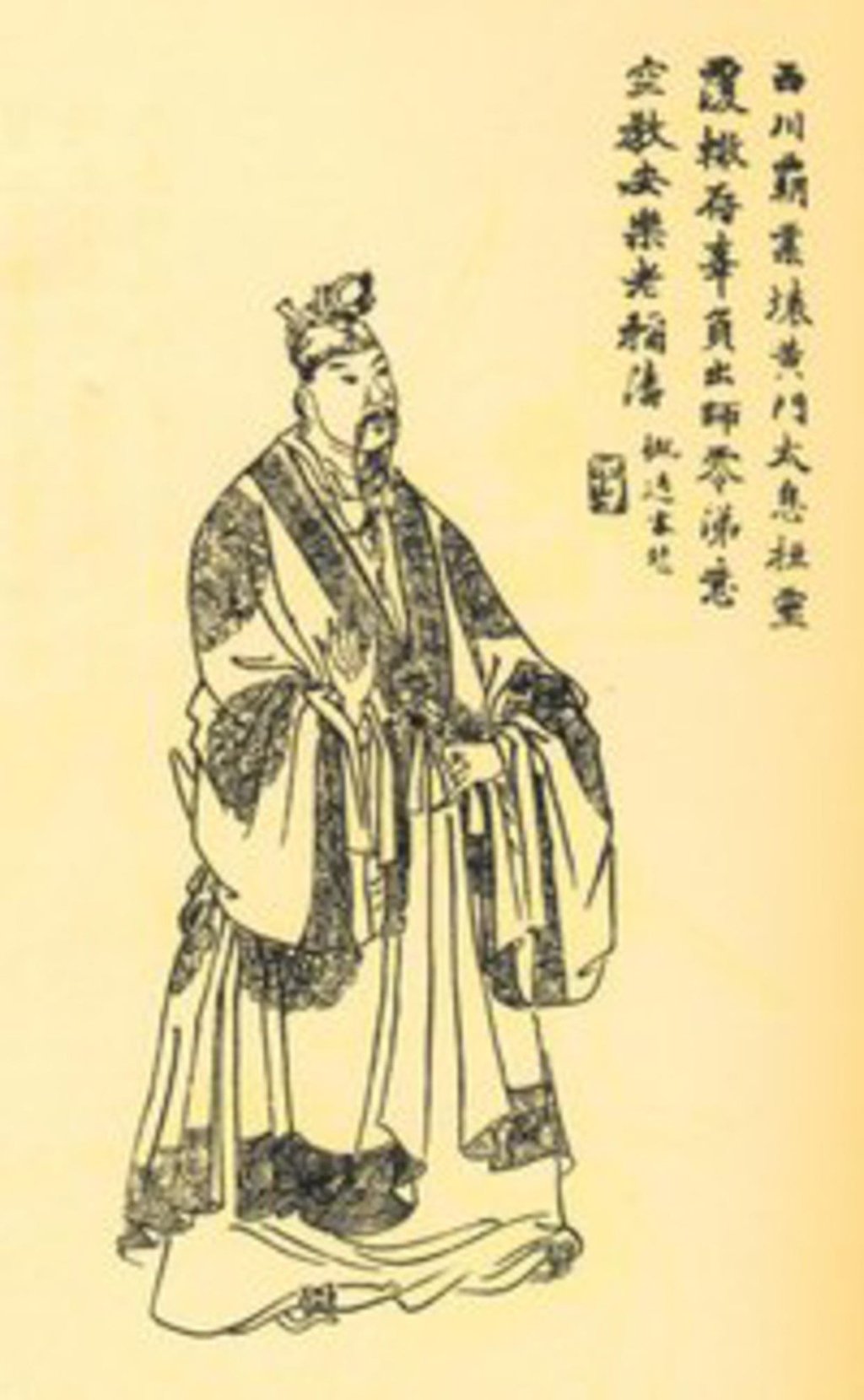
Liu Shan, the second and last ruler of Shu-Han state, based in present-day Sichuan, had neither the courage nor the wits of his father Liu Bei, an intrepid warlord during the Three Kingdoms Period (220-280) and founding emperor of the state. He was lucky to have several able ministers assist him in his 40-year reign, but when they passed he became as helpless as a baby.
When the state of Wei to its north launched a military campaign against Shu-Han in 263, Liu Shan capitulated without a fight, putting a swift end to the kingdom that his father had fought so hard to acquire. After his surrender, Liu was relocated to Luoyang, the capital of Wei, and named Duke of Anle (literally “duke of peace and happiness”). On one occasion, Sima Zhao, the regent of Wei, threw a banquet for Liu, during which Shu-Han music and dance were performed. While his entourage seemed saddened by the familiar sights and sounds, when Sima asked Liu whether he missed home, he replied: “Life is enjoyable here; I don’t think of Shu.”
Xi Zheng, one of Liu’s followers, later advised him that if Sima were to pose the same question again, he should say, with tears in his eyes: “The tombs of my ancestors are all in the land of Shu. My heart aches for the west, and there is not a day I do not think of home.” And then he should close his eyes in grief.