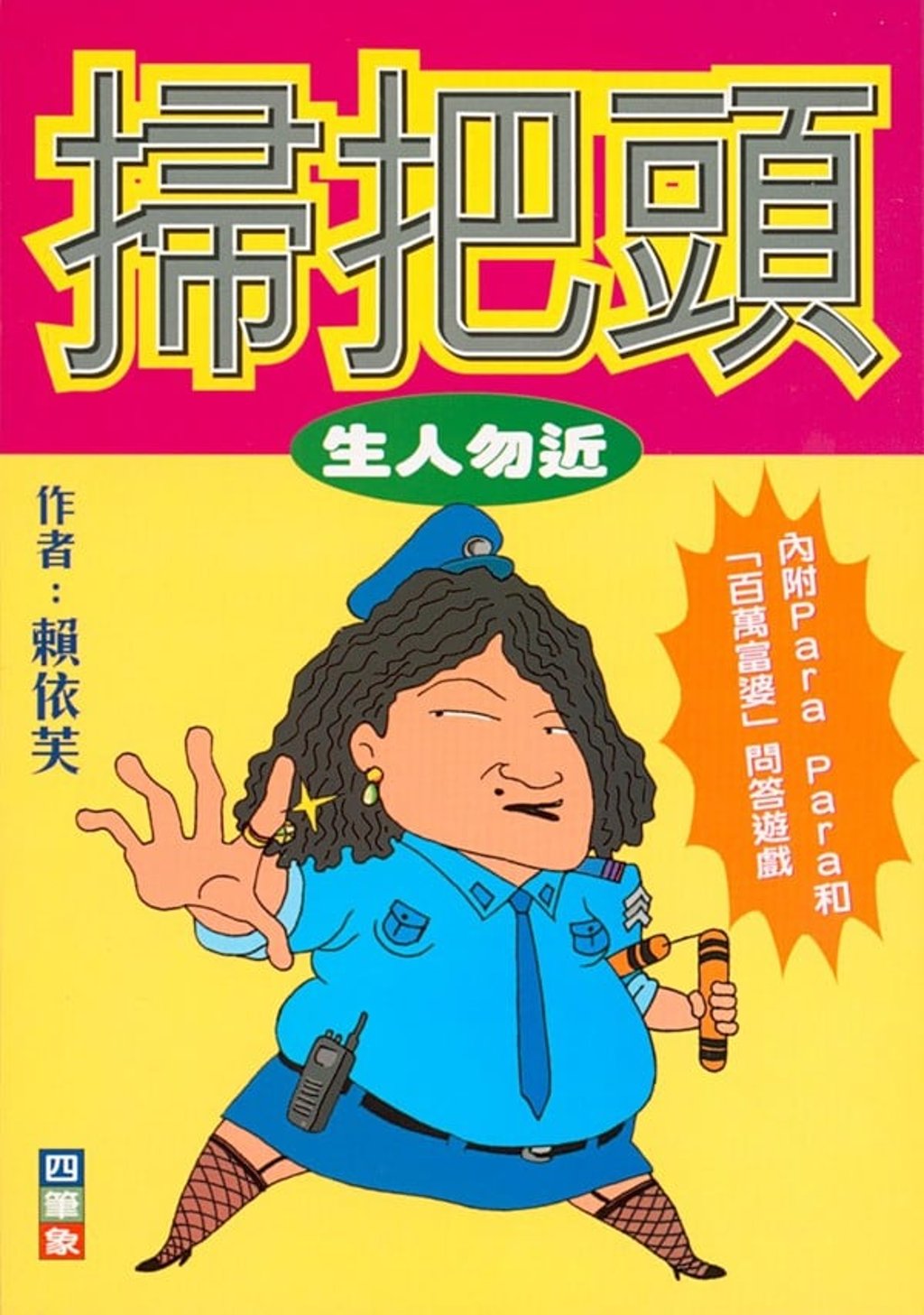
Then & NowHow Hong Kong’s Regina Ip got her ‘Broom Head’ nickname, and why the household item arouses such superstition
Feared for its ability to bring bad luck, the harmless broom – often the source of unflattering nicknames – is kept at arm’s length during Lunar New Year. Find out why

Superstitions attached to brooms have been aspects of Chinese life for a couple of millennia at least. As brooms are intended to sweep away rubbish, if someone is beaten with a broomstick, the assault is considered more insulting than one delivered with a stick, bamboo pole or fists.
Across Hong Kong, brooms are replaced more frequently than other household items; as Lunar New Year approaches, people buy new ones to help sweep away the old year’s accumulated bad luck, along with the household dust. After this major domestic clean-up has been completed, just before Lunar New Year’s Eve, brooms, brushes and dustpans are put away until the holiday is over. In traditional homes, servants are instructed not to sweep up, and face a fearsome scolding if they do – using a broom during this festival period is believed to sweep away any good luck in the offing.
A broom type that never took off in Hong Kong is one known as a sapu lidi in the Malay-speaking world that is found across Southeast Asia. This hand broom is made from the bundled spines of individual coconut palm fronds, and is generally used for sweeping down a bed before sleeping on it, usually after some kind of mosquito repellent has been spread about for the night.
Brooms also provide unwelcome personal nicknames. Across cultures – and China is no exception – unattractively skinny women (and men) are often unflatteringly referred to as broomsticks. Sometimes, though, it is the “business end” of the broom, rather than the pole, that is referenced.