Language MattersAs Trump calls US-bound migrant ‘caravan’ a national emergency, a look at the word’s humble origins
How the word ‘caravan’, which originated from the Persian word for trader, eventually entering English in the 1590s, became a political flashpoint

As the global migration crisis worsens,there has been much scaremongering over caravans.
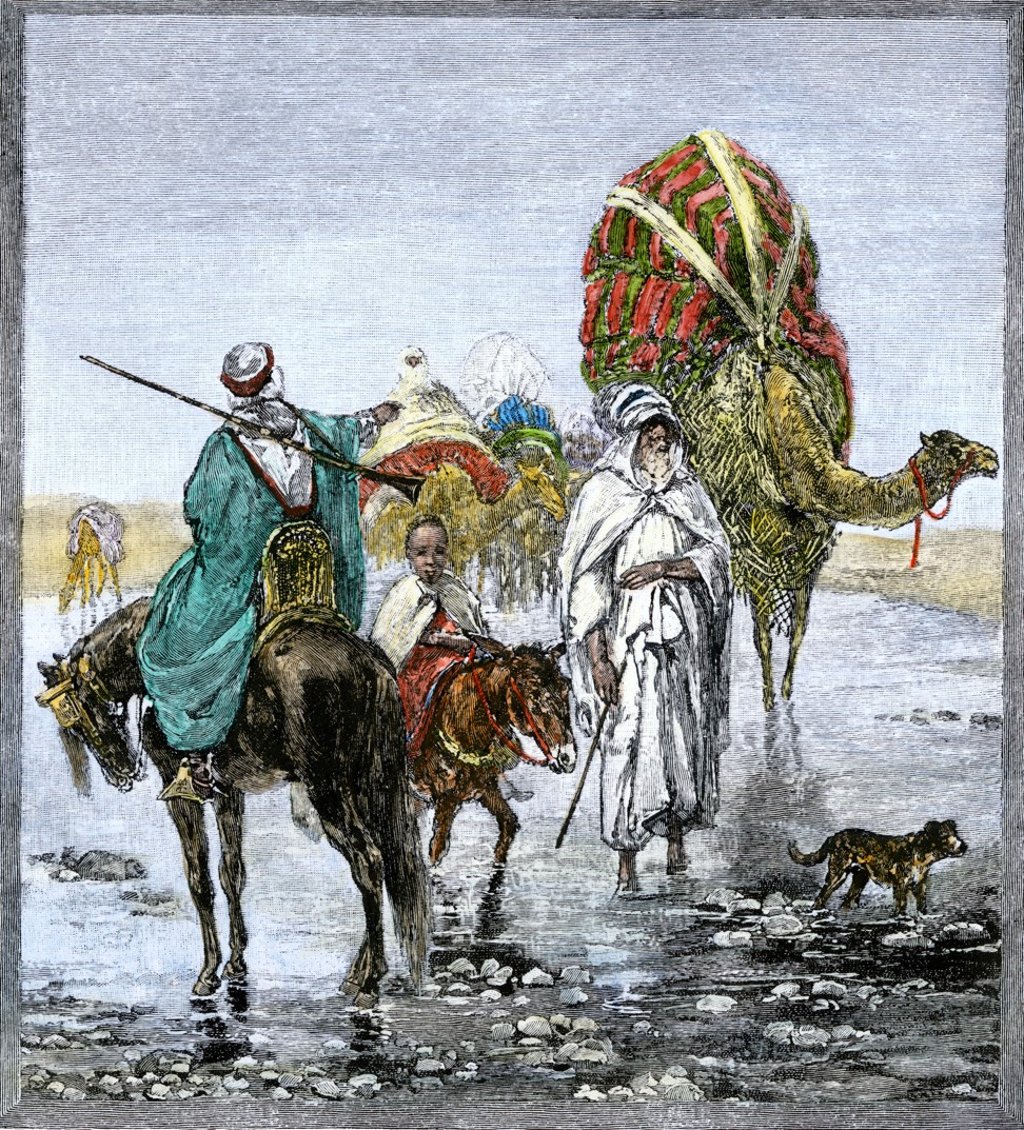
The word “caravan” describes a company of merchants, pilgrims and other travellers in the East or in northern Africa, moving together for security, especially through the desert, with animals such as horses, camels or elephants for the carriage of provisions. Originally from the Persian kārwān (“trader” or “dealer”), it entered European languages via the Arabic “qairawan”, in encounters during the Crusades of the 11th to 13th centuries, in the Crusader states founded in the Levant, whose populations communicated in vernacular forms of French, Italian, Greek, Armenian and Arabic.
“The dogs bark, but the caravan goes on” is a saying in many languages across the Levant.
The earliest record in Western languages, from the second half of the 12th century, is the medieval Latin “carvana”/ “caravana”/ “karavenna”. This developed as the French “caravane” and the Italian “caravana”, from which it entered English in the 1590s.
This is emblematic of how Persian words entered English throughout history – through various, sometimes circuitous, routes. Long before the Crusades, cultural contacts between Persians and ancient Greeks and Romans introduced words, such as “pistachio”, into Greek and Latin, and from there, into English.