Then & NowWhy we have amateur historians not academics to thank for understanding of Hong Kong
Much of our foundational knowledge of local and regional customs and connections has come from enthusiasts, rather than those who occupy scholarly positions of authority

In today’s hyper-specialised, thoroughly corporatised academic world, a generalist background, especially at the serious end of the humanities spectrum, offers limited pathways to career success. Broad-based scholarship that benefits wider society is marked down in most career assessment exercises. By contrast, worrying away at some microscopic, arcane subject for years on end usually ensures promotion.
Enforced retirement ages in local academia help trim off the dead wood that accumulates over time, but these days also give a plausible excuse to rid institutions of politically embarrassing, inconveniently candid faculty members at the earliest legally acceptable convenience.
But where did our foundational knowledge about Hong Kong history and its regional connections, Chinese customs, minority or vanishing languages, dialect variations and their specific origins, food culture and its evolution – to cite a few examples – all come from?
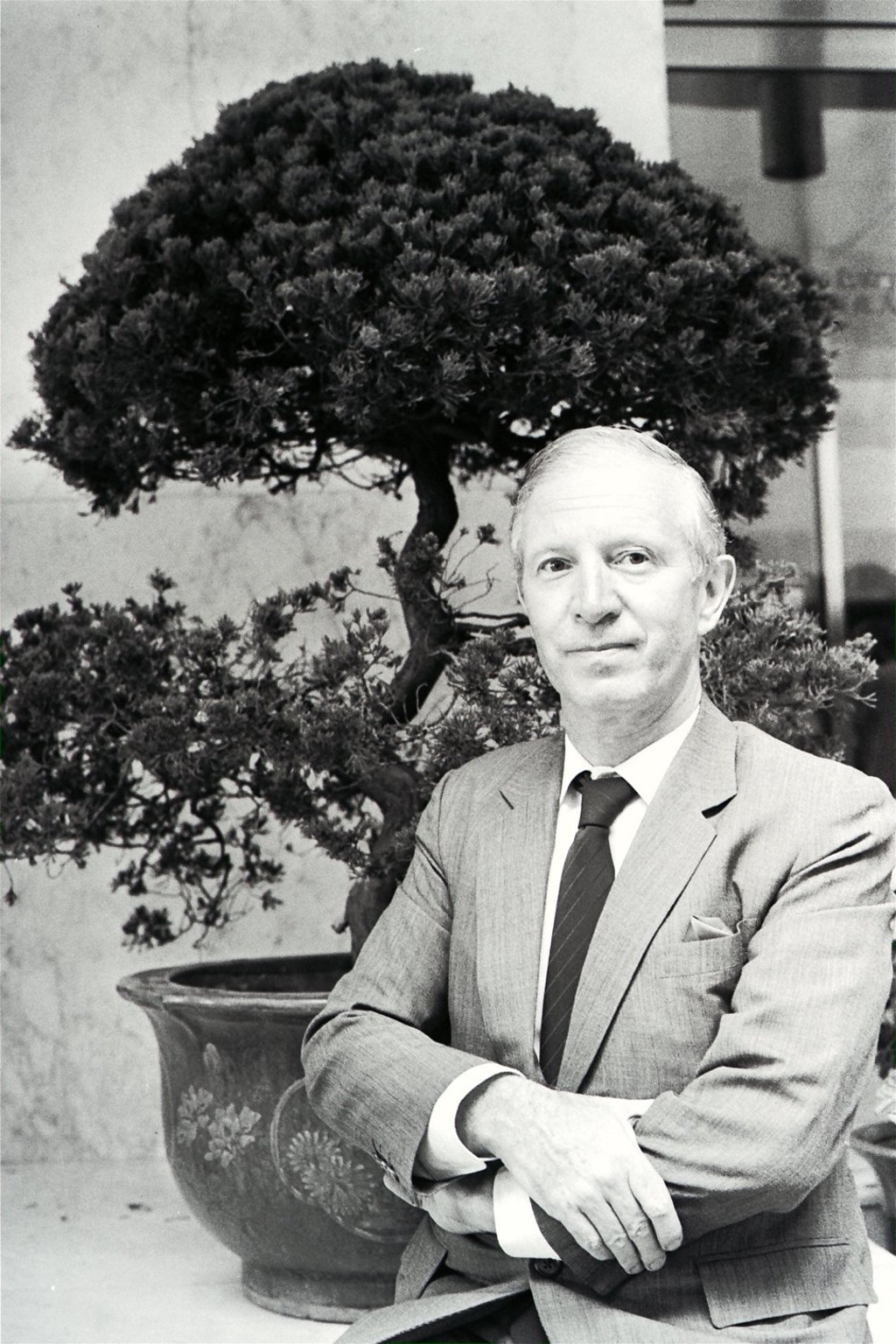
Virtually all of what we now know of the local past is derived from the part-time work of generations of amateur scholars and enthusiastic generalists. In their spare time, these men (and yes, most of what we know comes from old, white, mostly long-dead men) explored, evaluated and recorded their interests and enthusiasms – sometimes to the point of mania – and then published their accounts in scholarly journals and book-length monographs.
Among the most fortunate amateur scholars were those who could combine their “day job” with the rewards of an intellectually absorbing pastime. Government administrators, especially those whose working lives were mostly spent in the New Territories, were in daily contact with village customs and modes of life that, well into the 1950s, had changed little in a century or more. Personal longevity and collegiality across the generations among administrative services veterans also helped.