
Then & NowIn former colonies Hong Kong and Taiwan, ‘national’ identity often emerges from fanciful nostalgia
- Imperial culture is appealingly commodified by the heritage marketing industry
- Whether British or Japanese, it is eulogised by those who did not live through it
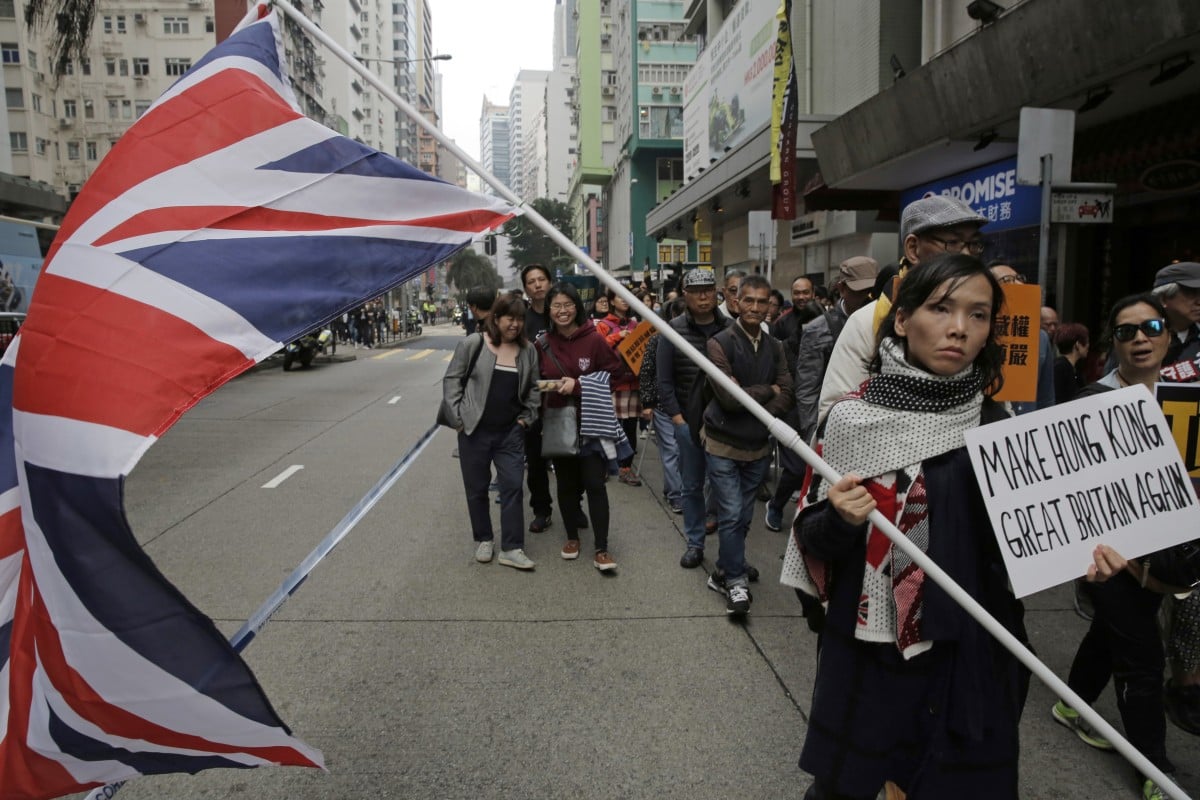
A less remembered aspect of the colonial experience is the dual or multiple identities that evolved over time. Australians, New Zealanders, Canadians and citizens of other self-governing territories regarded themselves as both that emergent nationality and British. How strongly a person’s identification with their country of origin persisted depended on individual or family links to “the old country”.
After a couple of generations, especially in the days when communications were slow and intercontinental travel was economically impossible for most, personal bonds weakened and were replaced by local affiliations.
Cultural Britishness was embraced by emergent colonial peoples, who either retained personal or ethnic attachments to their country of origin or discerned distinct advantages from claiming them; many Eurasians across colonial Asia found such links beneficial. As well as race, language was an obvious personal identity marker; sports, games and other pastimes were another. Those who eventually embraced a separate national identity retained the aspects of the imperial culture that they enjoyed or found useful; the attachment to cricket, field hockey and the English language across the West Indies, the Indian subcontinent and large tracts of Africa make this observation plain.
These complex identity issues affected colonial subjects of non-Western powers as much if not more than those of European descent. These days, “colonial” is shorthand for a “white” experience of life in Asia, Africa, Oceania and elsewhere. This label sidesteps the fact that the Japanese were, for several decades, also a major colonial power in East Asia, and had colonial peoples, whose own identities evolved as a result of Japanese influence.
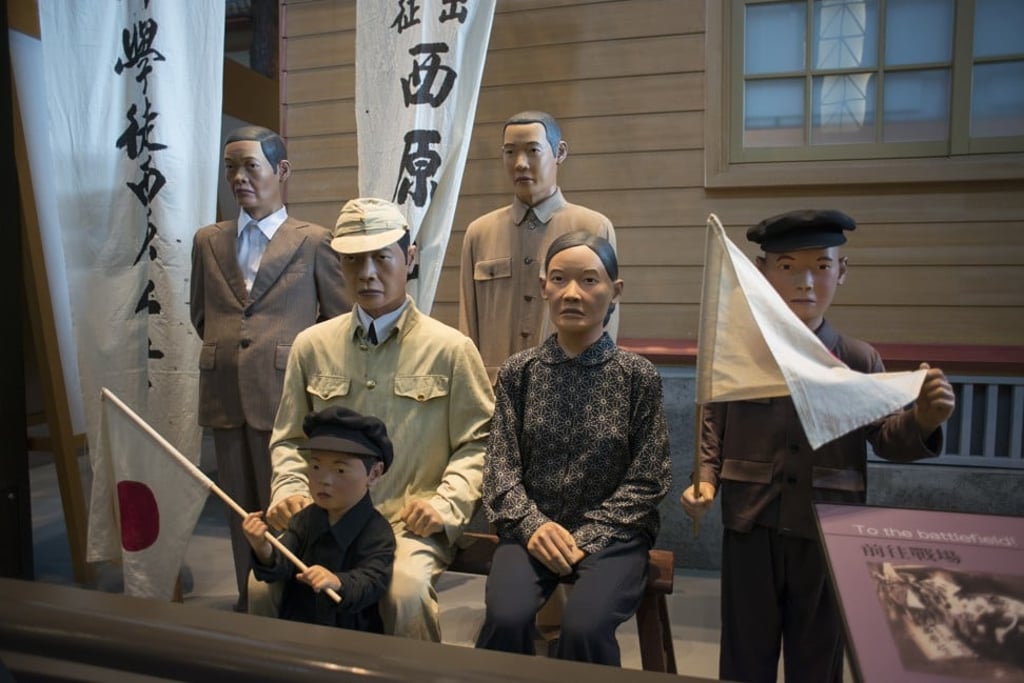
Formosa (modern-day Taiwan) became a colony of the Empire of Japan after the 1894-95 Sino-Japanese war, and remained so until 1945. Half a century on, a distinctive Taiwanese cultural identity had evolved. Whatever contemporary political demands might say to the contrary, Taiwan continues to be different from mainland China, and this is not merely due to the fact that the island never experienced communist rule. The Japanese colonial legacy is a key component.