OpinionCash vs contactless: in coin-free world, one man struggles to stick to the good old way
With real money on its way out, do the risks of using credit cards – scams, debts and identity theft – outweigh the benefits?

Pick a card, any card … no, don’t show me. Visa! Right? Mastercard? Whatever. They’re all the same in seemingly making life easier by doing away with actual, tangible money and liberating you from clunky, clanging change, and dirty notes greasy with fingerprints and dancing with germ rave parties.
Welcome to the brave new Republic of Cashless (or for royalists, the emperor’s new cash). We’re not talking about China’s headlong charge into the QR-code universe, that one-step-beyond madness of paying for everything using online short cuts that translate into total Big Brother surveillance.
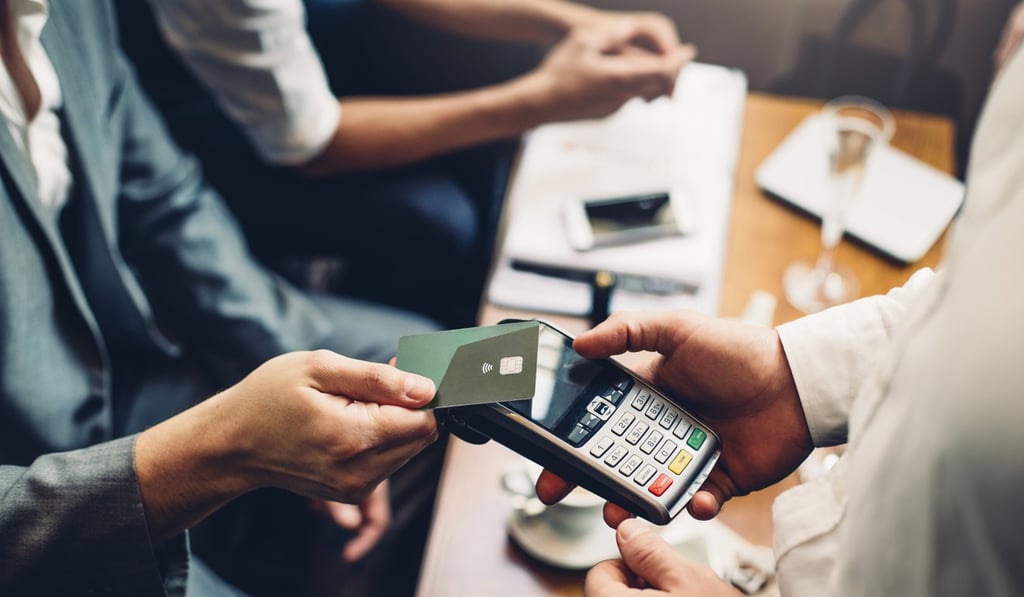
Rather, in a tableau suggestive of “one country, two worlds-apart systems”, Hong Kong, for so long a distant pinprick on China’s unattainable-modernity horizon, must consider whether to embrace that halfway house between daily cash use and paying for everything by facial recognition: the wave-and-pay card. Many stores already have the machinery in place, but Octopus remains dominant, for now.
“Contactless” is the undisputed way to go even in third-world countries, such as Britain. In a London pub recently, I tried to pay for a pint with physical money. The barman looked at my £10 note as he would have something brought up in the corner of a bus shelter on a Saturday night, which he’d discovered on Sunday morning. Something left to congeal in the meantime.
“Er, oh,” he winced, backing into the whisky display. “No one’s paid cash here for quite a while.”