Language MattersOn Mother’s Day, the many meanings of the word and where they came from
- From Mother Nature to the “mother of all battles”, as Saddam Hussein described the 1991 Gulf war, the significance is not always maternal

Mother: “a woman in relation to a child or children to whom she has given birth; any female animal in relation to its offspring” (Oxford English Dictionary).
But what other meanings does “mother” hold?
“To mother [someone]” entails raising that person with love and care and being protective, sometimes excessively so.
The British idiom “to be mother” means to pour tea for others, encapsulating the traditional role of women as carers and the comfort brought by offering the brew.
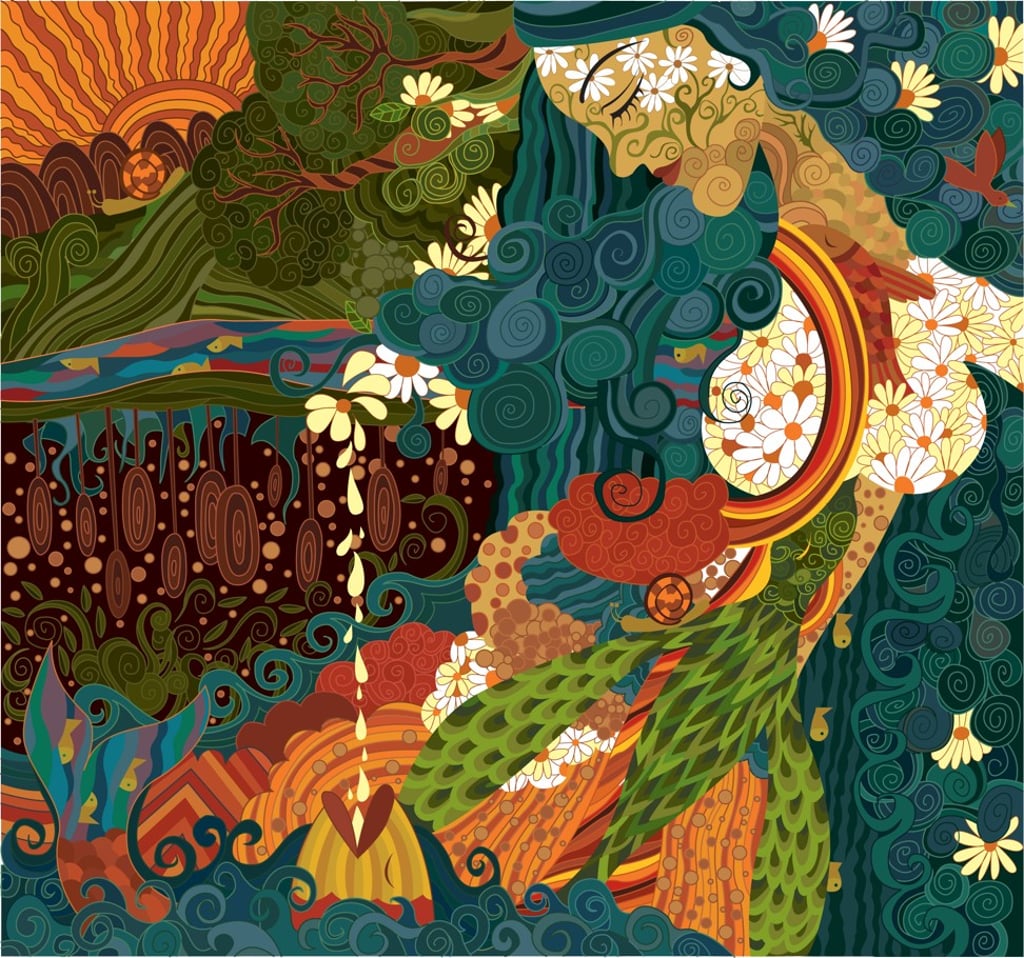
The word’s association with the origin of life is evident in various phrases. “Mother Nature” or “Mother Earth” is the Greco-Roman personification of the natural world as provider or cause of natural disasters. An “earth mother” is a nurturing, maternal woman. “Mother country” is where one, or one’s parents or ancestors, was born; a “mother tongue” is a first or native language.