Then & NowThe lingo may have changed but China’s communist control techniques have not
Though the Mao outfits and cold war-era vocabulary have gone the way of ‘the red menace’, the Communist Party’s totalitarian grip on China is as tight as ever
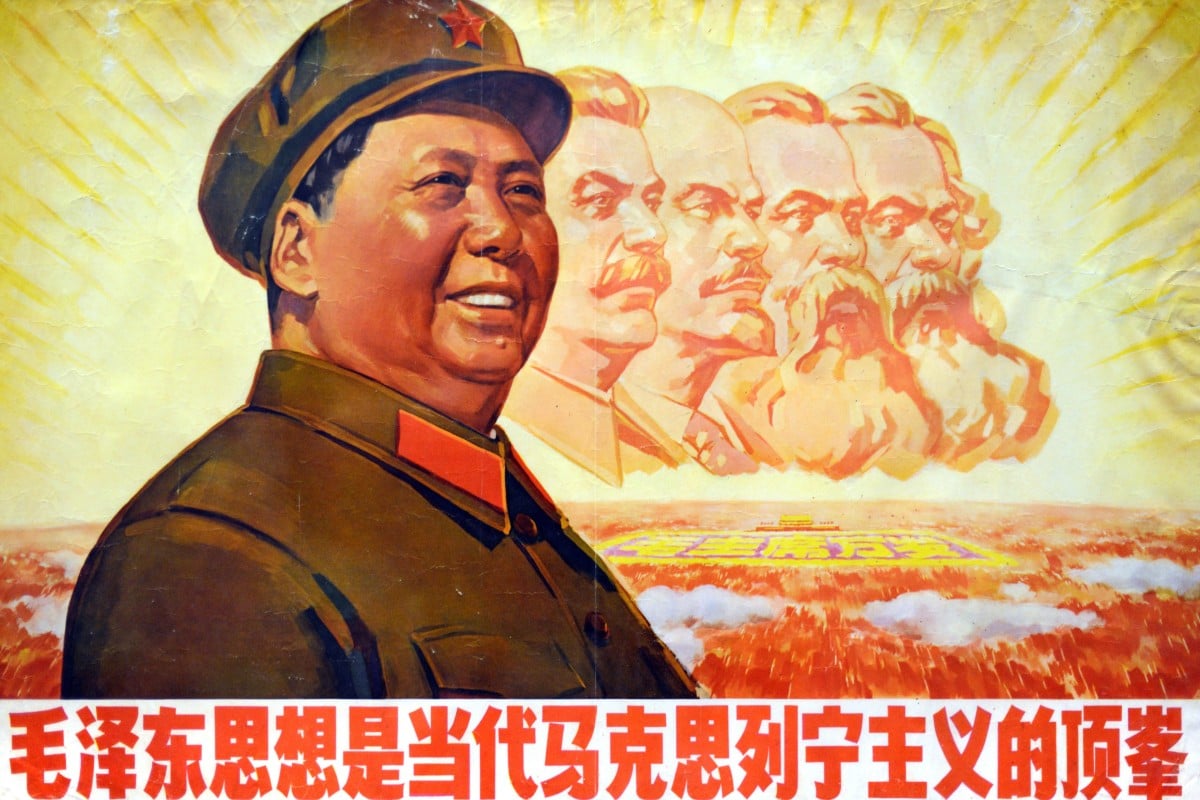
With the fall of the Berlin Wall in 1989, the collapse of the Soviet Union in 1991, the redrawing of national boundaries in Eastern Europe and the supposed end to “the red menace”, a whole vocabulary for global communist mindsets has been largely discarded.
Some communist regimes collapsed at the end of the cold war, most notably in Eastern Europe, and their societies reformulated on different political foundations. Others, such as the People’s Republic of China, partially rebranded and continued with their totalitarian grip on political power largely unaltered. A long-term view of history also helped: negative attention could be shrewdly redirected towards short-term domestic achievements, rather than structural shortcomings.
In China, sweeping economic reforms, exploding personal wealth, exponential growth in inbound and outbound tourism, overseas student expansion and burgeoning numbers of foreign residents all helped create the illusion that political and social change would inevitably follow economic liberalisation.
So how did apparatchiks somehow keep the party swinging? Communist control techniques remain as timeless today as when Lenin, Stalin and Mao honed their political skills.
First and foremost, “make the problem to be the solution” remains a perennial communist modus operandi. Festering socio-economic resentments are fostered and access to accurate information closely controlled. Use of established democratic institutions to subvert and eventually destroy themselves is another long-standing communist technique. Legislative systems become subverted from within; manufactured dissent, deliberately fomented quarrels and proxy arguments are used to distract the public from actual legislative business. Manipulation of legal procedures, to cloak creeping repression within the garb of judicial independence, due process and “rule of law” is another telltale communist hallmark.
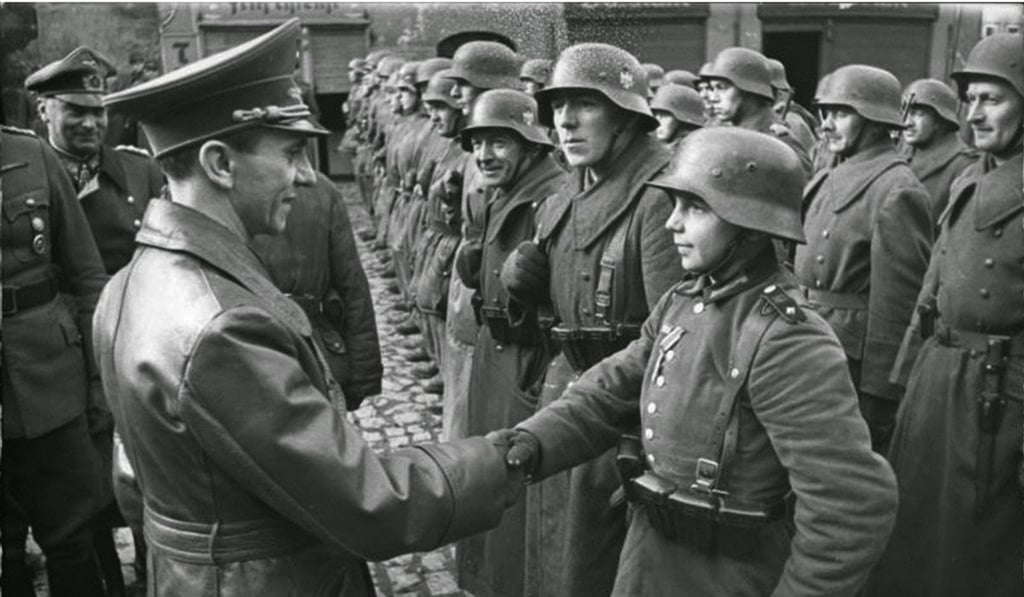
Endlessly reiterated flagrant lies – as chief Nazi propagandist Joseph Goebbels proved – eventually develop a patina of truth. The bigger the fib, the more likely it is to be believed. Repeated parroting of a designated “party line” (“‘One country, two systems’ has been successfully implemented since 1997 …”) stonewalls opposition voices, however reasonable and moderate.