Advertisement
PostMag
Life.Culture.Discovery.
Old Hong Kong
MagazinesPostMag
Jason Wordie

Then & Now | Why tales of expat murder refuse to die

Scandals surrounding the deaths of Lord Erroll in Kenya, Pamela Werner in Peking and John MacLennan in Hong Kong continue to resonate

Reading Time:2 minutes
Why you can trust SCMP
Pamela Werner

Imaginative retelling of bygone scandal epitomises expat societies the world over. Murder offers a perennial favourite for warmed-over, club bar tittle-tattle, especially when the killing is inter­twined with sex – the kinkier and more illicit the better. Financial peccadilloes stirred into the cocktail add further piquancy. Hong Kong is no exception.

Bestselling cliffhanger books, later adapted into films, are the results of a combination of historical research, journalistic prowess and – let’s face it – our baser instincts. W. Somerset Maugham was a master of this genre. His 1926 short story The Letter, about a sensational Kuala Lumpur murder in 1911, and the subse­quent trial, and dramatic acquittal, of the British woman who shot the lover who spurned her, was made into two successful eponymous Hollywood films (1929; 1940).
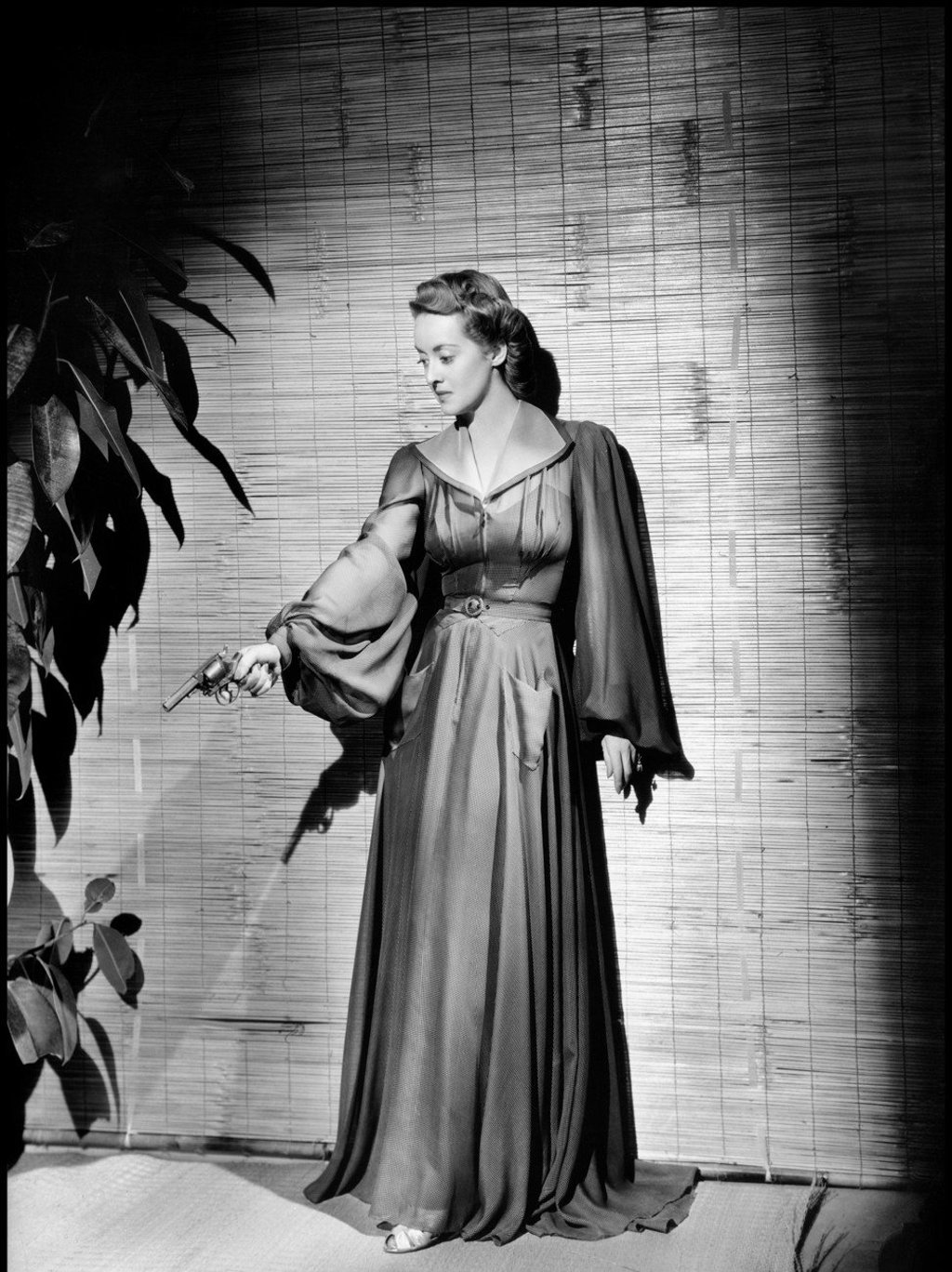
Bette Davis stars in the film adaptation of The Letter, by W. Somerset Maugham. Photo: Alamy
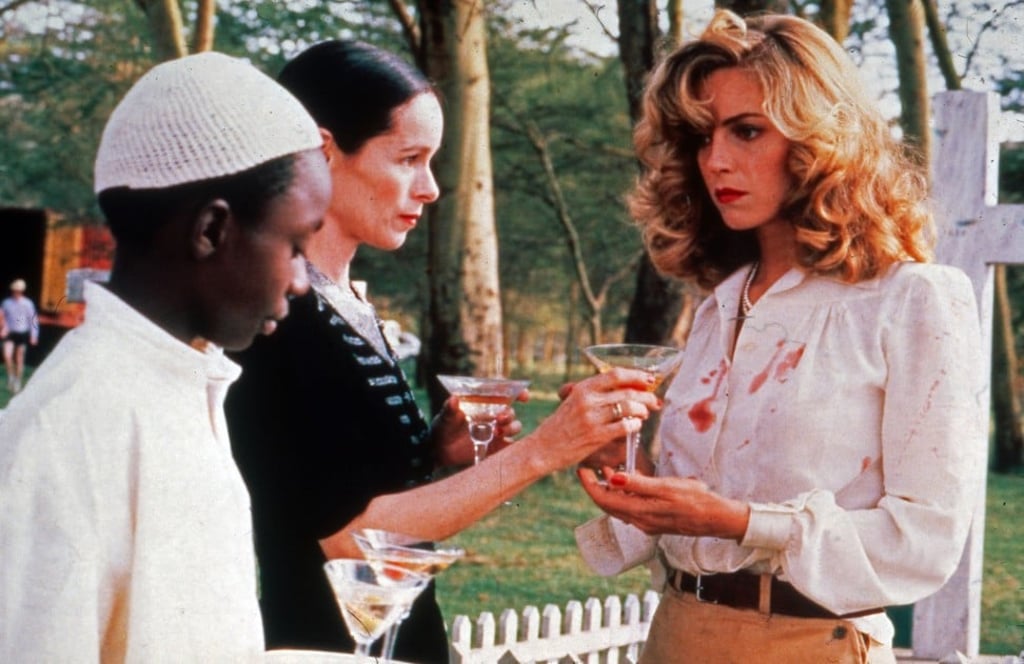
Probably the best-known example involved the mysterious death of Josslyn Hay, the 22nd Earl of Erroll, near Nairobi, in Kenya, in 1941. This scandal made headlines around the world. Casual promiscuity, adultery among aristocrats, male sexual jealousy over a beautiful woman, premeditated murder, perjury, alibis – the Erroll case had the lot. Endlessly raked over in Kenya and elsewhere, another popular film, White Mischief (1987), was made from the 1982 James Fox investigative book of the same name.
Advertisement
Greta Scacchi (right) and Geraldine Chaplin in the 1987 film adaptation of White Mischief. Photo: Alamy
When Pamela Werner, the 19-year-old daughter of retired British diplomat E.T.C. Werner, was murdered in Peking in 1937, it made international headlines for months. But the subsequent Japanese occupation of Peking, Communist takeover in 1949, and the worldwide dispersal of the pre-war expatriate community, ensured this story largely vanished. As the rumour mongers and their broader context disappeared, the Werner murder story went with them.

Revived interest by a later generation of foreign residents saw the tale imaginatively rehashed in Paul French’s detailed, if melodramatic, international bestseller Midnight In Peking (2011). This autopsy, in turn, led to a rebuttal by Graeme Sheppard, A Death in Peking: Who Really Killed Pamela Werner? (2018). Claims and counterclaims trudge on, more than 80 years after this unfortunate young woman’s violent, late-night death.

Advertisement
Advertisement
Select Voice
Choose your listening speed
Get through articles 2x faster
1.25x
250 WPM
Slow
Average
Fast
1.25x