Then & NowHow black magic superstitions breed prejudice in modern Hong Kong
Fear of curses, spells and the ‘dark arts’ land Southeast Asian women in the dock

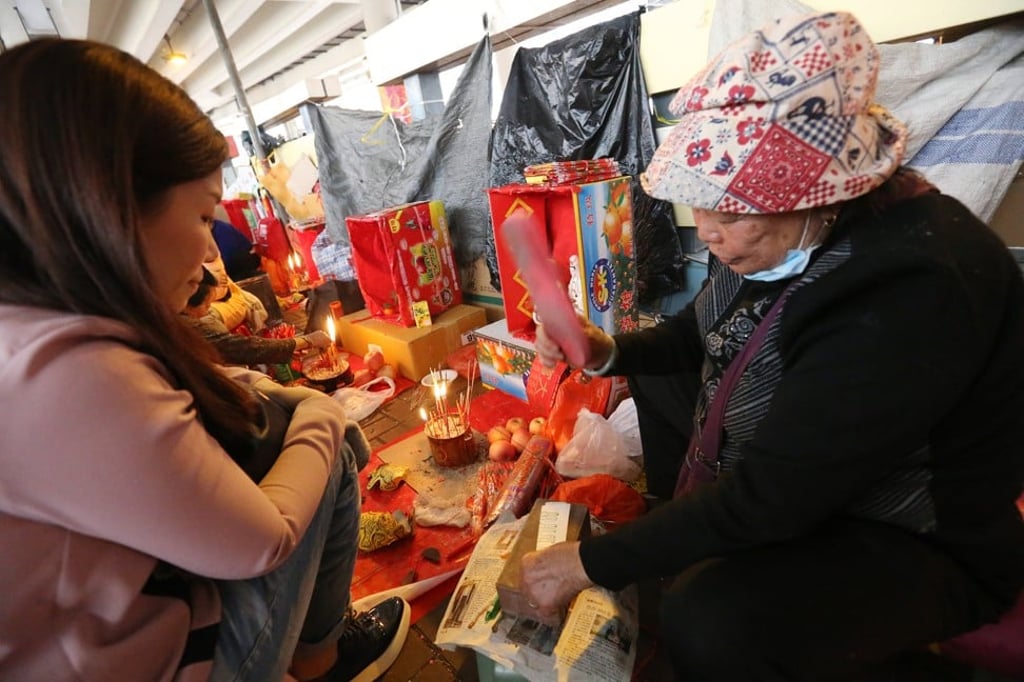
In common with many traditional societies around the world, Chinese “black magic” was historically (though not exclusively) the preserve of old women. Repositories of folk medical knowledge and apparently bottomless reservoirs of animosity, old women – especially childless ones – were reputed to be skilled at casting curses, concocting “vitality” potions and “love charms”, and calling up familiar spirits from “the other world” to do their bidding. For a fee, of course.
While black magic is inherent to popular culture in Hong Kong, the most “powerful” practitioners are found in Southeast Asia. Long-standing spirit-medium traditions exist in various regional cultures. Known as pawang or dukun in Indonesia and Malaysia, these medicine men or women are sought out to achieve certain outcomes. While most spells are benign in intention, thwarting love or business rivals and orchestrating serious illness or even death can be arranged.
Hong Kong Chinese with extended family in Southeast Asia have absorbed highly coloured tales about these practitioners from childhood. For decades, Hong Kong-produced films set in the “south seas” habitually included black magic practitioners, usually a dark-skinned hag. These films stoked superstitious fears about black magic that have crossed over in Hong Kong Chinese society into prejudiced suspicions about Southeast Asians.
Every so often, female domestic workers from Southeast Asia – typically Indonesians – are prosecuted in Hong Kong for putting menstrual blood, urine, faeces and other bodily fluids into their employer’s food. Whether this is a “weapons of the weak” form of revenge for real or perceived ill-treatment, or to cast a spell, is open to interpretation.