ReflectionsNo good can come when a leader neglects their duty, whether in Hong Kong or imperial China
- For almost 30 years in the Ming dynasty, the Chinese government was almost brought to a standstill
- An absent emperor was behind the deadlock and his misrule hastened the demise of the once prosperous era

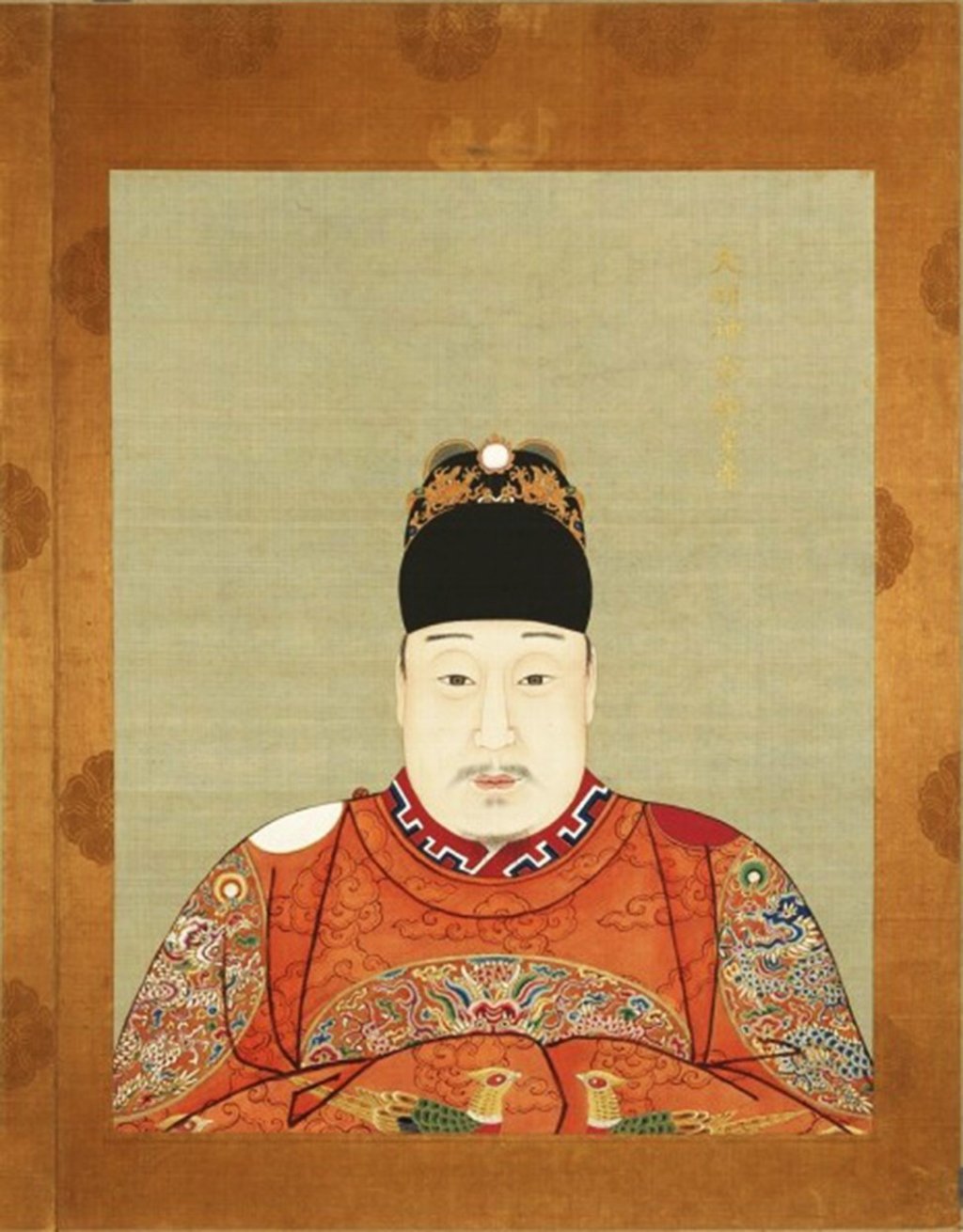
For almost 30 years during the Ming dynasty, between the late 16th and early 17th centuries, the Chinese government was almost brought to a standstill because the emperor refused to show himself at court. Known as the “political neglect of the Wanli era”, the period saw the administration running on autopilot, often with ruinous outcomes, because the person who was supposed to make all the important decisions decided to secrete himself in his palace and cut off almost all communications with members of government.
The Wanli Emperor, Zhu Yijun, was enthroned aged nine as the 14th emperor of the Ming dynasty, in 1572. Assisted by his mother, Empress Dowager Li, and his tutor Zhang Juzheng, the first decade or so of his reign saw a brief revival of the fortunes of the dynasty, which was in a state of fatigue 200 years after its founding. But things soon went south after Zhang died, in 1582, and the now-adult emperor took over the reins of government.
In 1586, the emperor started skipping his daily audiences with ministers and then from 1589, he inexplicably absented himself altogether until one day in 1615, when he finally, briefly, showed up at the main audience hall before his ministers, many of whom were seeing the emperor for the first time. During those 26 years of political neglect, it was recorded that the emperor did not even step outside the gates of his palace.
Given that emperors of the Ming dynasty wielded enormous executive powers compared to those in previous dynasties, an absent emperor meant that many decisions could not be made efficiently, if at all. The Wanli Emperor still ruled on important matters occasionally by decree or proxy, but because of the institutionalised deference to the throne, honed to an extreme degree in the Ming, many branches of the administration became dysfunctional or even shut down.