Language MattersWith lasers in the spotlight in Hong Kong protests, a look at the origin of the word
- The word is in fact an acronym, for ‘light amplification by stimulated emission of radiation’
- Lasers are used in barcode scanners, CD players, the harbourfront light show and, now, by protesters
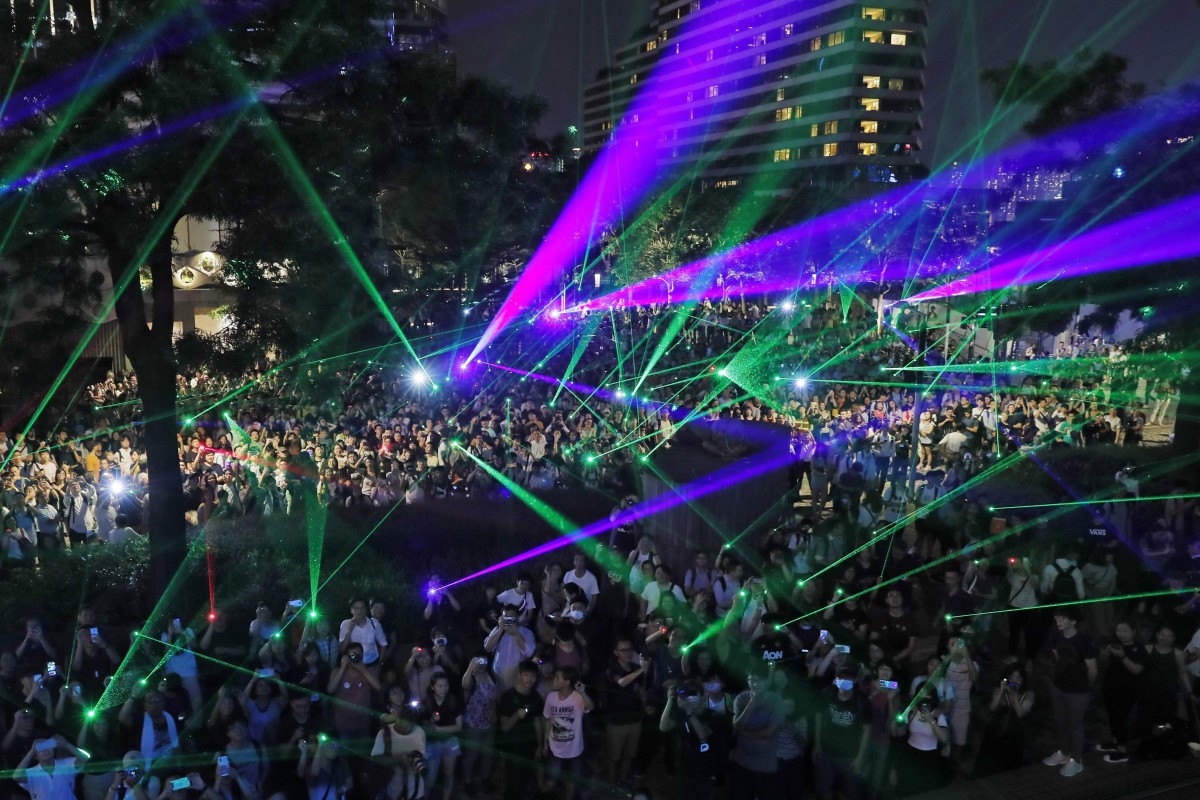
Lasers have become ubiquitous – they are used in bar-code scanners, CD players, for the Hong Kong harbourfront evening light show, and by eye surgeons, amateur stargazers and, more recently, protesters.
Before the 20th century, the word “laser” referred to something completely different: the gum resin of the now-extinct silphium plant, which was used as a medicine and in ancient Mediterranean cooking.
The more familiar “laser” – a device that generates an intense, controlled, narrow beam of monochromatic light – is, in fact, an acronym coined in 1960 for “light amplification by stimulated emission of radiation”.
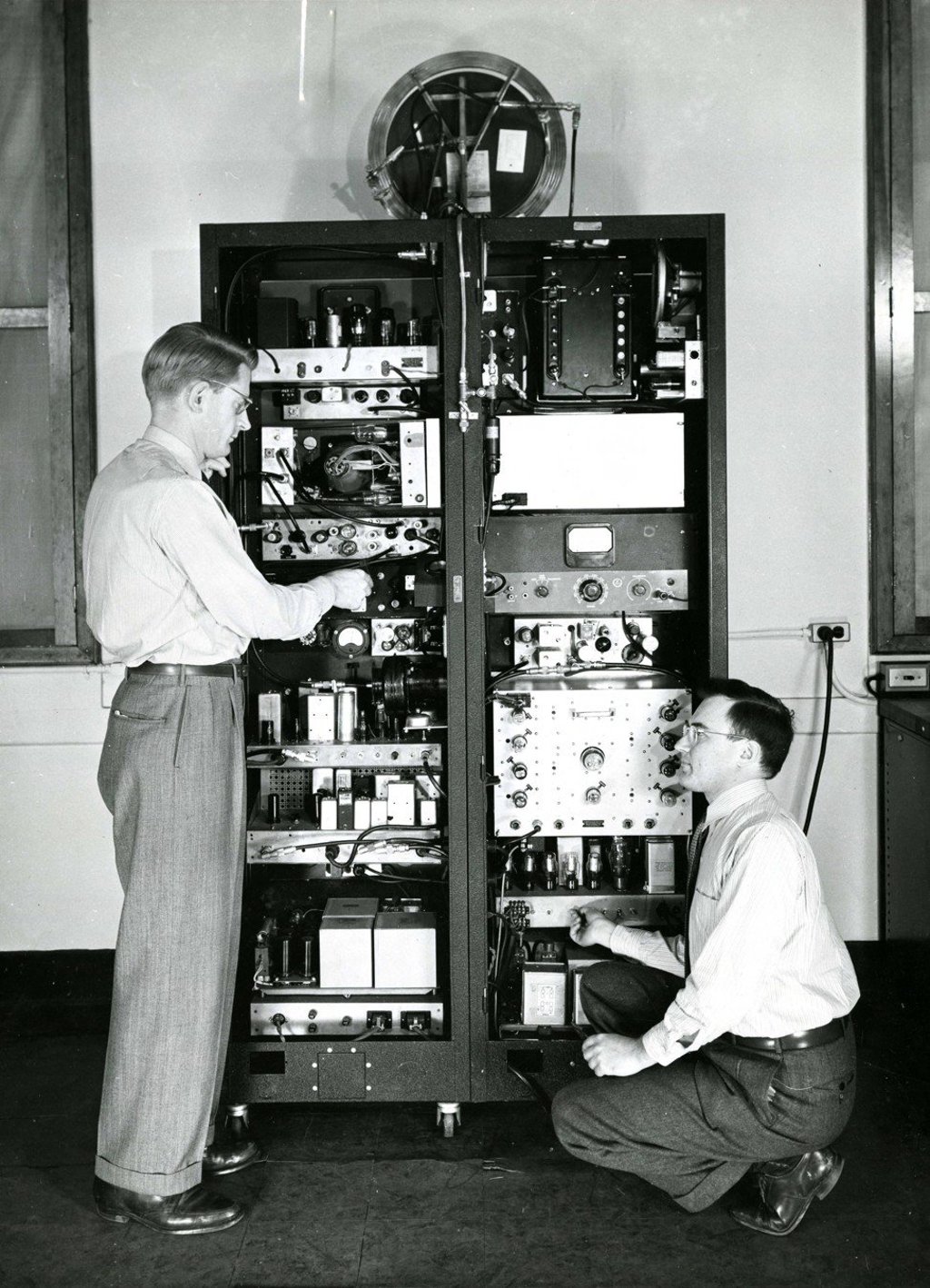
The word was inspired by a similar acronym, “maser”, which stands for “microwave amplification by stimulated emission of radiation” and was coined in 1955. Built in 1953, the forerunner of lasers is a device that generates or amplifies electromagnetic radiation, especially microwaves, of a coherent wavelength by stimulated emission. In fact, the laser was initially called “the optical maser”, since it generated radiation at visible wavelengths. Masers are used as a timekeeping device in atomic clocks, and as low-noise microwave amplifiers in radio telescopes and deep-space spacecraft-communication ground stations.
Laser itself inspired another acronym: “taser”. A handheld device designed to immobilise a person by delivering an electric shock, the taser was developed in the 1970s by Nasa researcher Jack Cover. Both the device and the name were inspired by a fictional electric rifle used in a favourite science-fiction adventure novel from Cover’s youth, Tom Swift and His Electric Rifle (1911), giving us Taser (with an “A” added). The brand name became so synonymous with the devices that it came into general use to refer to all such electroshock weapons. Some 15 years later, the verb “to tase” was created, in reports on the 1991 Rodney King beating by Los Angeles police.