Then & NowArranged marriages in the 21st century: ‘dating agencies’ are the modern matchmakers
The practice might seem like a relic of the past, but it is still fairly common in many parts of the world, including Hong Kong and mainland China
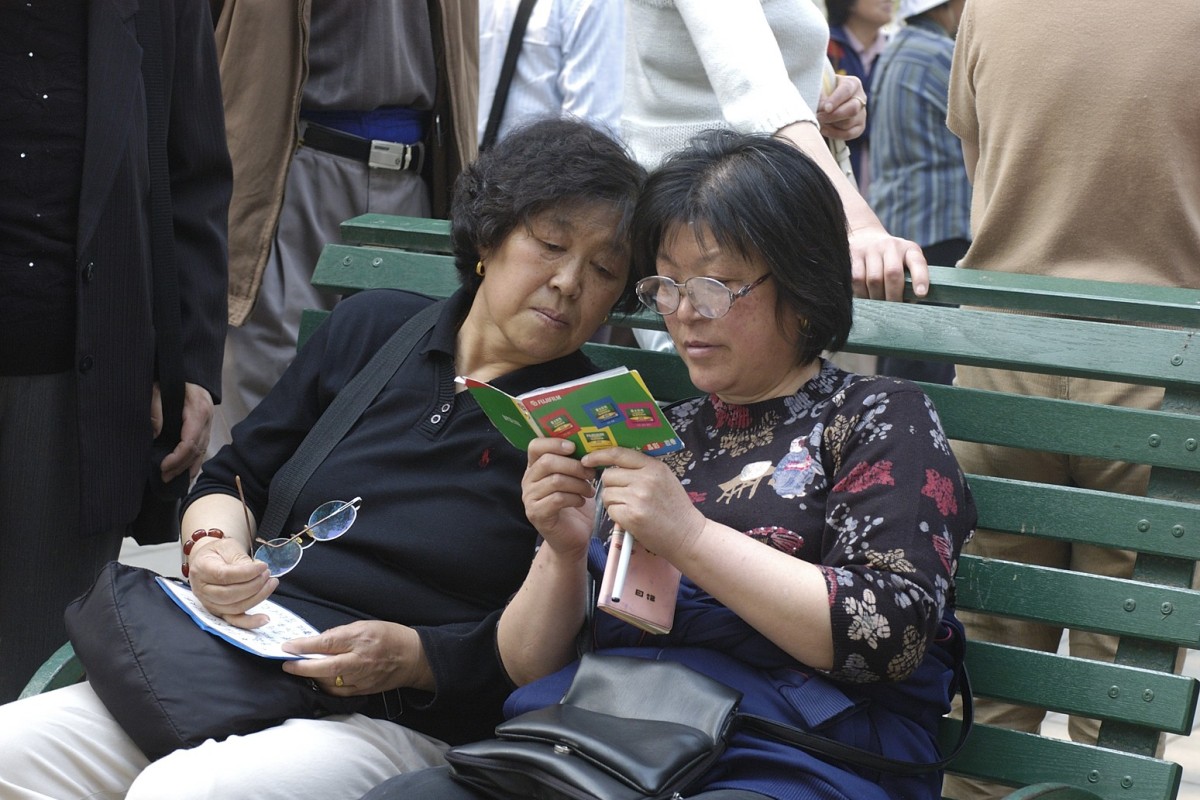
Arranged marriages were once a fact of life in most societies. Hong Kong is no exception, and the practice continues to thrive – and offer employment opportunities for the enterprising – in other guises.
In traditional societies all over the world, the potential for young people to meet suitable marriage partners from outside their immediate family circle was limited. From Spain and Italy to India and China, postpubescent girls were kept home to safeguard their virginity, and allowed out only under close chaperon. Relative seclusion ensured that their marriage prospects remained “untainted” by gossip, and – other than a fleeting glimpse among others at a religious gathering or a wedding party – they were largely unseen.
Exceptions were festivals where the unmarried were permitted to exchange glances and, perhaps, a few words. This was considered sensible as young people whose lives were being arranged at least had some chance to sight a possible intended and give some form of assent – or otherwise.
Most families recognised that forcing two people who clearly could not bear the sight, far less the touch of one another to be together was a recipe for unhappiness. In addition, family, clan and village enmities could be easily caused by a forced marriage.
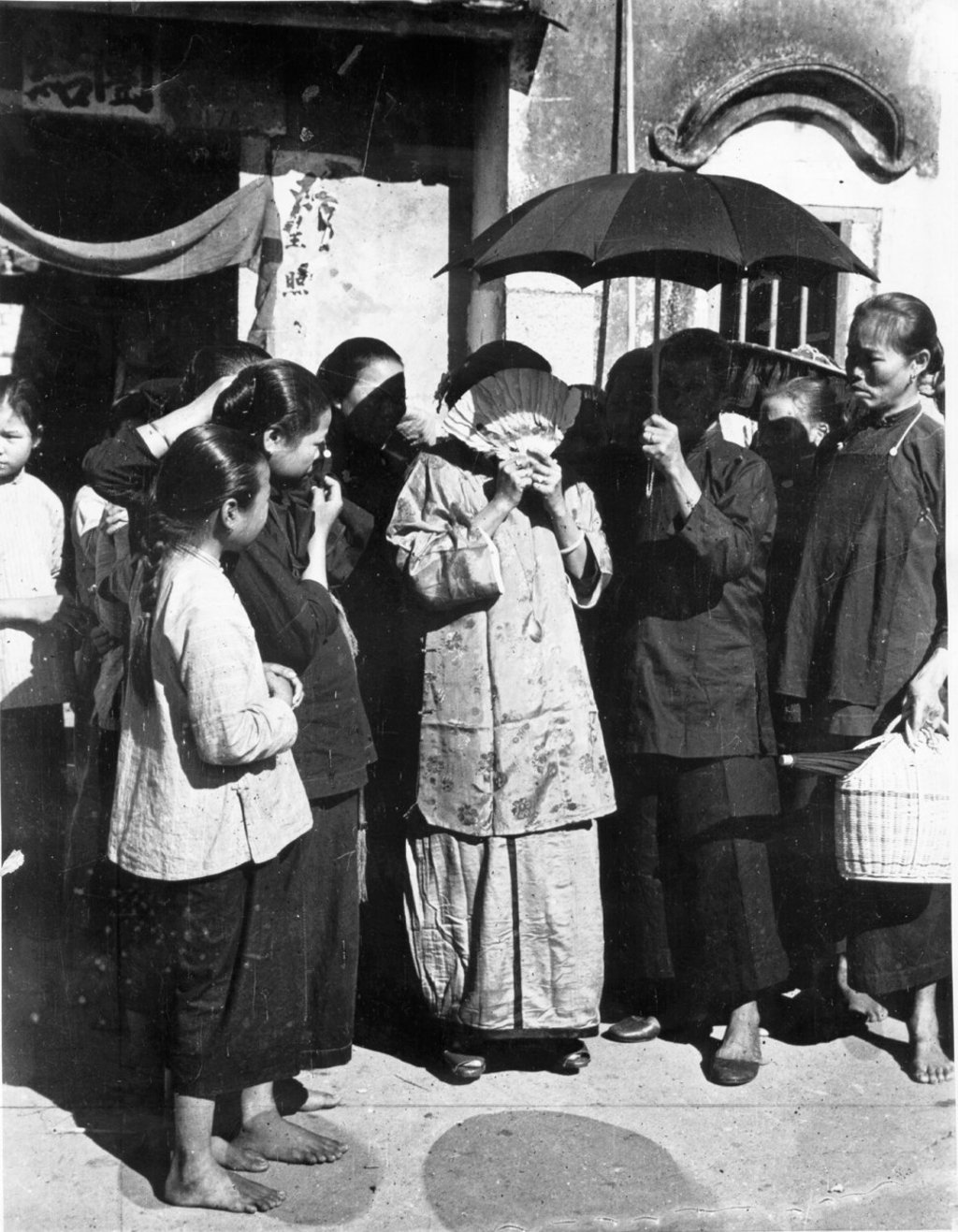
How were these disasters prevented? Neutral, paid intermediaries were the solution, and the role of matchmaker evolved. In most societies, these go-betweens were seen as a necessary evil. The best (or most successful) matchmakers were those who astutely combined their eye for the main chance with considerable gossip-mongering skill. Their profit margin came from being able to play up the positive aspects of each potential match, plausibly play down any reputed negative characteristics and identify and rectify problematic situations before they became significant obstacles.