
Then & NowSpies of Stonecutters Island: the eccentric boffins who ran Hong Kong’s pre-war listening post
Japanese linguist Cyril Wild and Anglo-Irish poet and translator Arthur Cooper helped monitor signal traffic throughout the Pacific from Allied wireless facilities in Hong Kong and Singapore

What was Hong Kong’s main strategic value, both to China and the broader Allied cause in the build-up to war with Japan in the late 1930s? Modern port facilities, which included substantial dry-docks, were one key component; the direct railway link into the Chinese interior from Kowloon was another.
Operations commenced in 1922, almost as soon as the Anglo-Japanese Alliance, formalised in 1902, was discontinued as part of the Washington Conference provisions. Limitations on Japanese naval power agreed at this disarmament conference were intended to contain perceived Japanese territorial and economic ambitions in Asia-Pacific after the end of the first world war. The beginnings of hostility between Japan and the Western powers then dominant in Asia-Pacific (principally Britain, Australia, New Zealand, Canada, the Netherlands, France and the United States), and early preparations for a possible future conflict, date from then.
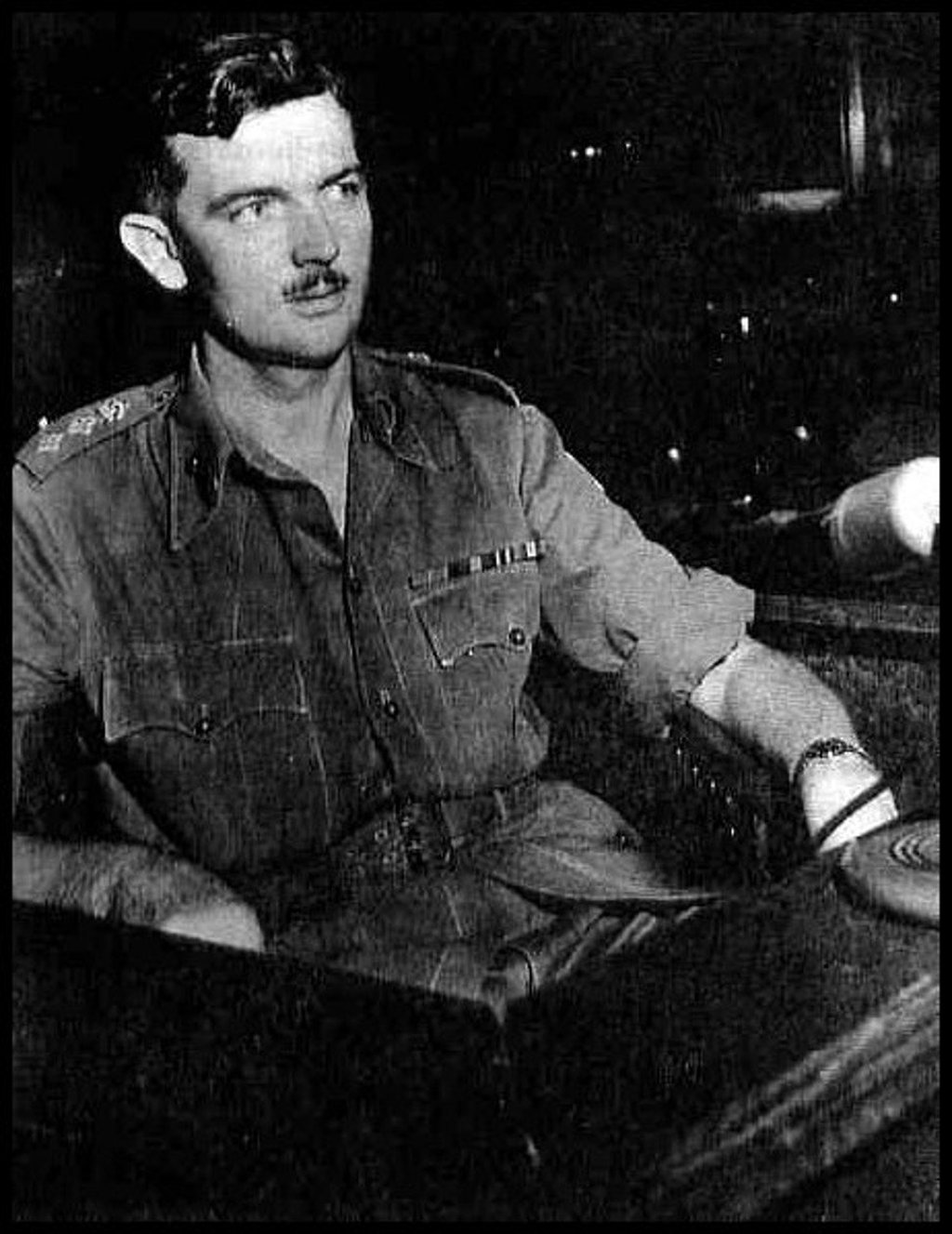
“Intellectual boffins” predominated; many were the same borderline eccentrics that ended up in key positions at Bletchley Park, Britain’s major signal interception location, established in 1938. All held commissions in obscure British Army county units with which, in most cases, the individual had never been regimentally employed. These details helped create the general cover story that so-and-so was a military officer, which would prevent them from being shot outright as a spy should they ever fall into enemy hands.