Then & NowWhy homes in Asia maintain a strict shoes-off rule, often opting for slippers instead
- Although largely a matter of cleanliness, you wouldn’t want to track ‘bad luck’ into your house, would you?
- Plus, how Hong Kong’s preferred flooring evolved from imported tropical timber to fitted carpets

Across Asia, most private homes maintain a firm shoes-off rule. In Hong Kong, encountering a towering mound of assorted footwear outside a house party is commonplace. Shoe racks are generally found at the entrance, or outside it, rather than in bedroom wardrobes, as in other parts of the world.
Protecting the cleanliness of interior floors is a legacy from times – not that long ago – when roads and footpaths were filthy. Chinese superstitions enforce the rule: wearing outdoor shoes inside is believed to introduce “bad luck”, a metaphor for germs, into the home. Going barefoot indoors is also unusual; slippers or rubber sandals being worn instead.
As solid timber use declined, varnished parquet floors became a Hong Kong domestic staple. Originally introduced to give a stylish timber effect to otherwise utilitarian concrete slab floors in post-war apartment buildings, this material has become so commonplace to almost evade notice.
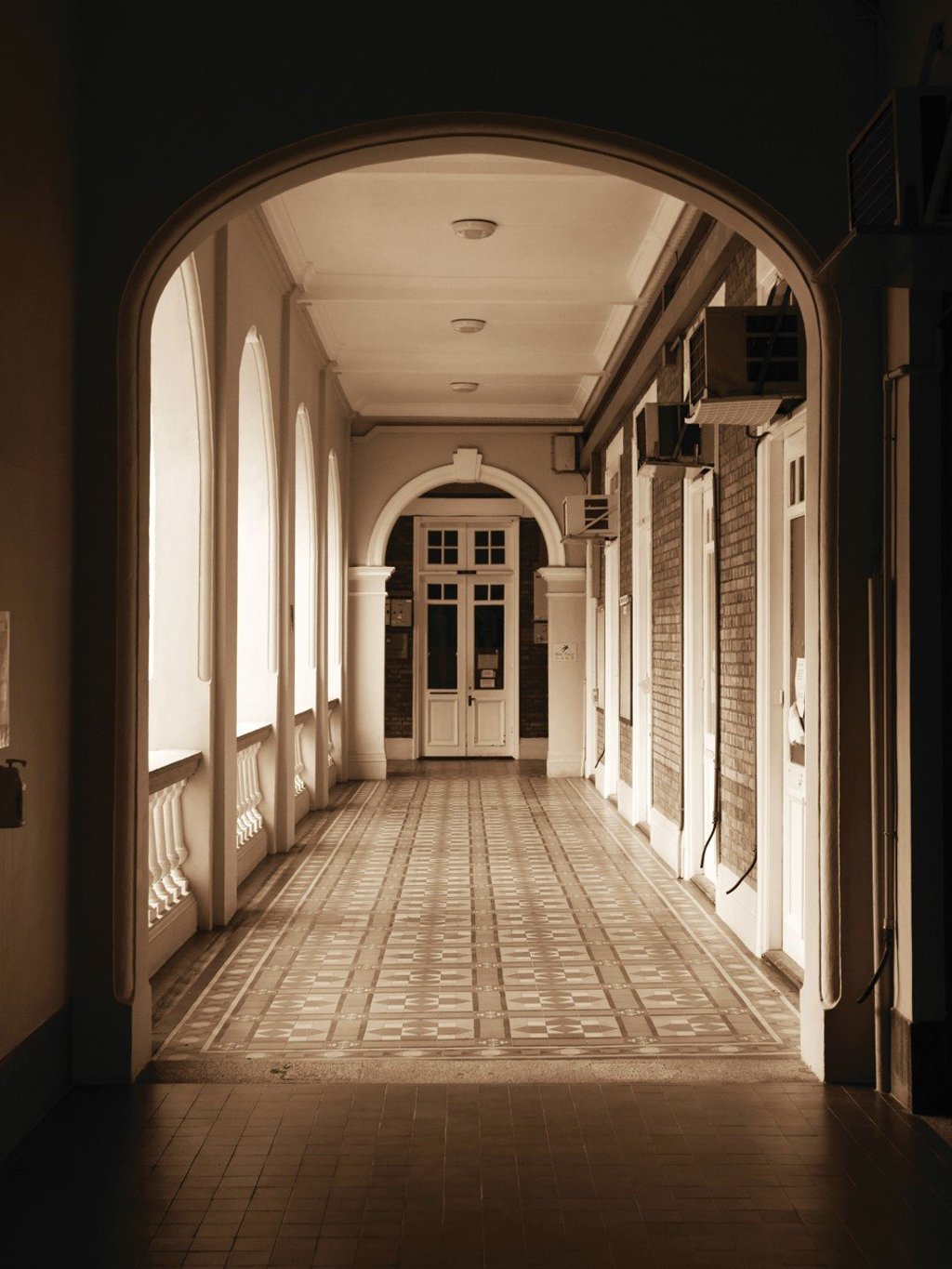
Maintaining coolness, as much as aesthetic considerations, drove many floor-covering considerations. From the late 19th century to the 1930s, English patterned encaustic floor tiles were exported all over the tropics.