
Then & NowWhy colourful, rackety Macau warranted its own chapter in old travel guides to Hong Kong
So close, so similar, and yet so beguilingly different. Hong Kong’s neighbour looked like the British colony but had its own social issues, including slavery in the form of the ‘coolie trade’

This contrast became especially stark as Hong Kong took off economically in the late 60s and formerly commonplace architectural styles, with shaded balconies, plasterwork columns and covered arcades along the streets, once unexceptional in both territories, were redeveloped into near-extinction in Hong Kong. Macau became characterised, at least in certain areas, as looking like old Hong Kong. Likewise, as widespread poverty gradually disappeared from Hong Kong, deprivation remained immediately noticeable in Macau.
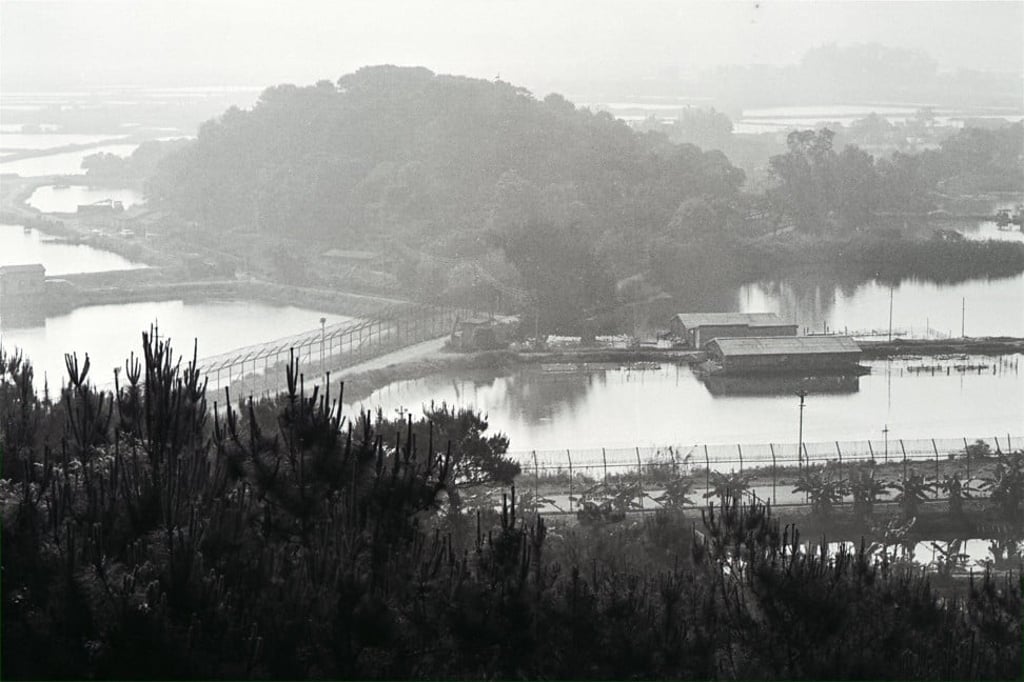
Virtually every international visitor to Hong Kong also visited Macau, even if only for a few hours. From the early 50s until the early 80s, when the mainland was largely off-limits, tourists who wanted a glimpse into otherwise forbidden “Red China” had to be satisfied with peering across the barrier gate or Inner Harbour in Macau, or from the Lok Ma Chau lookout in Hong Kong.
Observations about Macau’s history, culture and society found within these breakout chapters ranged from serious secondary-source reading (such as solid bibliographies) to a quick historical rehash from tourist guide books, supplemented by fragmentary information and glib “colour” provided by local tour guides.
These insights depended on who was doing the guiding, and what kind of sights and experiences they judged their punters wanted. Macau chapters usually include references to a local “fixer”, who deftly attached himself – the guide was invariably a he – to a recent arrival near the ferry pier, a hotel, or in some other likely pickup spot, and offered his services for a consideration. For some of these freelancers, anything went; being all things to all people and accommodating any need or desire was part of their stock-in-trade.