
Then & NowHow communication has changed, from Pompeii graffiti to personal notes to social media
- With Wi-fi now instantly connecting the planet, we look back at the various ways mankind has sought to converse
- In the 1920s, airmail services shrunk the sending time for written correspondence to days, rather than weeks

And, of course, once the online equivalent of a belch has been uttered, both echo and stench live on for evermore in cyberspace. Once out there, these personal clues remain subject to multiple levels of official and commercial collection, surveillance and interpretation that an earlier generation would have found inconceivable.
As Wi-fi connections spread all over the world, instant electronic communication is taken for granted. Stories of children looking at a typewriter and asking where the screen is, or handling an analogue telephone as though it was some incomprehensible Stone Age artefact, are common.
But crabby-sounding Luddite tendencies to one side – and I’ll admit to those, when it comes to social media – how did one keep in touch in the past, especially with friends and business connections on the other side of the world? And how do these earlier forms of communication echo in how we live today?
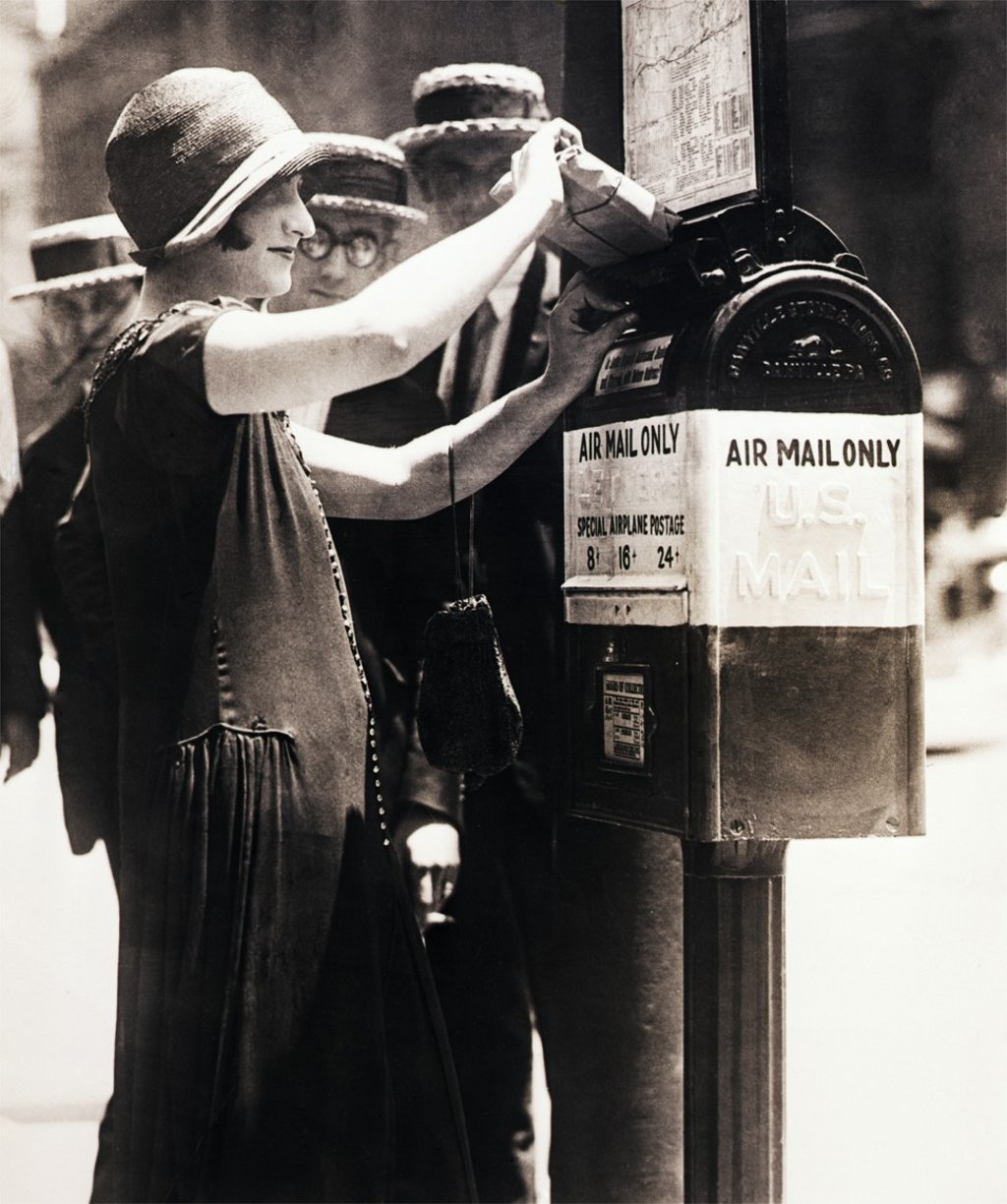
Personal notes were the usual means of communication, and those that have somehow survived, tucked away in bundles of correspondence, offer intriguing insights into everyday lives in earlier times. Much like graffiti entombed on the walls of Pompeii, in southern Italy, when Vesuvius erupted in AD79, which contains the first century equivalent of “Mandy is a skank” or “For a Good Time Ring …”, snippets of gossipy ephemera serve to remind us that human beings have remained basically the same in the most fundamental respects for millennia.