
ReflectionsOur society is fractured, but imperial Chinese history shows we are not the first to be divided
- Hong Kong’s ‘yellow and blue’ economy exposes a split in society that has widened in recent months
- The Tang dynasty was weakened by racially motivated violence between Han Chinese and other ethnic groups

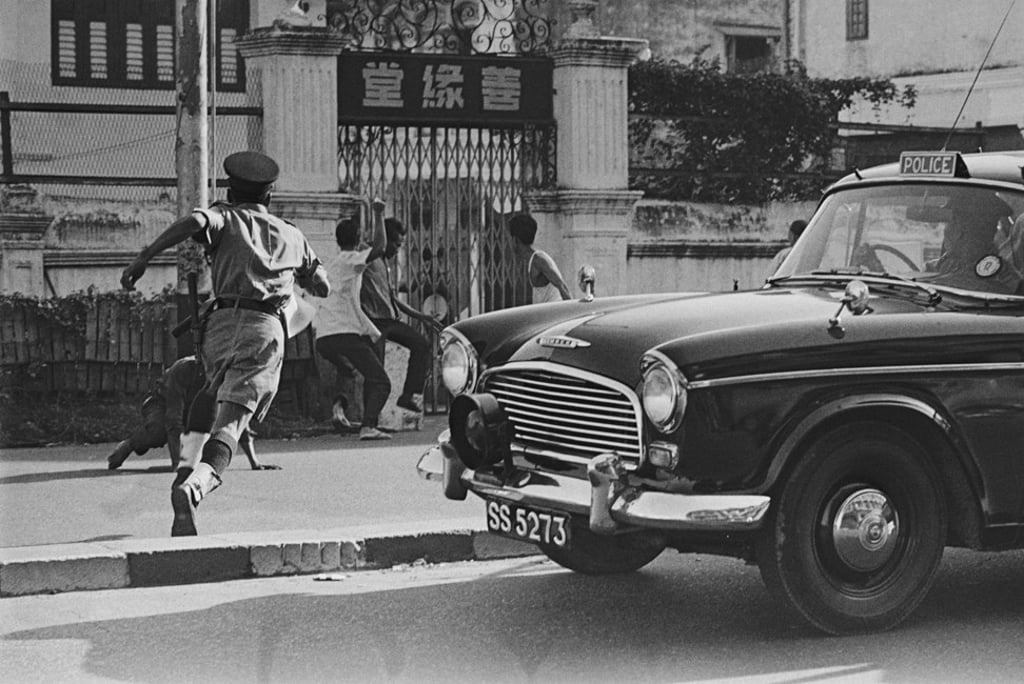
My mother was not in Singapore during the Maria Hertogh riots in 1950, which were stoked by religious differences, but she lived through the race riots of 1964 and 1969. Living in the suburbs, she did not encounter any violence, which was concentrated in downtown Singapore, but one of her brothers was attacked by Malay friends who he had been drinking and hanging out with a few days before. Fortunately, another brother came out of a shop with a heavy stick and beat the assailants off. A total of 45 people died and hundreds were injured in all three incidents.
There were multiple cases of racially motivated violence in China’s ancient and recent past. The An Lushan Rebellion, which raged across northern China from 755 to 763, caused massive destruction and heavy casualties. Many historians have blamed the eight years of civil war and its concomitant economic degradation and fatalities for the decline of the Tang dynasty. The perpetrators of the rebellion were An Lushan, a half-Sogdian and half-Turk, and Shi Siming, a Sogdian. Given their non-Han Chinese ancestries, there was an upsurge of anti-foreign sentiment among the Han Chinese during the rebellion and for a long time afterwards.
Despite more than a century of peaceful coexistence between the Han Chinese and the ethnic groups in their midst, the “barbarians” suddenly became targets of persecution both by the state and the people. There were even mass killings of non-Han peoples in China, in particular those with central Asian antecedents.
The latter, most of whom had been thoroughly Sinicised after generations of intermarriages with the Chinese, responded by changing their family names (members of the prominent Sogdian An clan, for instance, changed their surname to Li) and fabricating Han ancestries to escape their neighbours’ wrath. Many migrated to three frontier defence garrisons located in present-day Hebei and northern Shandong, where the military commissioners, former subordinates of An Lushan and Shi Siming who had surrendered, were more welcoming.