
Then & NowHow Hong Kong’s glazed enamelware fell in and out of fashion and is currently making a comeback
- Cheap and durable, glazed enamelware was once a sizeable industry in the city
- Pushed out by materials like Pyrex in 1950s, it is now enjoying a modest revival

Nostalgia for the “good old days” can be astutely packaged like any other commodity.Previously disdained items such as thick cups used to serve milk tea, glass-lined Thermos flasks and basketry of various kinds have become sought-after home decor items. As a welcome side effect of this gentrification, things that seemed destined for extinction due to market forces have enjoyed a modest revival. Glazed enamel kitchenware is one example.
Hong Kong had a sizeable enamelware industry from the 1920s, greatly aided by tariff preferences within the British Empire. These preferences, formalised in the Ottawa agreements, in 1932, meant Hong Kong manufacturers could enter other imperial markets at a profitable discount.
To meet rising demand, glazed enamelware factories opened in emergent industrial districts such as Sham Shui Po. In the immediate post-war years, the largest local manufacturer was Union Ceramic Industries, popularly known as Yat Sam, but there were many others.
Pieces were often decorated with stencilled patterns, mostly brightly coloured flowers such as peonies and sunflowers, or auspicious Chinese motifs like phoenixes. The “double happiness” symbol was popular on trays, teacups and teapots for wedding ceremonies, where the new couple ceremonially offered tea to their parents and older relatives.
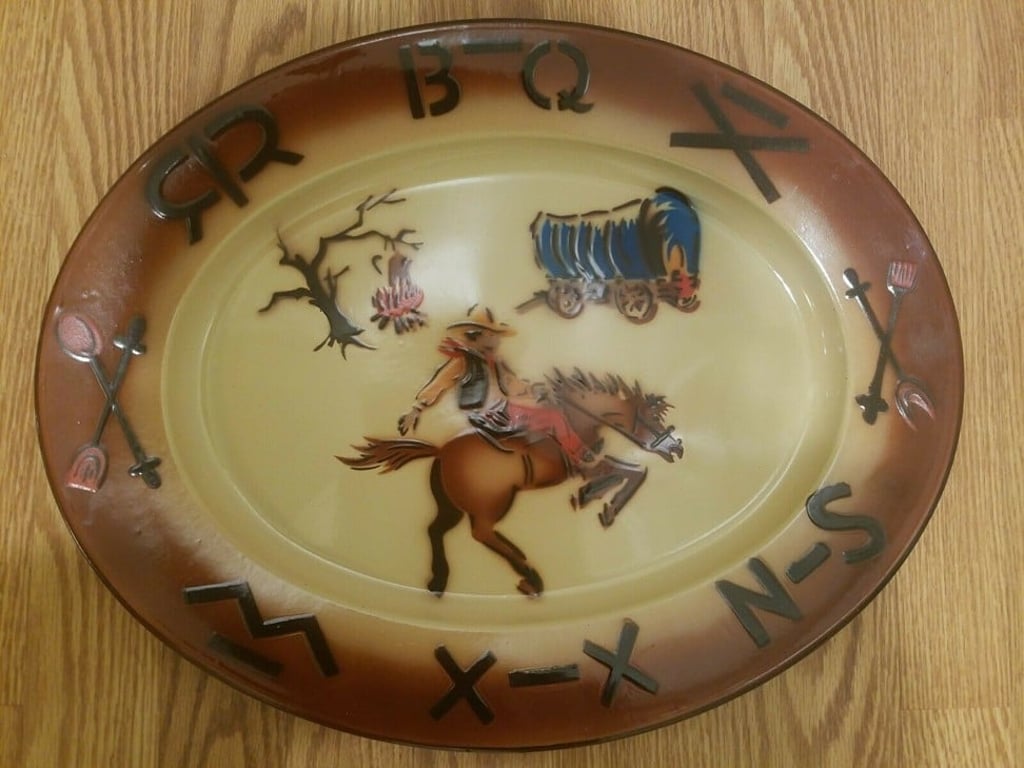
Identical metal press jigs and dies would be used to make items of the same shapes and sizes, but colours and patterns would vary, depending on the intended export market; those destined for overseas Chinese markets – especially in Southeast Asia – were invariably brightly decorated.