
Language MattersHow Covid-19 is changing the definition of ‘home-schooling’ – we are all doing it now
- With so many schools closed, the shift to learning at home is redefining our understanding of the term
- Originally the preserve of the elite, it was common practice before school attendance became compulsory
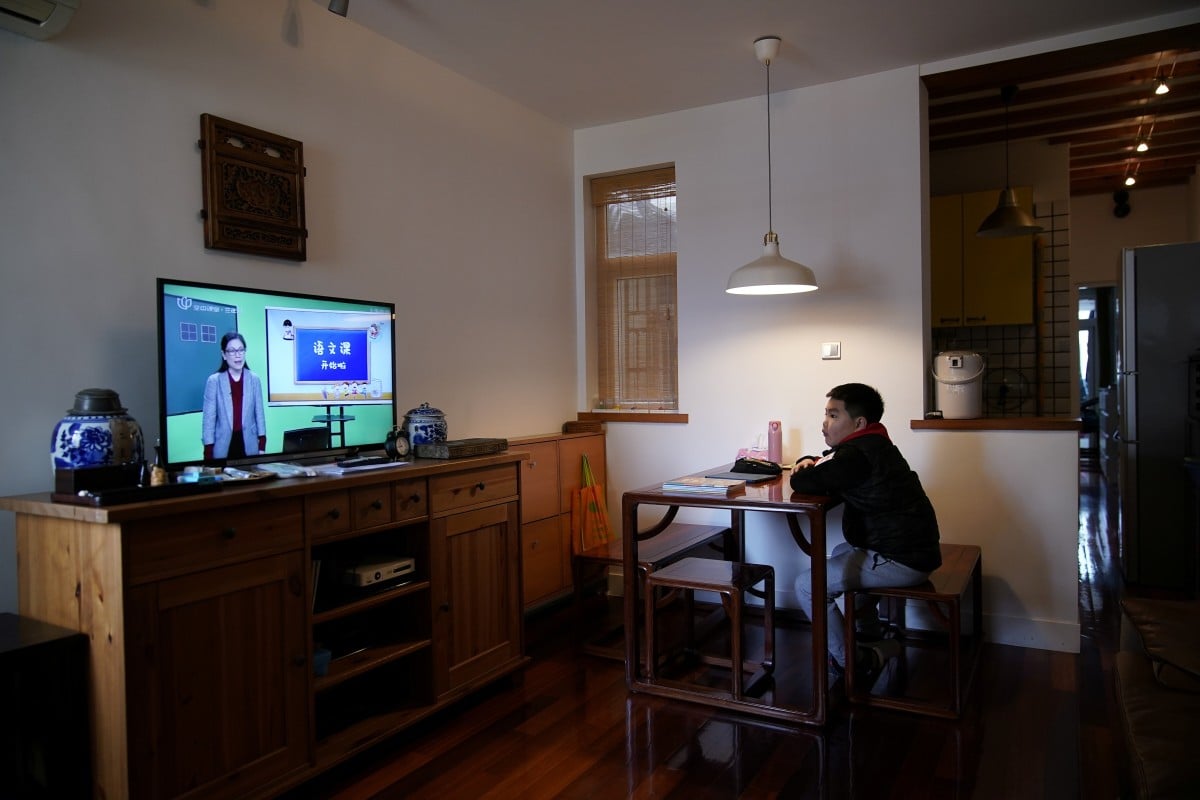
Teaching one’s children at home has been around since antiquity, when school as we know it did not exist and education, the preserve of the rich elite, was through personal lessons from fathers or private tutors.
However, the term “home school” – a school in a private home, or educating one’s own children at home – sees its earliest documentation in a 1770 advertisement, and through the 1800s in school constitutions and accounts of the 19th century American frontier experience. In the 1850 novel Margaret Percival in America, for example, “Margaret saw that she had interrupted a sort of home school. She begged them to go on, saying that she was used to that duty herself, at home.”
Such practice was fairly common in many countries until the passage of compulsory school attendance laws, which, in the United States and Britain, began in the mid- to late 19th century.
At that point, the term “home-schooling” appears, defining more clearly the action or state of teaching children at home. Early documentation underscores how this mode of education was now viewed. An 1848 article reports, “We have struck a blow at that home-schooling, under which for so many hundred years Englishmen have been bred.”