ReflectionsThink lockdown is bad? In imperial China, curfews were not only common but accepted
For centuries, cities would bang a drum at night and another in the morning to warn their citizens to stay inside. Most did so gladly, as it was believed that those who moved through the darkness were attending to illegal activities

In imperial China, nightly curfews were par for the course in urban settlements. According to the laws of the Tang dynasty (618–907), city and town authorities beat the “gate-closing drum” at nightfall to signal the start of the curfew. At around four in the morning, the “gate-opening drum” would be struck. Anyone who ventured out into the streets between the sounding of the two drums would be flogged.
The statutes of the Ming dynasty (1368–1644) were more specific. The dusk drum would be struck at 8pm and the dawn bell at 4am. Those who were caught outdoors between 9pm and 3am would be flogged 40 times (50 in the capital), while those who breached the curfew within an hour at both ends would be given a lesser punishment of 30 strokes of the wooden staff (40 in the capital).
To ensure that people stayed indoors, guards were stationed at locations along major thoroughfares, where barricaded sentry points would be set up every evening. Only officials on government business or those with medical and other emergencies would be allowed to pass.
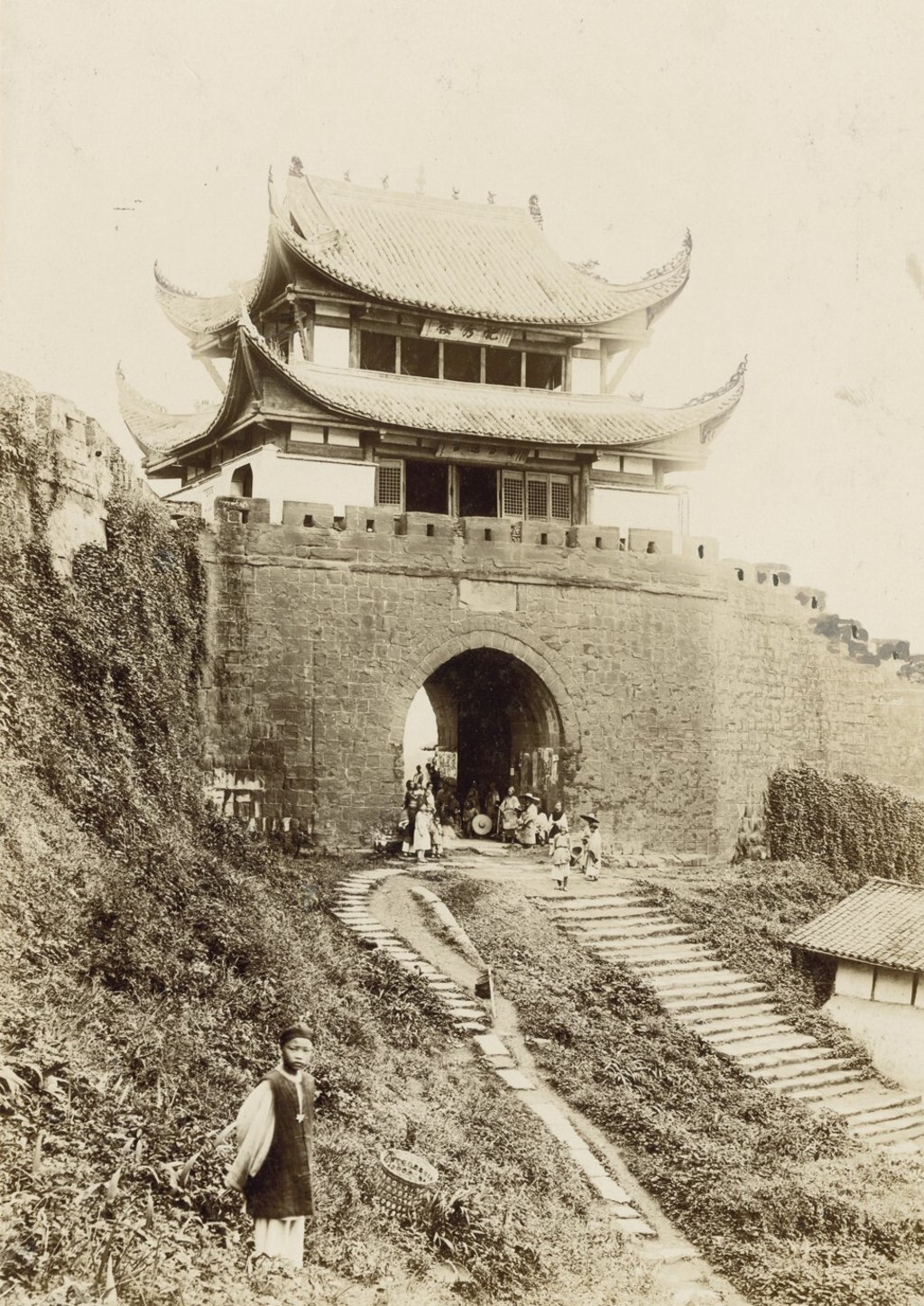
These nocturnal lockdowns did not do much to inconvenience people’s lives back then. Like anywhere else in the pre-industrialised world before the advent of electrical lighting, streets were dark in China. Most activities ceased before nightfall. It was assumed that law-abiding and respectable people slept at night, and those who went about in the dark for no exigent reason were probably engaged in illicit activities.