
Then & NowHow Naafi canteens kept Hong Kong’s British military in beer, tea and brown sauce
Navy, Army and Air Force Institutes facilities provided a connection to a familiar way of life for British military personnel stationed in Hong Kong

In the colony’s earliest years, only limited recreational and welfare facilities existed for the British garrison. With little available beyond grog shops and brothels, negative consequences were inevitable. If the general public – in Hong Kong or elsewhere – wanted off-duty servicemen to be better behaved, then affordable, accessible amenities were essential.
From the 1890s, various social uplift provisions appeared in tandem with general improvements in British public life, from compulsory basic education to civic health advancements and tentative moves towards social welfare.
Part of this progress was the establishment of the Naafi (an acronym for Navy, Army and Air Force Institutes) in 1920. By the late 1920s, Naafi facilities, such as mobile and fixed-location canteens, were found in garrisons from the West Indies to Singapore and Hong Kong.
Alexander Grantham, Hong Kong’s governor from 1947 to 57, made some observations about the Naafi in the early 50s in his memoir Via Ports : From Hong Kong to Hong Kong (1965).
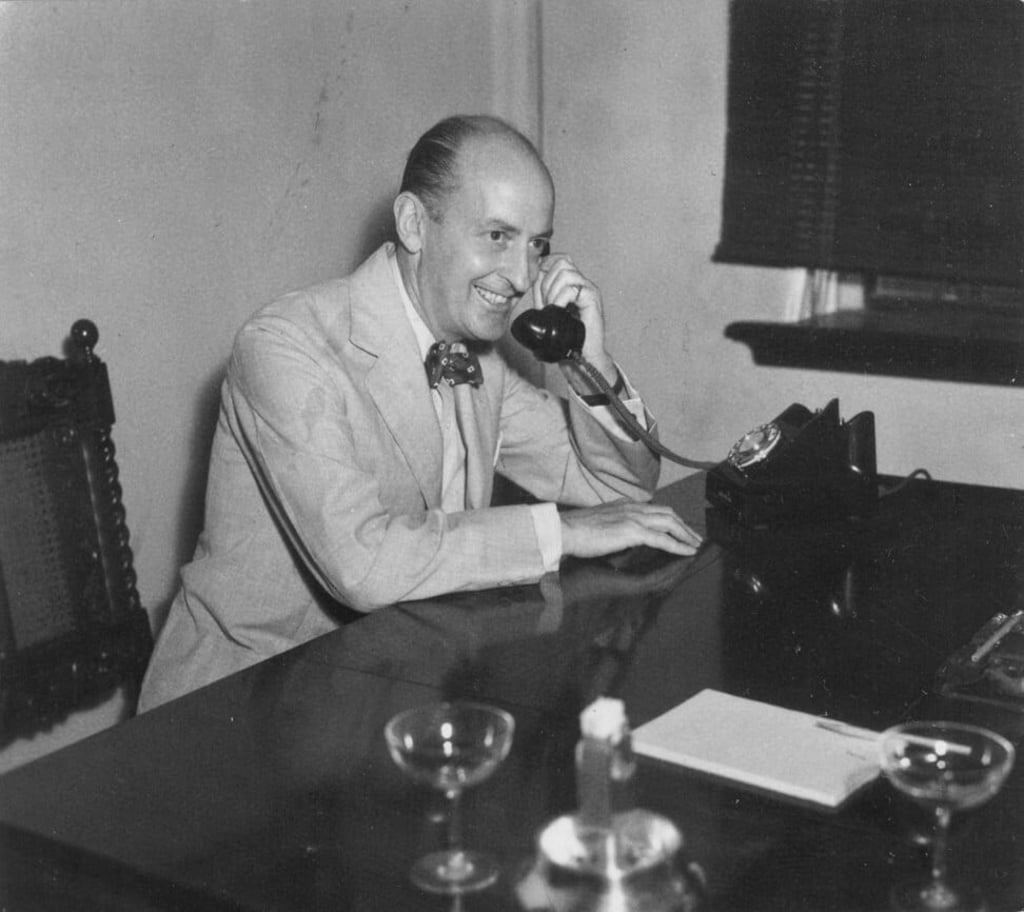
“Social class and income disparity – as ever – affected how military personnel stationed in Hong Kong were able to integrate into the local community – or not. The officers presented little or no difficulty, since it was comparatively easy for them to meet others of their own kind, either European or English-speaking Chinese. The problem was the other ranks; young soldiers thousands of miles from home in a strange land with, to begin with, poor accommodation and inadequate recreational and social facilities,” he wrote.
“At a N.A.A.F.I. canteen, I asked a young soldier if the N.A.A.F.I. did them all right. Somewhat begrudgingly, he admitted that they did; his only complaint being that they did not remove the bones from the kippers!