
Then & NowMainlandisation? Before the Communist era, Hong Kong and China societies were the same in all but government
The controversial term has come to mean an erosion of Hong Kong freedoms but not so long ago, the two cultures would have been indistinguishable

“Mainlandisation” is a controversial term that has gained traction in Hong Kong since around 2012. Initially used by diehard “50 years no change” slogan chanters, who vocally resisted any real or perceived cross-boundary encroachment into local affairs after the 1997 handover, the expression is now shorthand for the many ways – some broadly positive, others insidiously less so – in which, with each passing year, Hong Kong more closely resembles the rest of the country.
At its core, mainlandisation implies that Hong Kong’s people, culture, society and lifestyle, and that of the country of which it is constitutionally an inalienable sovereign territory – China – are fundamentally, near-irreconcilably different.
At least on the surface, this remains an accurate reflection of reality. Contemporary China is an authoritarian one-party state run on Leninist lines, with all the less-attractive aspects that this description implies. Hong Kong, meanwhile, at least pretends to some semblance of cultural cosmopolitanism, sings along with the chorus for most modern international social norms, and maintains a variety of election processes, some more meaningful than others. Most critically, Hong Kong maintains – at least for now – an independent, common law judicial system.
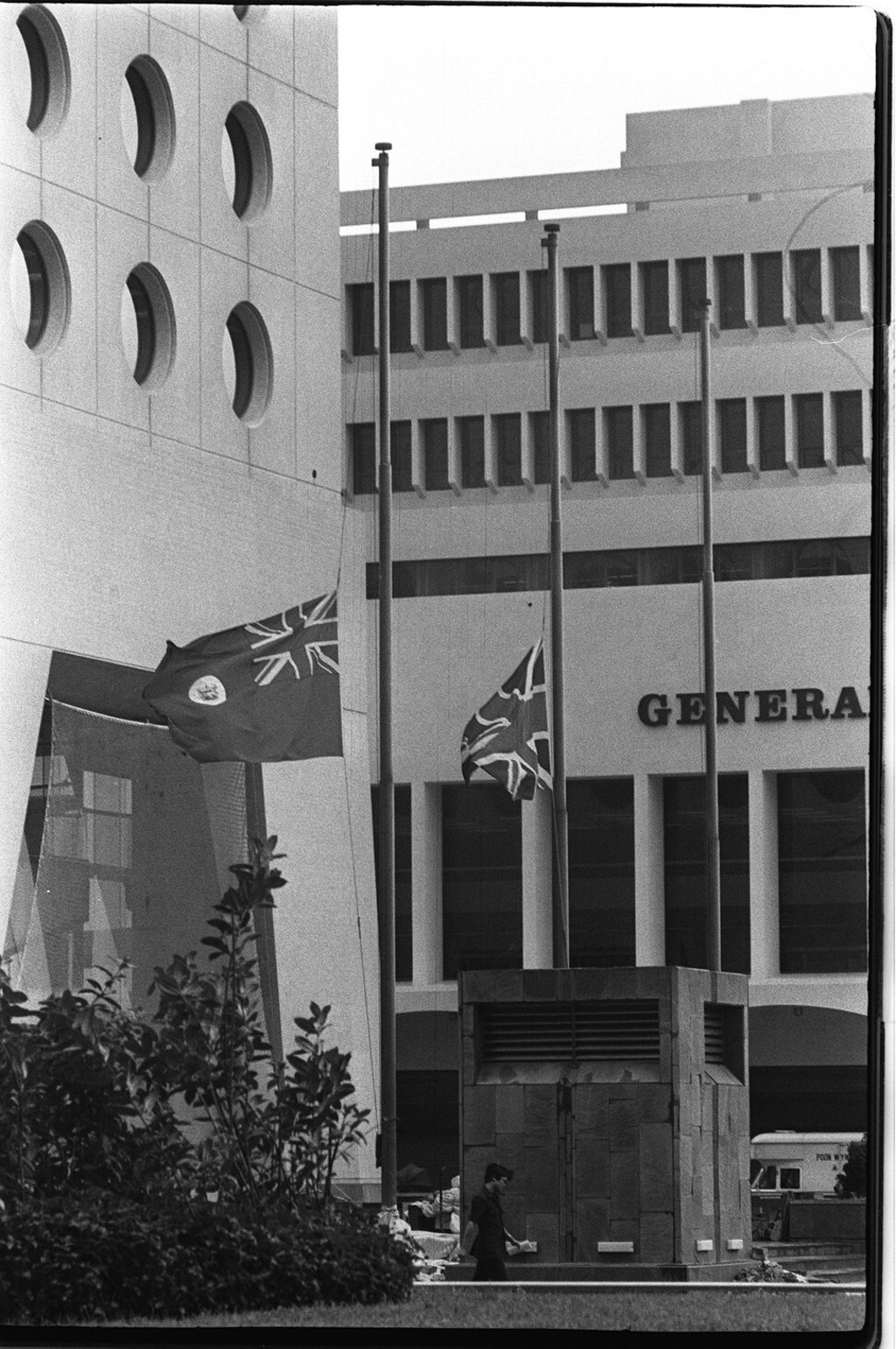
By the mid-1950s, as what became Communist China solidified, the gap between how life was lived elsewhere in China and in Hong Kong broadened into a chasm. In particular, the introduction of ubiquitous police state apparatus across China, which built upon well-entrenched Nationalist foundations, meant that centralised surveillance of the general population was more prevalent than at any previous time.