ReflectionsHow men could be married to four wives at once and make it work - Stanley Ho did
- Taking concubines was common in China, Hong Kong and Singapore until the mid-20th century. The children of principal and minor wives had a different status
- By convention a concubine’s son only could be promoted to the top rank if the principal wife had no sons, but men bent the rules for the wife they loved most
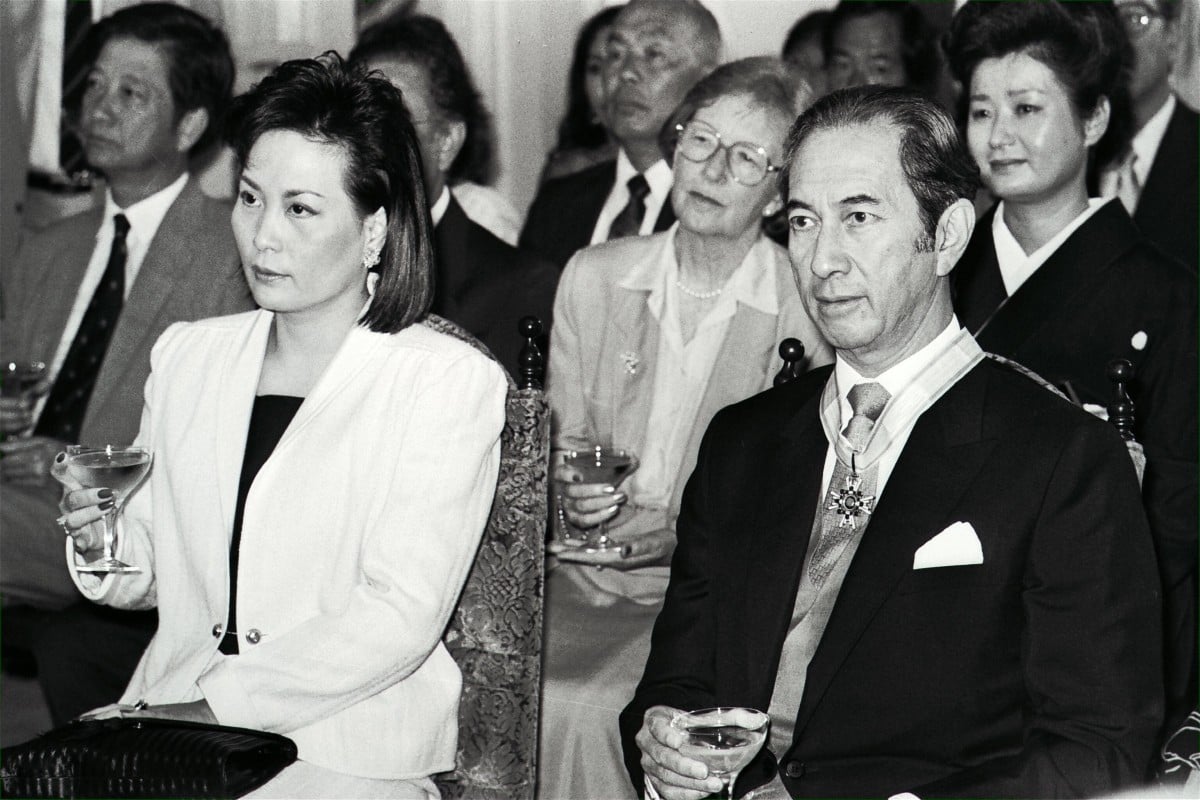
Like Ho, my maternal grandfather had four “co-wives”, but unlike Ho, he wasn’t a billionaire. He wasn’t even particularly well off. He came into a bit of money from his father, a Chinese sugar cane plantation worker in Cuba made good, and opened a tailor’s shop on North Bridge Road, in Singapore.
In time, he took four wives and installed all four households under one roof. According to my mother, a child of wife No 2, relations were often fractious, but by and large the wives and their 17 children got along.
Polygamy was practised in China until the middle of the 20th century. To regulate family life and protect the legal rights of the individuals involved, the ancient Chinese devised the dishu system to govern polygamous arrangements.
A man had a principal wife (diqi), whom he wed in a formal ceremony with multiple witnesses. Any other woman he might marry, before or after his principal wife, was a secondary wife or concubine (shuqi), who would usually be introduced into the household with little or no fanfare.