ReflectionsChina is a professional when it comes to political word play, but the US is catching up
- The refusal to acknowledge official titles serves to deny authorities their legitimacy, as China well knows
- But it is not purely a Chinese pursuit – the Trump administration has started to do the same

Politicians in the United States have begun to refer to China’s head of state Xi Jinping as “secretary general of the Communist Party of China” instead of “president”, the usual English translation of the Chinese title guojia zhuxi (“state chairman”). Titles and names are one of the means that regimes, offices and individuals use to gain recognition from others. The refusal to acknowledge and use the self-designated appellations of a person or group is an oft-employed tactic to deny them their legitimacy.
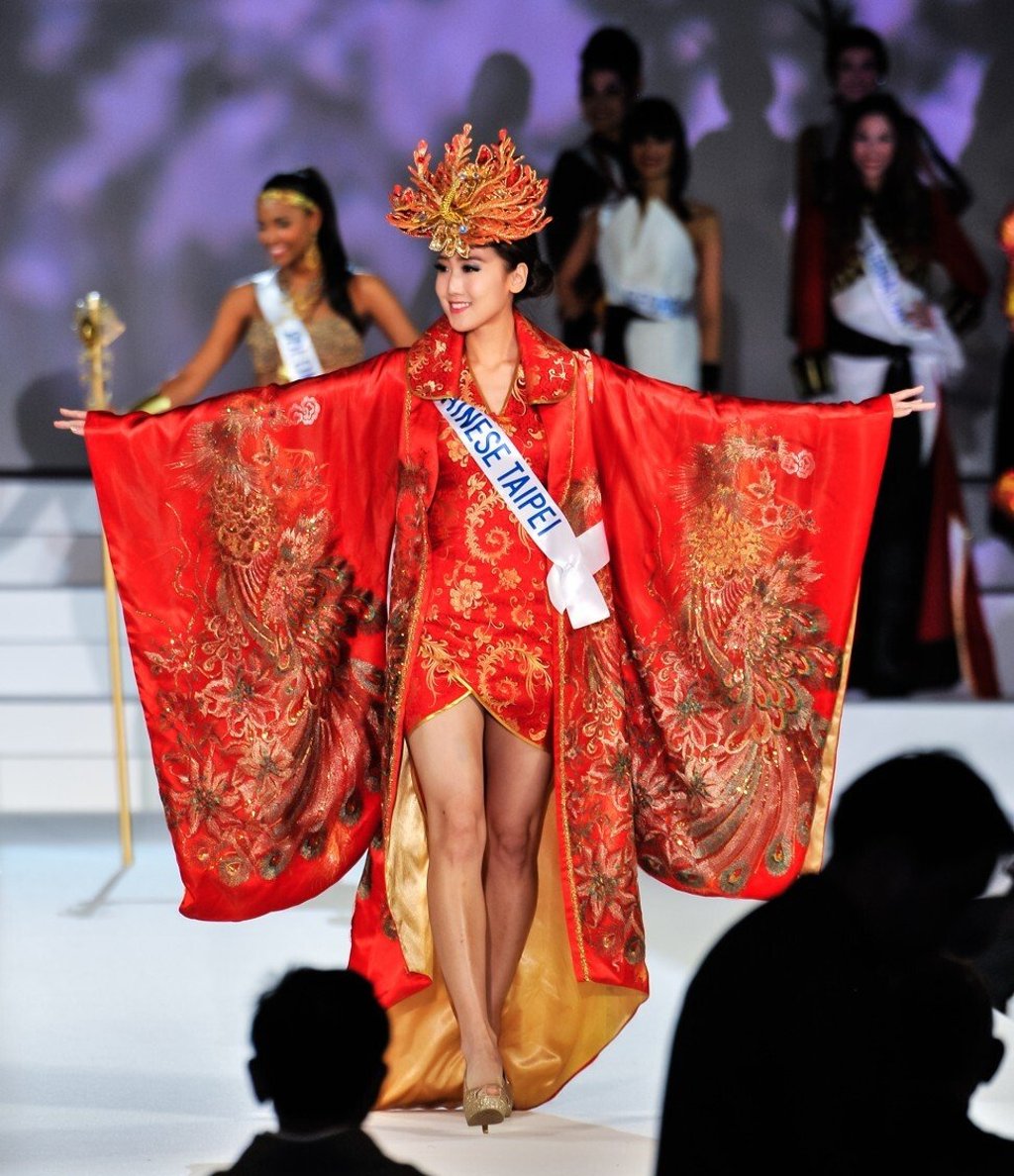
Given China’s continued existence as a nation for several millennia, and that violence and bloodshed accompanied periods of national disunity, the idea that there could only be one legitimate ruler, dynasty or government at any one time was seared into the Chinese psyche. The notion persists today, especially in mainland China, and is manifested in strident protests from both the government and citizens whenever there is a deviation, even an unintentional one, from the official line that “there is one China and Taiwan is part of China”.
So what happens when the ideal of national unity is not reflected in reality? There were multiple times in history when China was divided: the Three Kingdoms Period (220-280); the Northern and Southern Dynasties (420-589); the Five Dynasties and Ten Kingdoms (907-960). Many would even argue that we are living in one such period, with Taiwan remaining outside the fold of the Chinese nation.
During periods when there were multiple independent states in China, their leaders often refused to recognise each other as legitimate rulers. Since there could be only one emperor in China, the various “emperors” (huangdi) – many of whom presided over parcels of territory the size of one or several modern-day Chinese provinces – claimed to be the sole legitimate ruler of all of China. Other rulers were merely “lords of states” (guozhu), pretenders who would eventually surrender to the rightful monarch or be vanquished.