Then & NowHow reservoirs, and cheap imports, marked the end of agriculture in Hong Kong
- Diverting water to construct reservoirs in the New Territories was the principal reason rice growing disappeared from Hong Kong
- Land use then changed to vegetable farming and later to open storage for containers, wrecked cars and construction equipment

Wherever rice is grown, a reliable water supply is vital. Over centuries, rivulets were channelled from hillside streams to irrigate entire agricultural valleys. Rice will not grow in stagnant water, so constant flow was essential. Any water diversion could have catastrophic consequences further downstream.
Period memoirs by district officials, right across Asia, invariably mention water rights issues. When violent inter-village disputes erupted – and New Territories history is littered with these conflicts – water was the usual flashpoint.
Water diversion for reservoir construction in the New Territories was the principal underlying cause of rice cultivation disappearing from Hong Kong, beginning with the Shing Mun Reservoir in the late 1930s. Accelerating the process were the post-war Tai Lam Chung and Shek Pik reservoirs, completed in the 50s and 60s, respectively.
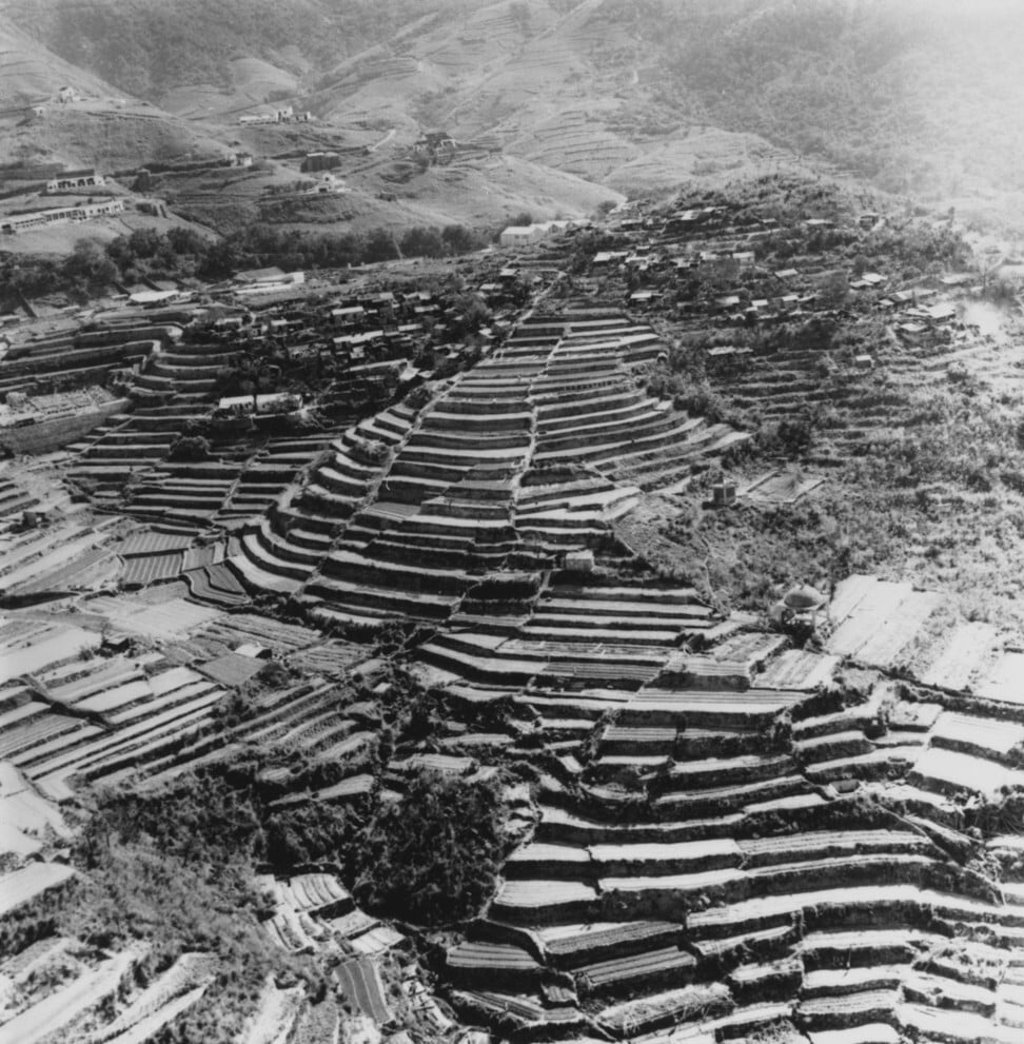
Cheap imports hastened the decline of local cultivation. By the mid-60s, processed rice from Southeast Asia – mainly Thailand – sold for less than the local production cost. Chinese rice was also sent to Hong Kong at low cost, further reducing local agricultural viability. Owners of now useless rice fields rented their land to vegetable farmers, who could cultivate crops with less water.