ReflectionsWhy the Chinese celebrate Mid-Autumn Festival – a brief history of the occasion
- China’s ancient peoples were fervent moon worshippers, a trait that probably evolved to become the festival we see today
- It was during the Tang dynasty that the event became popular and was feted with folk tales, poems and picnics
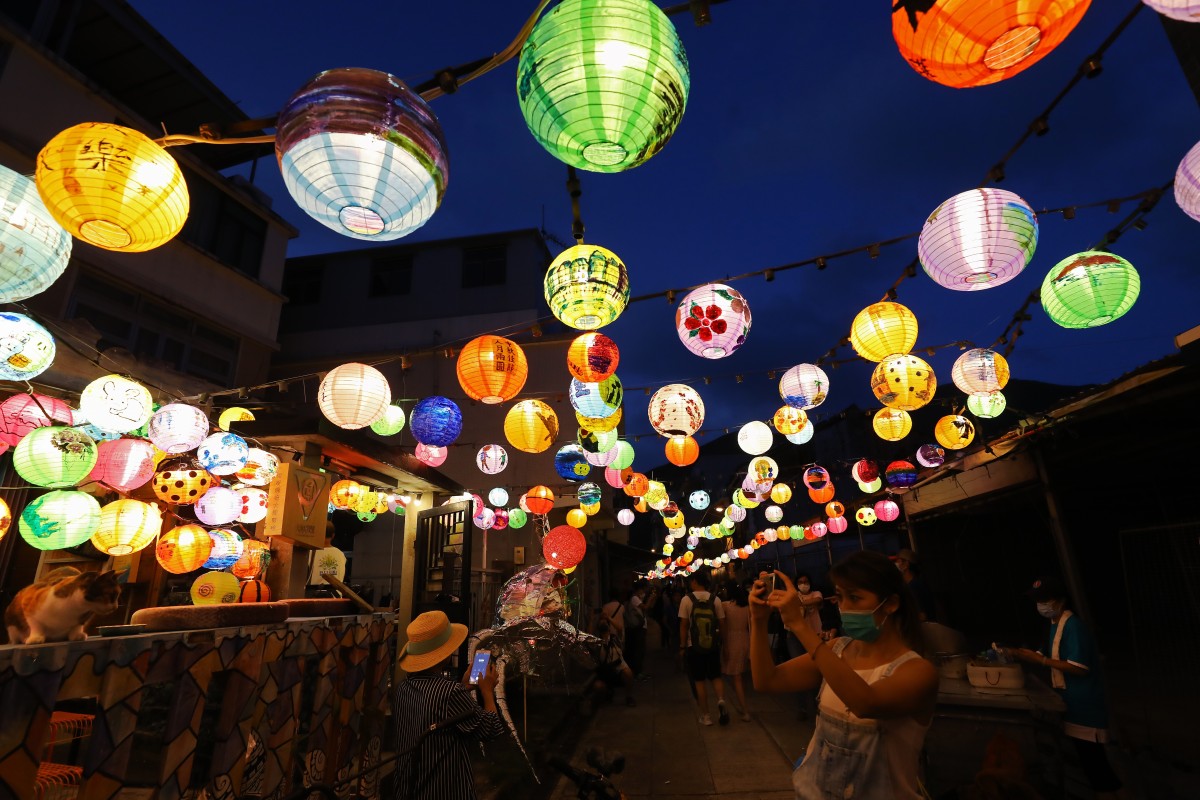
Many of us are probably wondering what to do with the gift boxes of mooncakes sitting in our kitchens, some unopened, in wastefully elaborate packaging. I’d probably give them away because I don’t like mooncakes, especially the traditional stodgy varieties that give me heartburn.
Growing up in Singapore, where the midpoint of a non-existent autumn is not marked by a public holiday, my family only knew the occasion was around the corner when shops began hawking mooncakes – we didn’t celebrate it in any way. It was only after I came to Hong Kong that I realised how seriously the Chinese take Mid-Autumn Festival, with family dinners and other festivities.
The festival probably originated as the worship of the moon among ancient peoples. As the nation grew in size and sophistication, the various traditions of lunar veneration amalgamated into a celebration of the full moon in autumn.
Before the Qin dynasty (221-206BC), it was already a significant date for the Chinese, who “welcomed the cold season on the night of the Mid-Autumn” and presented the king with fine fur garments. In the six centuries of the Han and Jin periods (206BC-AD420), there were sporadic records of mid-autumn celebrations but the festival wasn’t very popular, especially in northern China.
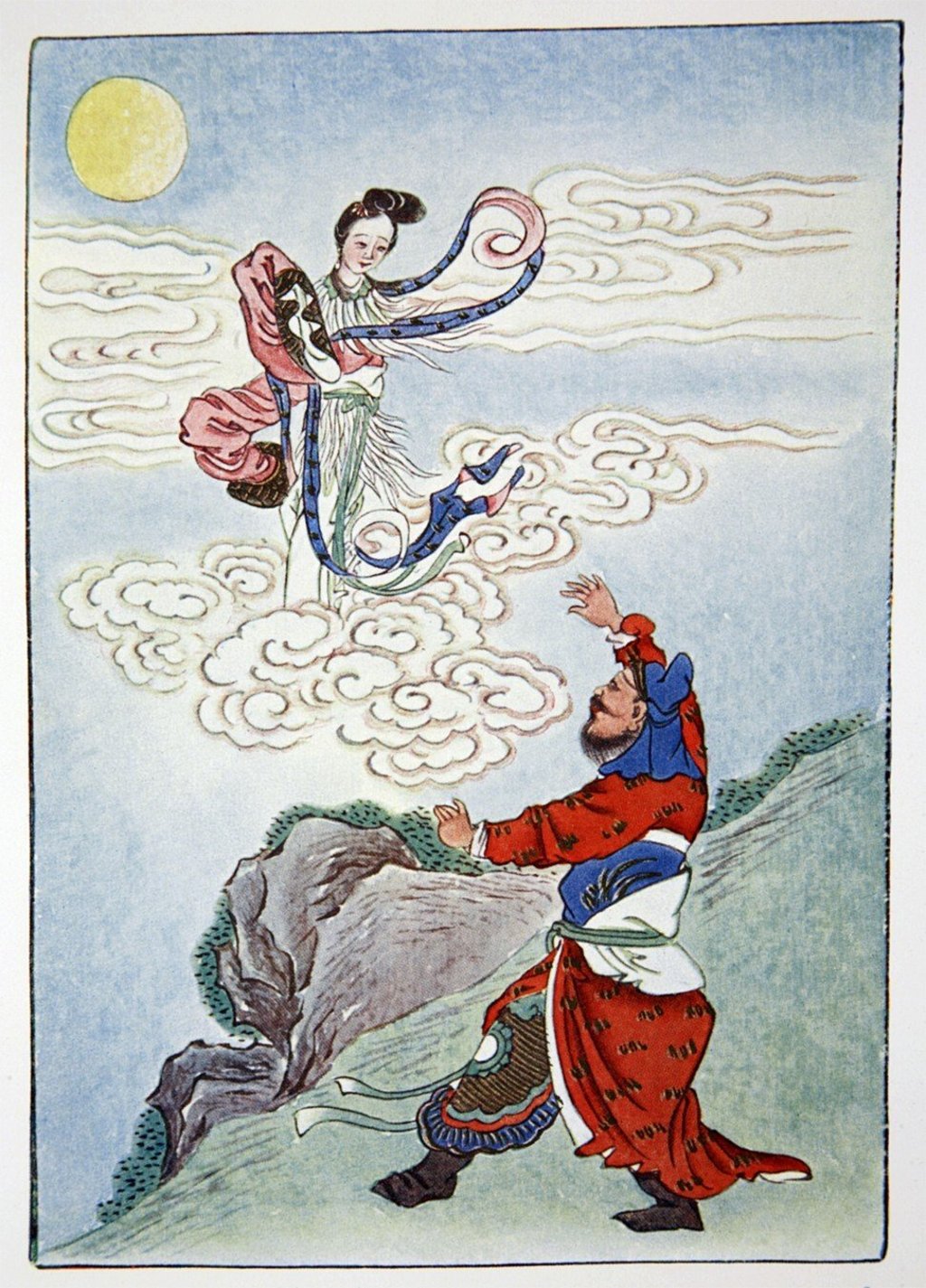
It was during the Tang dynasty (AD618-907) that Mid-Autumn Festival became a nationwide holiday. Folk tales associated with the festival and the moon – such as Chang’e’s lunar flight, Wu Gang’s Sisyphean task of felling the osmanthus tree, and the Jade Rabbit pounding medicinal herbs to make the elixir of life – were popularised, and parties under the full moon became fashionable in the capital Changan (present-day Xian). Scores of poems were written eulogising the moon at mid-autumn.