
ReflectionsHow sick rulers made for messy transfers of power in Imperial China
- China’s usually well-organised pre-modern bureaucracy fell down when its rulers were incapacitated, with no provisions for peacefully transferring power
- When the emperor fell ill, ambitious empresses, relatives and ministers would take over the government, often with dire consequences

Many nations have properly defined protocols for the transfer of political power when the incumbent heads of government are incapacitated. In the US, the line of succession is clear: the vice-president, followed by the speaker of the House of Representatives, the president pro tempore of the Senate, then the secretary of state, and so on.
Imperial China, which boasted one of the most sophisticated government apparatuses in the pre-modern world, curiously did not have clearly spelled out provisions for situations when emperors became too sick to fulfil their duties.
In some cases, the adult heir apparent or empress dowager (who might or might not be the emperor’s biological mother) would temporarily take over the reins of government, but more often than not it was an ad hoc process.
The Song period, divided into the Northern Song (960-1127) and Southern Song (1127-1279) dynasties, had its fair share of physically and mentally infirm emperors.
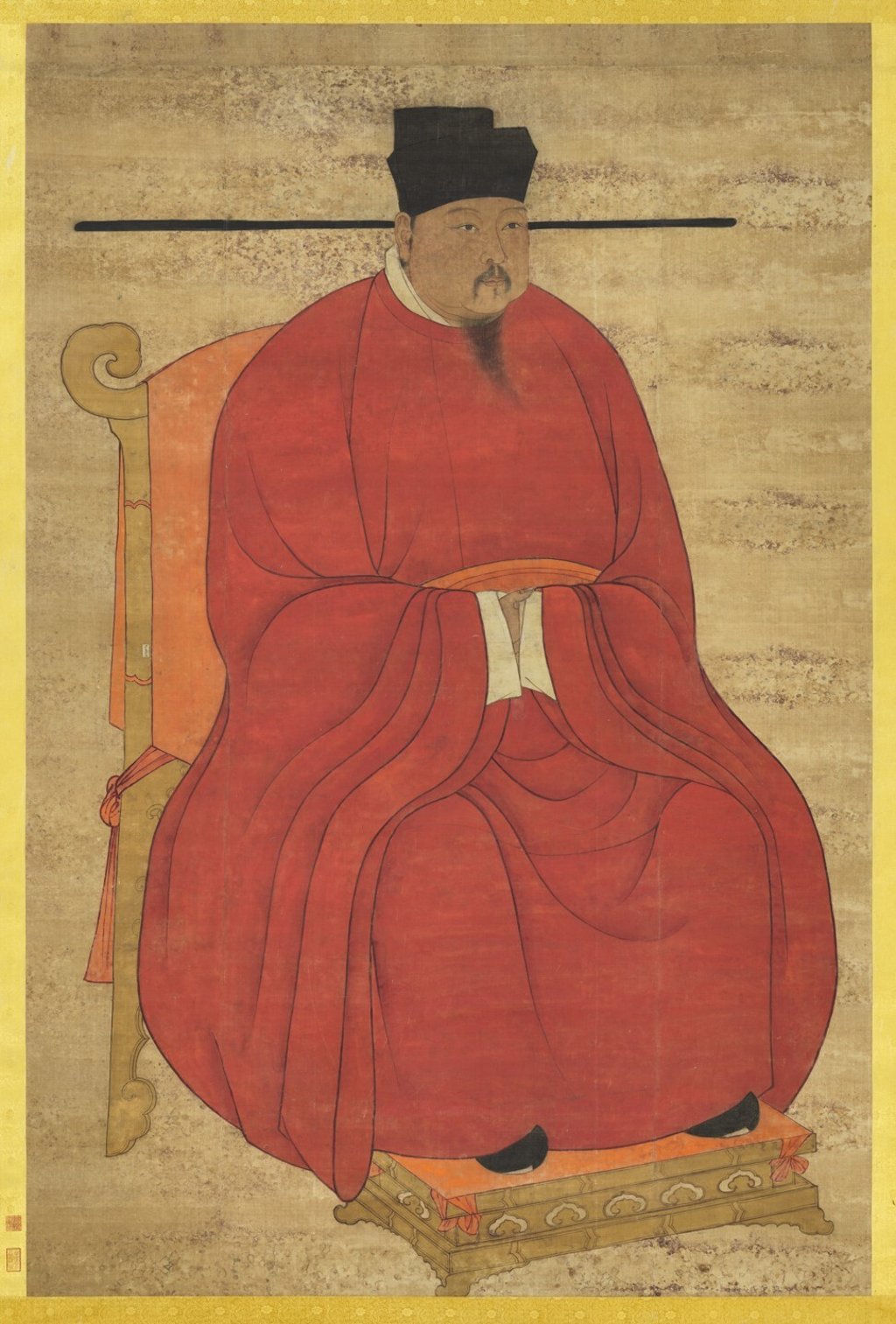
Governance of the country during Song rulers’ incapacity was the same as in other periods in China’s history: it was bad. Without proper contingency plans in place, what ensued was often incompetent and chaotic governance, political intrigues and national crisis.