ReflectionsCompared with China’s royal couples, Prince Philip and Queen Elizabeth set a rare example
- Imperial China had no titles for the husband of a female monarch because it did not allow for female succession to the throne
- Empress Wu Zetian was the sole historical anomaly, and she had two husbands and several lovers

Prince Philip, the husband of Britain’s Queen Elizabeth, died on April 9, just two months shy of his 100th birthday. Concurrently a prince, a duke, an earl, a baron, a knight of multiple orders, and even lord high admiral, he was usually styled as His Royal Highness The Prince Philip, Duke of Edinburgh.
In China, the most common title conferred on the consort of an imperial princess, the daughter of an emperor, was fuma. It is an abbreviated form of fuma duwei, or the commander of the reserve horses accompanying a chariot or carriage. In other words, a commandant escort. In earlier times, fuma was an honorific commonly conferred on imperial in-laws and the sons and grandsons of grand noblemen. By the 5th century, it had become a formal title for the husbands of princesses. In the Qing dynasty (1644-1912), the title was changed to the Manchurian efu.
Unlike monarchies in Europe and other regions, imperial China did not allow for female succession to the throne. For this reason, there were no titles pertaining to the husband of a female monarch.
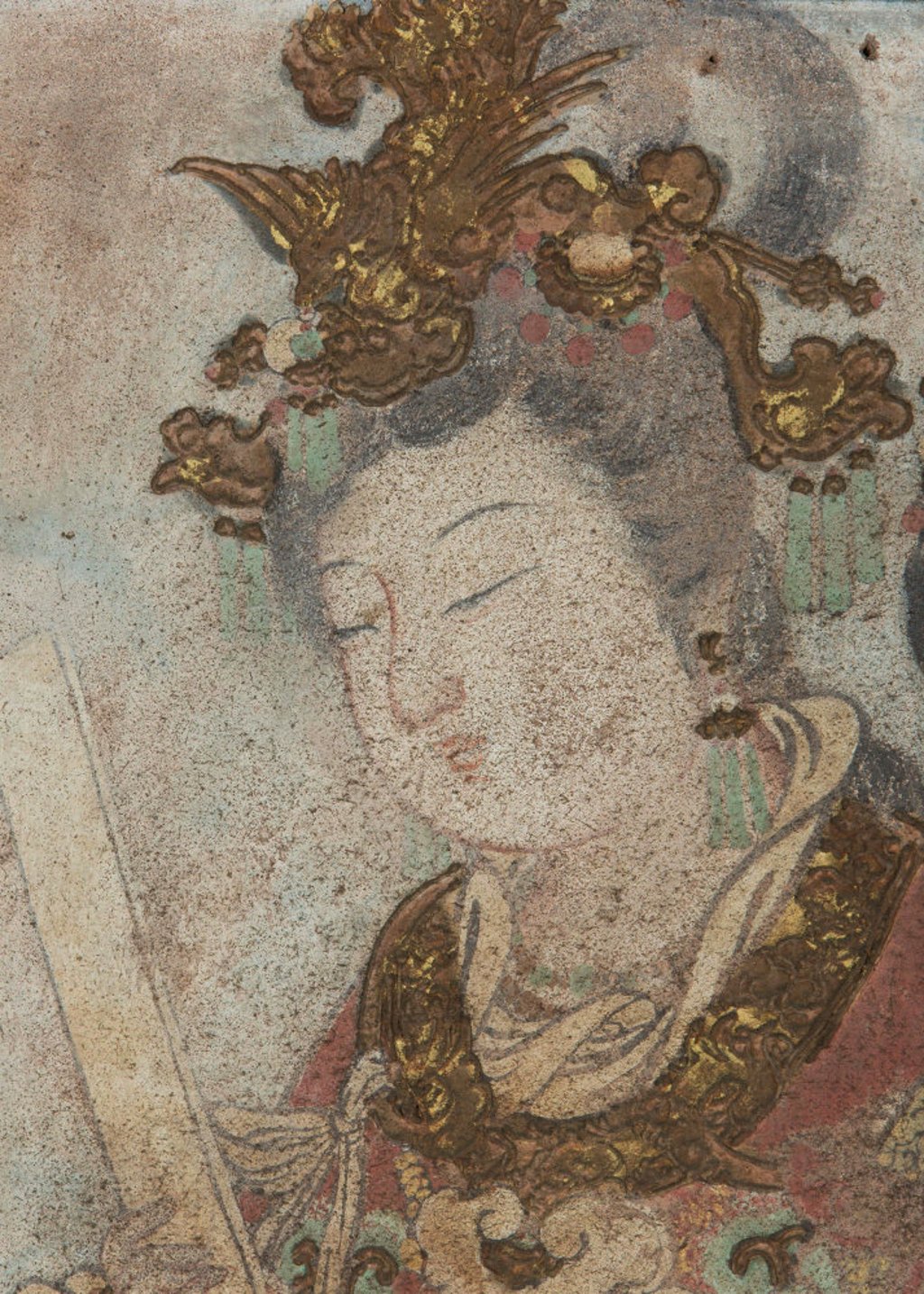
Technically, Wu had two husbands. She was a minor consort, a cairen or “lady of talents” of Emperor Taizong of the Tang dynasty. Soon after he died, in AD649, she became her stepson Emperor Gaozong’s zhaoyi or “lady of bright deportment”, a high-ranking consort. In AD655, she became empress. After Gaozong died, in AD683, Wu remained a widow.