
Then & NowThe children’s books Europeans in Asia grew up reading, from Chinese adventures to fondly remembered Kenyan tales
- For European children in Asia, books set in places such as China, Indonesia and Australia were infinitely more familiar and readable than those set in Europe
- May Gibbs’ Snugglepot and Cuddlepie series, with its illustrations of cute characters who lived in gum trees, has charmed generations of Australian children

Popular, well-illustrated children’s books are a bonanza for successful authors; the best seldom date. But what was considered appropriate reading for children a century ago, and how did local circumstances create a readership for Asia-related themes or settings among European children born and raised in East Asia?
The best children’s authors recognise that young people need relatable context to encourage them to read in the first place; rural Australia, New Zealand or South Africa, or Southeast Asia, Japan or China, was a child’s personal reality, whatever their parent’s ethnic origins may have been.
Works that bridged the gap were wildly popular; May Gibbs’ Snugglepot and Cuddlepie series, first published in 1918, with its colourful, beautifully drawn illustrations of cute characters who lived in gum trees, has charmed generations of Australian children; original copies command high prices.
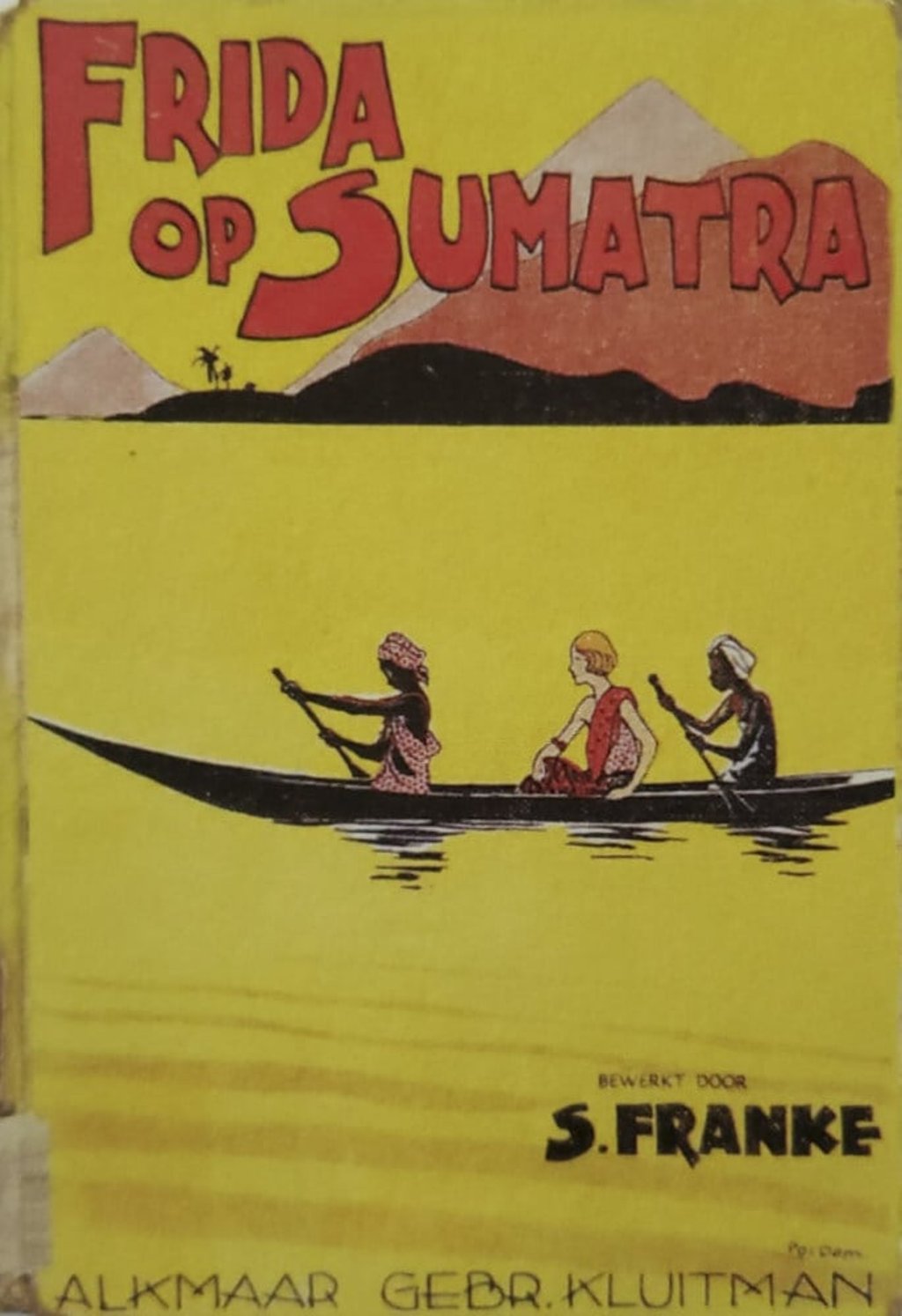
For European children in Asia, Ah Wang with his portable kitchen on a carrying pole, coming around the back lanes of a walled town in China with a tray laden with steaming, delicious snacks, Sutomo the Javanese village boy galloping up a volcano on his pony, or little blond Dutch girl Frida in north Sumatra paddling on Lake Toba with her Batak friends were infinitely more relatable than characters set in an unseen Europe.
Such figures were also real; as many adult memoirs make clear, Asian childhood friends were an essential aspect of life, and were remembered warmly decades later, when much else had become vague with time and distance.