ReflectionsHow ancient Chinese wills protected the deceased’s family, and the contents of China’s original last will and testament
- Before modern times, China’s deceased could not leave the bulk of their estate to mistresses, illegitimate children or even friends
- Legendary king Yu gave his ministers specific instructions on his burial, which would have been the first recorded last will and testament in China

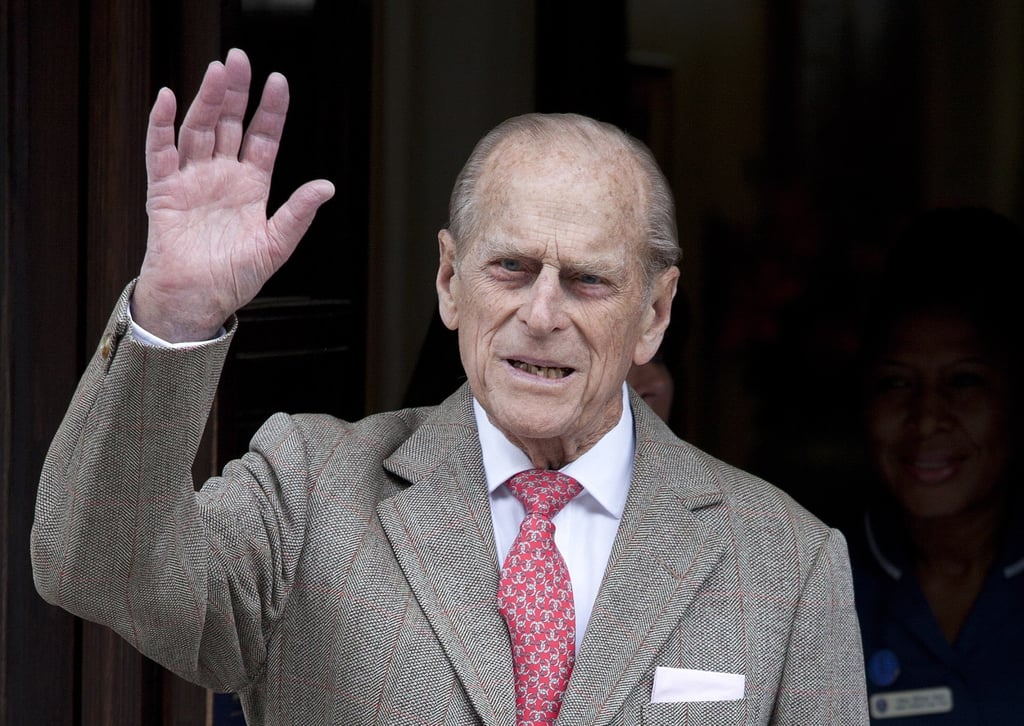
The court case filed by The Guardian is informed by the perception that the royal family are above the law. In Britain, all wills become public documents following their admission to probate. For many, the sealing of Philip’s will is another example of the unearned privilege of this group of individuals.
Yu, the legendary king who founded China’s Xia dynasty, which supposedly existed from around 2070BC to 1600BC, told his ministers in his old age that after his death, he wished to be buried on the Kuaiji Mountain, which is around 150km (90 miles) southwest of Shanghai.
He also specified the kind of sarcophagus he wanted and the dimensions of his tomb. If it is true, then Yu’s instructions would have been the first recorded last will and testament in China.
In the few millennia before the 20th century, the last wishes of ordinary Chinese people were mostly governed by the state. This is not to say that people could not leave instructions regarding the distribution of their effects, only that the instructions could not contravene prevalent norms.
These norms were based on family, which the Chinese regarded as sacrosanct. The laws of all dynasties protected the inheritance rights of the family of the deceased.