Language Matters‘Vaccine’ and ‘vax’ are the 2021 words of the year – they symbolise protection and possibilities during a pandemic
- Merriam-Webster named ‘vaccine’ and Oxford English Dictionary plumped for ‘vax’, both words that reflect our evolving circumstances amid the pandemic
- Increased usage of the word ‘vaccine’ has seen clipped forms of it being employed, with ‘anti-vax’ and ‘anti-vaxxer’ coming into being in the past 10 years

’Tis the season to be jolly, and to make resolutions for the year ahead. ’Tis also the season – for those who work in language matters – to identify the words defining us in the year past, with dictionaries and other language-related bodies announcing their Word Of The Year (WOTY).
Last year’s WOTYs – including “pandemic”, “quarantine”, “lockdown”, “social distancing” and “remote” – centred around the coronavirus outbreak and our immediate responses. This year, two WOTYs – Merriam-Webster’s “vaccine” and Oxford English Dictionary’s “vax” – indicate how language use reflects our evolving pandemic circumstances.
In 2021, attention to the word “vaccine” intensified. Merriam-Webster reported an increase of 601 per cent in the look-up rate year on year from 2020 (and an increase of 1,048 per cent from 2019), with interest spiking in August this year. What is notable is that this appears to be related less to the vaccine itself and more to discussions about policy (such as vaccine mandates for health care workers), approval, and vaccination rates and distribution.
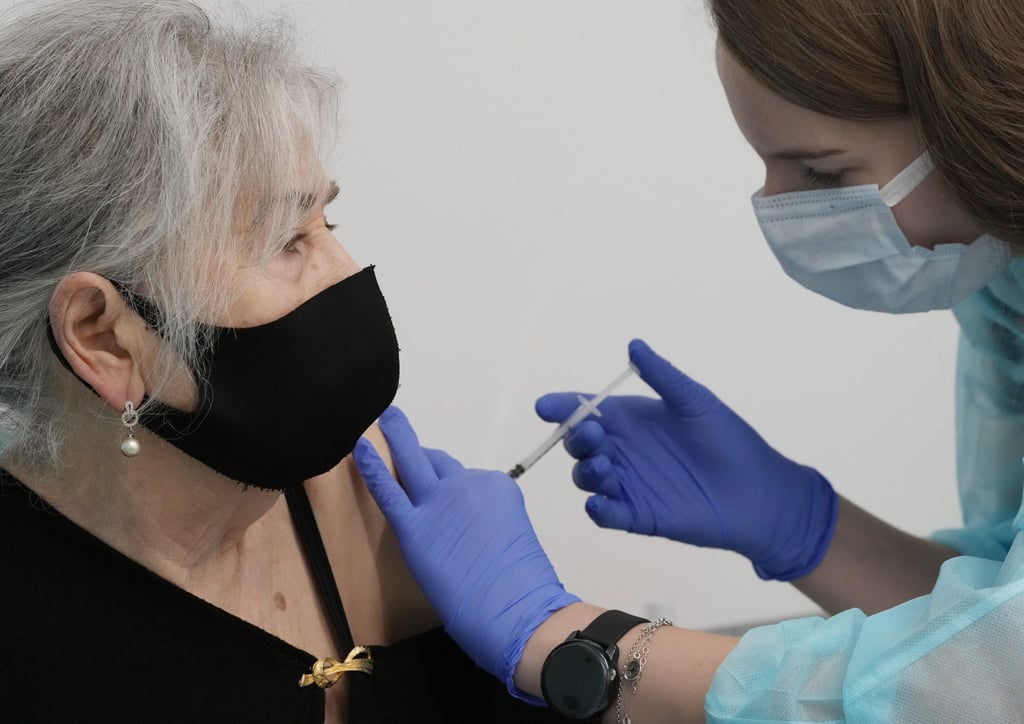
Increased frequency of use sees consequences in the structure of words themselves. The clipped forms “anti-vac” and “anti-vacc” were already coined in the late 19th century (in the time of smallpox), with “anti-vax” and “anti-vaxxer” coming into being in the past decade (in reference to influenza and MMR vaccinations).