ReflectionsHow the Chinese eat tangyuan, or tong yuen, at winter solstice, the shortest day of the year – a state holiday in China for over 2,000 years
- Winter solstice sees Chinese families the world over gather for special meals and typically involves a religious element, such as prayers to one’s ancestors
- Tong yuen – spherical lumps made from glutinous flour – are served in savoury broth or light syrup; pandan leaves give the latter a wonderful fragrance
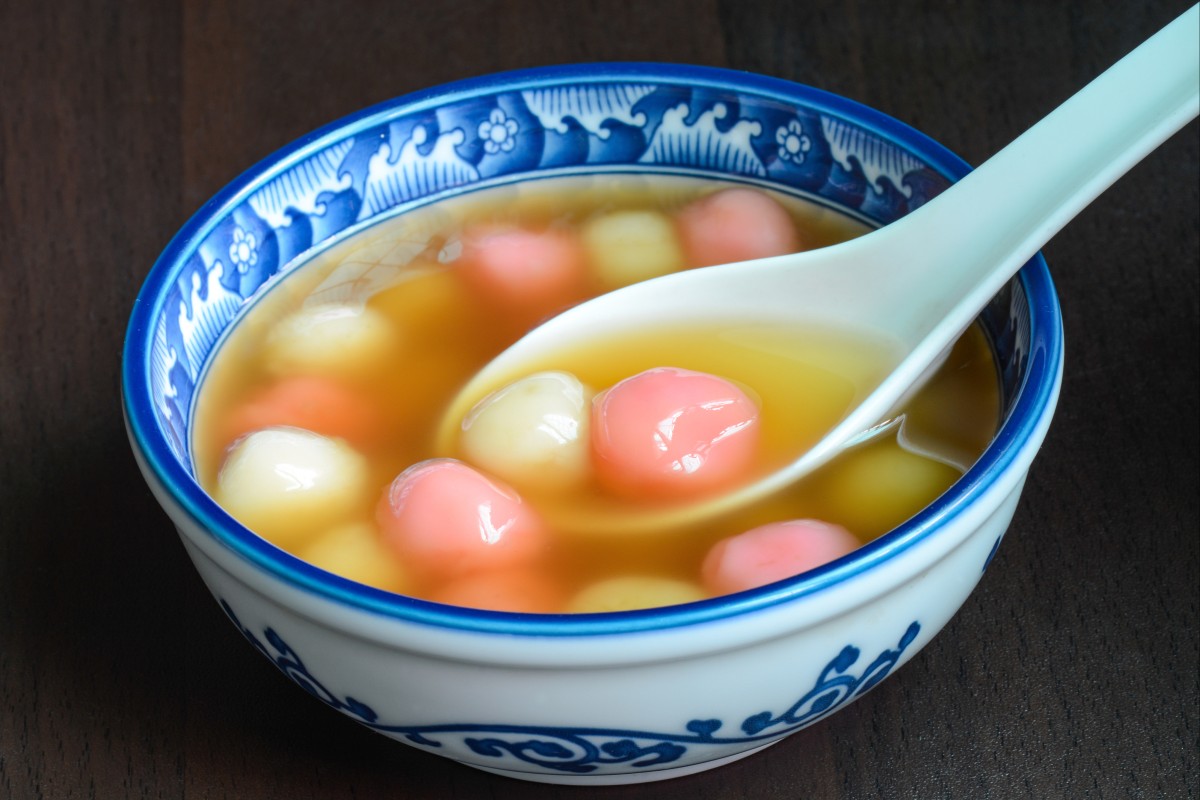
Although the winter solstice isn’t a public holiday in Hong Kong (it is in Macau), it’s a major festival celebrated locally, as well as by Chinese communities all over the world, even in Southeast Asia where winter is, quite literally, a foreign concept experienced only during overseas holidays, seen on screens and pictures, or imagined in books.
The winter solstice, dongzhi in Mandarin and dung zi in Cantonese, is the day with the shortest period of daylight. This year it falls on December 21 in the northern hemisphere; the southern hemisphere already had its winter solstice on 21 June.
We don’t know how long it took before ancient peoples finally caught on to the fact that one particular day in the cold months had the shortest day and longest night, and that this phenomenon repeated year after year. But by the Zhou period (circa 1100BC-256BC), the Chinese were already observing the winter solstice as a state holiday.
A passage on social and religious institutions in Rites of Zhou, a work on bureaucracy and organisational theory that appeared in the second century BC, instructs state officials to “convene the deities in the heavens and the spirits of the dead on the day of the winter solstice” so as to offer them sacrifices.
In subsequent dynasties until modern times, state observances of the winter solstice always involved making religious offerings, sometimes by the emperor in person. The emperor would preside over a special celebration at the palace, where all his officials and foreign envoys, donning their most formal court dresses, would offer him their felicitations. From the emperor to the lowliest government clerk, everyone took a day off from work.
For ordinary people in China, the winter solstice was, and still is, an important day of the year. The ways of celebrating differ across time and geography, but they always involve a religious element, such as prayers and offerings to either deities or one’s ancestors, and the gathering of family members for a special meal.