ReflectionsAncient Chinese porn served as sex education and was even used for fire prevention
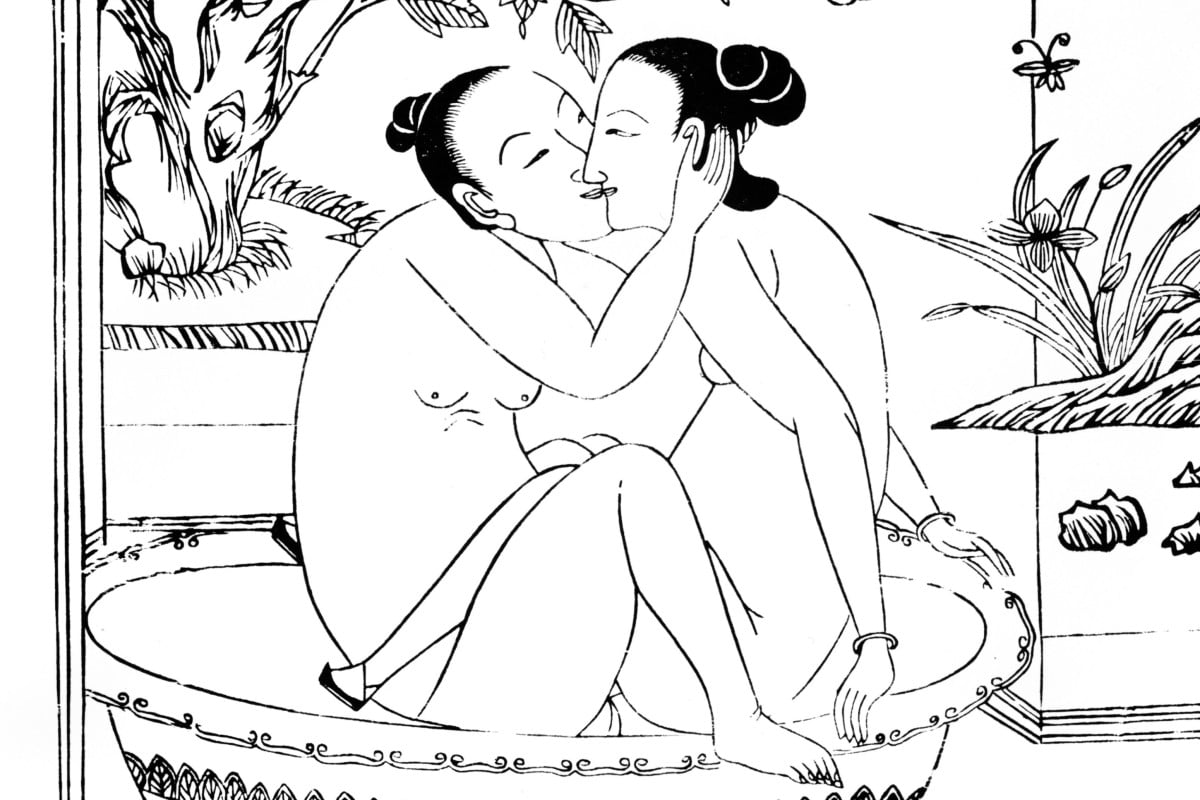
- Pornographic paintings in China were used for millennia as pictorial guides for young men and women on what to do on their wedding nights and thereafter.
- With coitus traditionally associated with rain that nourishes the fertile earth, paintings were also used as talismans against fire
A couple of weeks ago, a male teacher in a girls’ school in Kwun Tong, Hong Kong, resigned after he was caught watching a pornographic video in class.
He was supposed to be supervising his students as they were doing class work, but instead he was watching an adult video, which, unfortunately, was projected onto an electronic screen by accident and seen by his teenaged charges. The school has reported the incident to the Education Bureau and the police.
The teacher’s actions were totally unacceptable. He has brought the school and the whole teaching profession into disrepute. We expect a school, of all places, to be free from pornography.
Having said that, I venture that we’re more outraged by this breach of expectation and public propriety, than the fact that teachers actually watch pornography (much as we like to pretend that many of them don’t in private), or that secondary school students were exposed to it (much as we like to pretend that many of them haven’t already been).
Today, pornography is available to practically anyone with a computer or smartphone. Barring objections on the grounds of morality, feminism, power dynamics, and so on, does pornography serve a purpose? The ancient Chinese seemed to think so.
The most common traditional Chinese word for pornography is chun gong, literally “the spring palace”, and pictorial depictions are chun gong tu, where tu means “picture” or “illustration”. Apart from paintings and sketches, pornography was also available in three-dimensional forms, often as miniaturised sculptures on wood and ivory.