Then & NowWhy retiring in Portugal for Hong Kong people has long been seen as a viable and welcoming option, today more than ever
- Portugal has maintained an allure for Far Eastern retirees since the 1940s with its low cost of living, sunny climate and echoes of weekend sojourns in Macau
- Retention of European Union passports has added to Portugal’s appeal as a emigration destination for many Hong Kong residents in the post-Brexit era

Where to retire to, when one’s days in Hong Kong are finally done, has dominated conversations among residents of all ethnicities since the colony’s mid-19th century beginnings. As contemporary Hong Kong steadily loses its lustre, increasing numbers of long-term residents, who had once chosen to retire here, have rethought their options. So where do they decamp to these days?
From the 1940s, Portugal has maintained an allure for Far Eastern retirees. Cobblestoned streets, pastel-painted buildings, dazzlingly blue skies, dry, sunny climate, moderately priced wine, vivid splashes of bougainvillea trailed against whitewashed walls – Portugal’s lifestyle attractions were, and remain, beguilingly picturesque.
For many, punitive post-war taxation made British life unviable for more than the statutory 90 days a year; significantly lower living costs added to the overall appeal. Parts of Australia and South Africa were also popular, and for similar reasons. But unlike Perth or Cape Town, the rest of Europe was easily accessible from Portugal; personal links with Britain were also much easier to maintain. And for those with happy memories of long weekend sojourns in Macau, Portugal offered pleasant echoes of their former Hong Kong lives.
By the late ’60s, as word of Portugal’s attractions grew, small colonies of ex-Hong Kong people emerged, mostly drawn together by familiarity with each other’s earlier lives, a common language – English – and similar past and present points of reference.
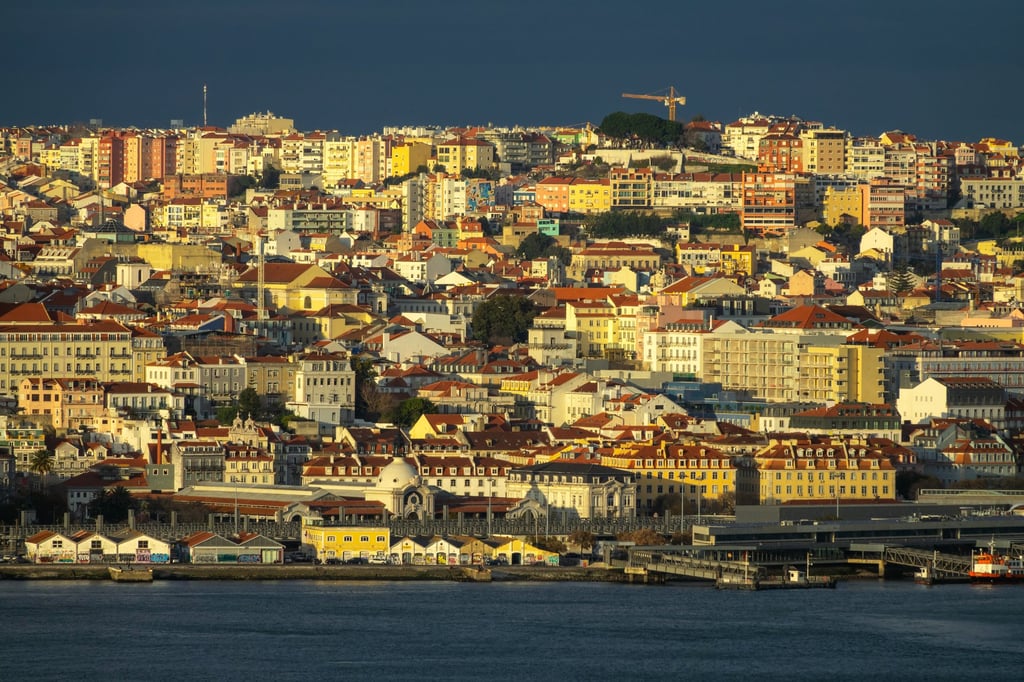
In the decades before the Algarve was developed into an interconnected series of golf courses and villa complexes, hill towns around Sintra and Colares, and the scenic coastline between Lisbon and Cascais, became the usual roosting points; Estoril, with its luxurious hotel-casino owned by Macau gambling interests, was also popular.
English novelist and playwright William Somerset Maugham’s oft-repeated observation that the French Riviera was “a place in the sun, for shady people” was equally true of Portugal during António de Oliveira Salazar’s dictatorship; Lisbon offered a low-cost version of the Cote d’Azur, with similar amenities.