
ReflectionsShinzo Abe’s assassination shocked the world. In Tang dynasty China, a prime minister’s killing had an obvious political motive
- The shooting of Japanese ex-prime minister Shinzo Abe shocked the world because of Japan’s strict gun controls and the killer’s personal, not political motive
- In China 1,200 years ago, the reason assassins killed a prime minister was known – the emperor had thrown down the gauntlet to rebellious military governors

Most people in the world reacted to the death by shooting of former Japanese prime minister Shinzo Abe two weeks ago with shock and incredulity, partly because of the status of the late Mr Abe, who remained influential in domestic and global politics after his premiership, but also because gun crime is so rare in Japan.
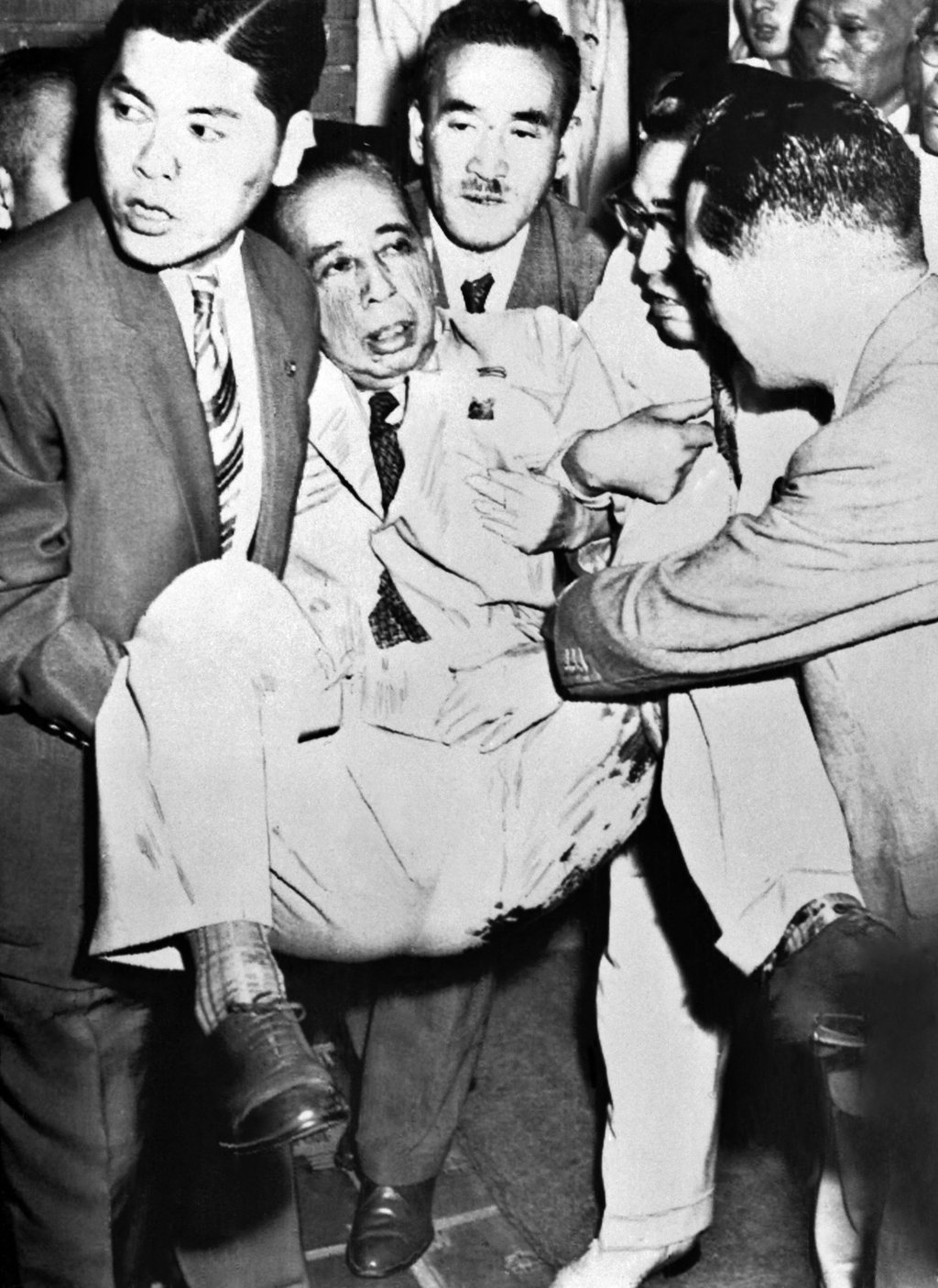
Political violence is not unheard of in the country; in the 1920s and ’30s, five sitting and former prime ministers were assassinated. Post-war Japan also saw several assassinations of politicians. Abe’s grandfather Nobusuke Kishi, who was prime minister from 1957 to 1960, survived an attempt on his life in July 1960.
A Chinese prime minister was assassinated 1,200 years ago, in the summer of AD815, on his way to work. Unlike Abe’s lone assassin, who seemed to have been compelled by personal reasons, the murderers of Wu Yuanheng (758–815) had a clear political motive.
Wu Yuanheng was born into a prominent family. His great-grandfather was a first cousin of the formidable Empress Wu Zetian, to date China’s only female head of state. Known for his intelligence and ability, he quickly rose in the bureaucracy, undertaking various roles in the highest echelons of government.