ReflectionsThe Hakka, Chinese refugees from war and intolerance who kept fleeing south, as far as Hong Kong, and even overseas
- Millions of refugees around the world today live uncertain lives, driven from their homes by war, violence, persecution and other life-threatening situations
- For centuries Hakka Chinese experienced similar uncertainty, until they put down permanent roots in southern China, including Hong Kong, and overseas

Last month I watched a play, And Then Came Spring, which explored female oppression in present-day Afghanistan and the plight of refugees. The thought-provoking play was written and directed by Saleh Sepas, an Afghan playwright who is an actual refugee, as were the actors in the production, who had fled from Afghanistan, Myanmar, Palestine and Syria.
It is estimated that there are a staggering 24.5 million displaced persons in the world today, who cannot return to their places of origin due to war, violence, persecution and other situations that threaten their lives and safety.
Besides the economic and physical hardships, refugees also endure the mental distress of an uncertain, transitory existence in which any thoughts for the future extend only to the next day, if that.
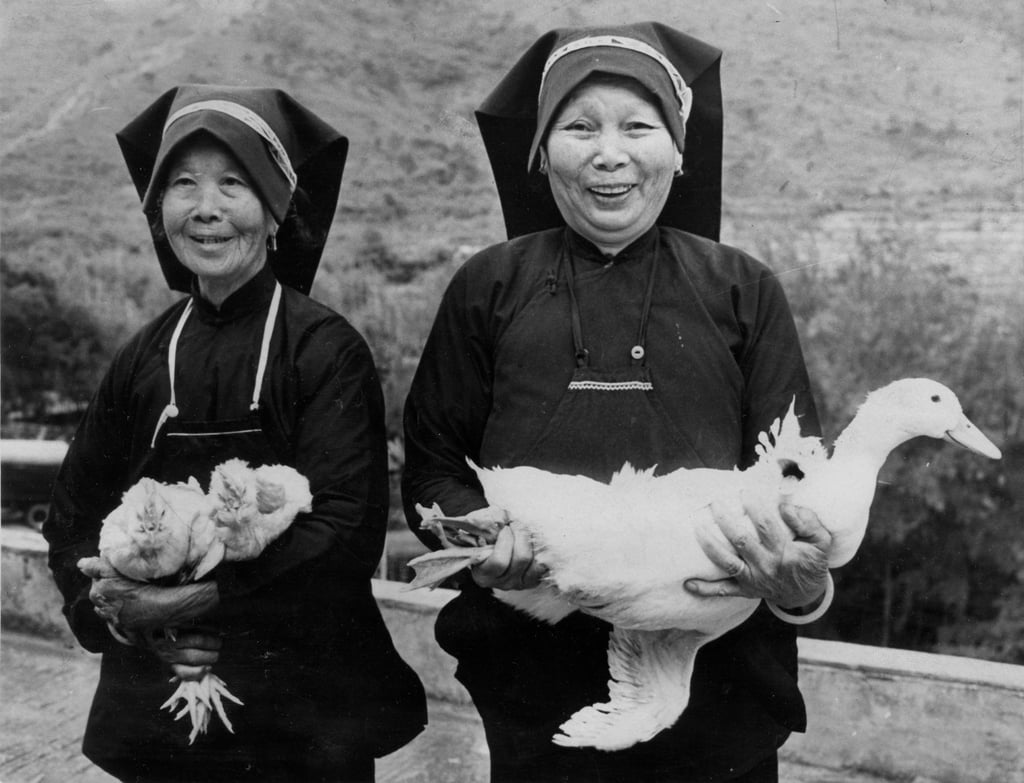
The ethnonym Hakka literally means “guest people”, reflecting their historical status as aliens and outliers in the locations where they settled.