
As Hello Hong Kong campaign woos visitors, remember mass tourism is a recent phenomenon; in ancient China there were just 4 classes of traveller
- It’s mass tourism or bust for one Chinese city with the launch of the Hello Hong Kong promotion, yet until recently long-distance leisure travel was unknown
- The tourists of ancient China were emperors and their entourages, merchants, intellectuals – the ‘influencers’ of their day – and farmers resting from toil

“Hong Kong is ready to welcome you all again,” beckons the jaunty video promoting the city as a tourist destination. “It’s time for all of us to say ‘Hello Hong Kong’!”
The “Hello Hong Kong” campaign was launched recently to revive the city’s floundering tourism industry, which had suffered successive knocks since 2019 – first from the violent social unrest just before the pandemic, then the worldwide pandemic itself, and finally the government’s insistence on keeping Covid-related restrictions for inbound travellers long after most countries had removed theirs.
Before the advent of better means of transport, the rise in disposable income and greater safety and protection for travellers, what was “tourism” in China like? Like the rest of humanity in the pre-modern world, most Chinese did not travel long distances and very rarely for pleasure.
There were basically four groups of travellers in ancient China. The first were VIPs like emperors for whom money was no object. A few rulers, such as the First Emperor (259–210 BC) of the Qin dynasty, toured their empires to gain insight, however superficial, into the lives of their subjects.
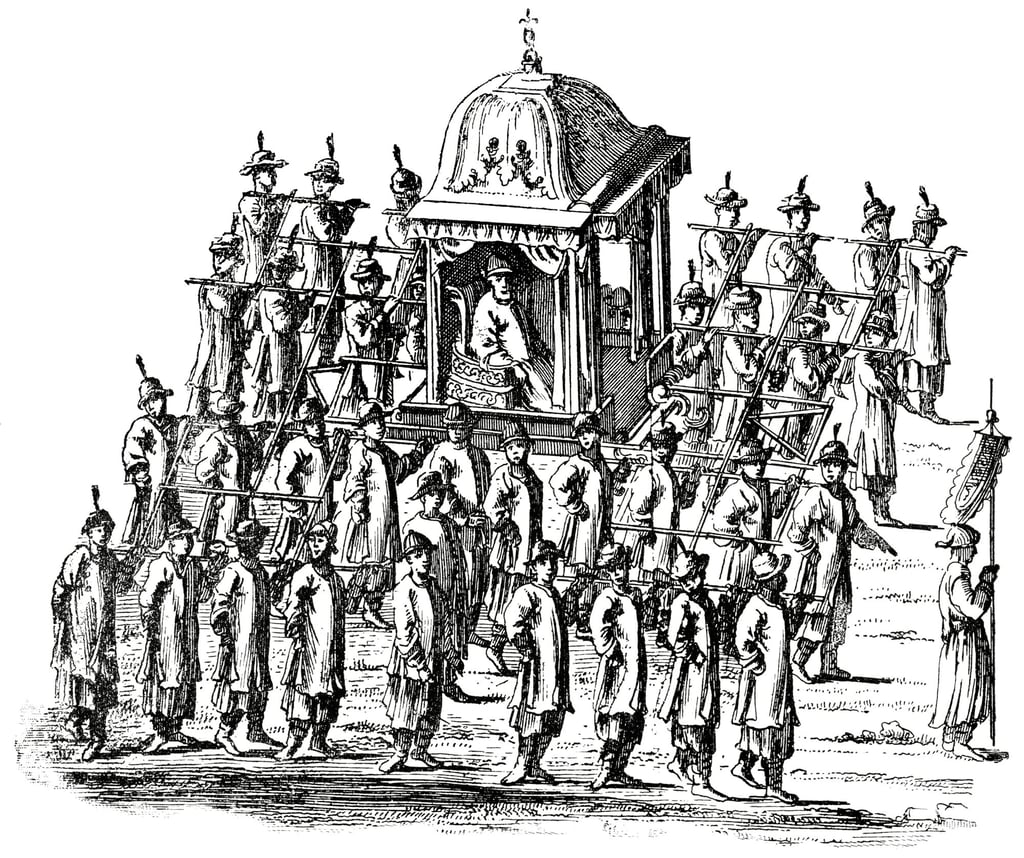
With a massive entourage and magnificent regalia accompanying the emperors, these grand imperial tours were also designed to awe the people into willing subservience.