Advertisement

Then & Now
How Hong Kong’s post-war initiative to support struggling farmers helped Gurkhas returning to Nepal – where it had a lasting impact
- Farmers on the breadline in post-war Hong Kong were helped by the Kadoorie brothers’ agricultural aid initiative that retrained them and gave financial support
- The scheme was extended to help Gurkha soldiers returning to Nepal readjust to agriculture, and gave small disbursements that proved vital to remote communities
2-MIN READ2-MIN

Fresh water provision was a perennial Hong Kong problem from its mid-19th century urban beginnings; critical shortages were commonplace.
The Shing Mun Reservoir scheme in the New Territories, opened in 1935, provided essential supplies for urban areas, but at the expense of New Territories livelihoods, which changed forever within a few years.
Streams formerly channelled towards rice-field irrigation were diverted to the reservoir, leaving many farms waterless. Where irrigation was possible, and soils were suitable, some former rice fields became market gardens, with produce grown for sale in Hong Kong and Kowloon.
Advertisement
As this was possible only in locations near the Kowloon-Canton Railway or along main roads, more villages and their now-worthless rice fields were steadily abandoned; many were completely deserted by the 1970s.
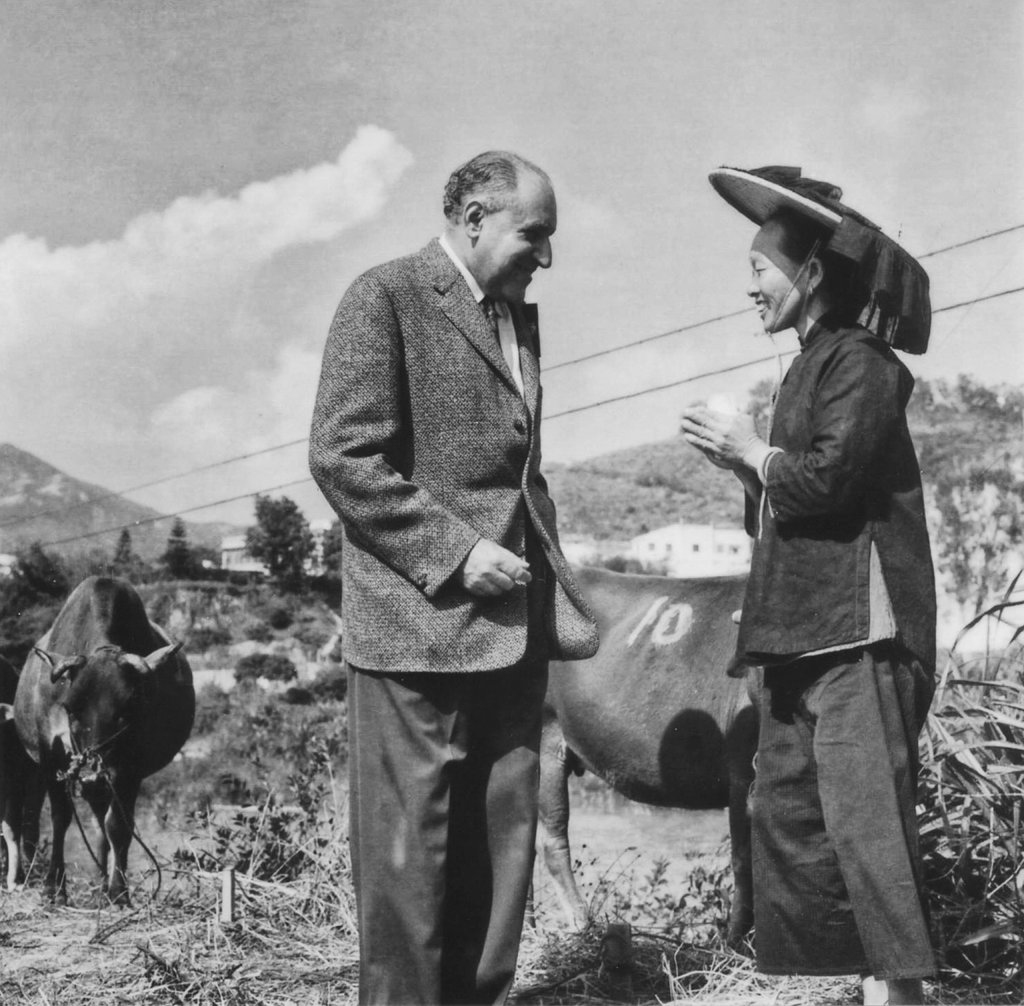
Rapidly altered New Territories agricultural conditions were obvious to district officials by the late 1930s. The Japanese invasion of Hong Kong in 1941, years of occupation and gradual recovery after the war meant rural livelihood issues were in urgent need of practical solutions.
Advertisement
Advertisement
Select Voice
Select Speed
1.00x