
For Manchester and the profits of slave-produced cotton, read opium trading and Hong Kong. Will its students be toppling an HKU founder’s statue?
- When links are found between the wealth of families or companies and historical atrocities, many seek to brush them aside and play down their legacies
- UK newspaper The Guardian, founded in slave-cotton-dependent Manchester, isn’t among them. What might a study of opium’s legacy in Hong Kong set off?

As French novelist Honoré de Balzac wrote, “behind every great fortune lies a great crime”; much truth resides in this observation.
Contemporary beneficial descendants of ancestral misdeeds now find themselves in ambivalent moral positions – especially when the crimes against humanity that founded their fortunes were not only legal at the time, but were also state- and church-sanctioned, and popularly condoned.
What, then, are appropriate modern-day responses, when painstaking research links the transatlantic slave trade to vast fortunes still enjoyed today by the descendants of slave owners, and also documents how slavery’s intergenerational consequences continue to play out in the day-to-day lives of those on the losing side of the transaction – descendants of the African slaves themselves.
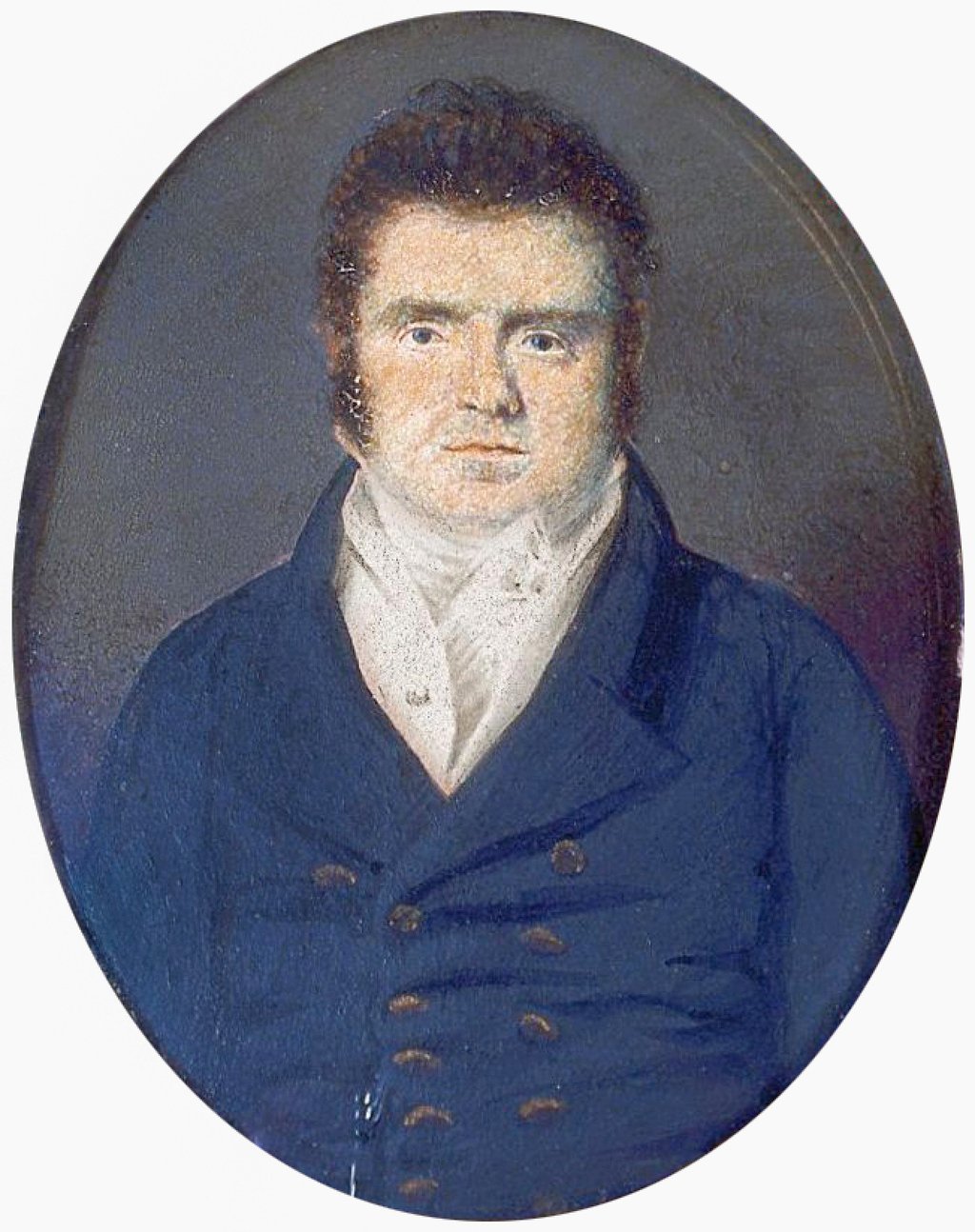
The Guardian – formerly The Manchester Guardian – recently revealed that extensive, groundbreaking research commissioned by the British newspaper’s owners proved beyond doubt that the founder, journalist John Edward Taylor, and his investors in 1821 had significant financial interests directly connected to the slave trade – in particular, raw cotton from North America.
Hardly a revelation. Anyone who chooses to direct their minds towards obvious facts would immediately recognise that connection; after all, where else did the primary material come from?