
Reflections | Who are the Hui people, who lent their name to the old Chinese word for Islam and Muslims?
- Most Chinese speakers in Singapore and Malaysia still refer to Muslims by the old phrase ‘Hui jiao tu’, or ‘followers of the religion of the Hui people’
- The Hui are the fourth largest ethnic group in China and have their own province-level autonomous region

This weekend, Muslims across the world celebrate Eid ul-Fitr, or Eid, which marks the end of the fasting period in the holy month of Ramadan, the observance of which is one of the five pillars of Islam.
In Singapore and Malaysia, Eid is most commonly referred to as Hari Raya Puasa (“the day of celebration [after] fasting”) or Hari Raya Aidilfitri, where “Aidilfitri” is the Malay pronunciation of the Arabic word “Eid ul-Fitr”.
The festival, which can go on for an entire month, is the most important and joy-filled holiday of the year for Muslims in both countries.
Unlike most Chinese-speakers in the rest of the world, who now refer to Islam phonetically as Yisilan jiao in Mandarin, those in Malaysia and Singapore still use the old Chinese word Hui jiao, literally “the religion of the Hui people”.
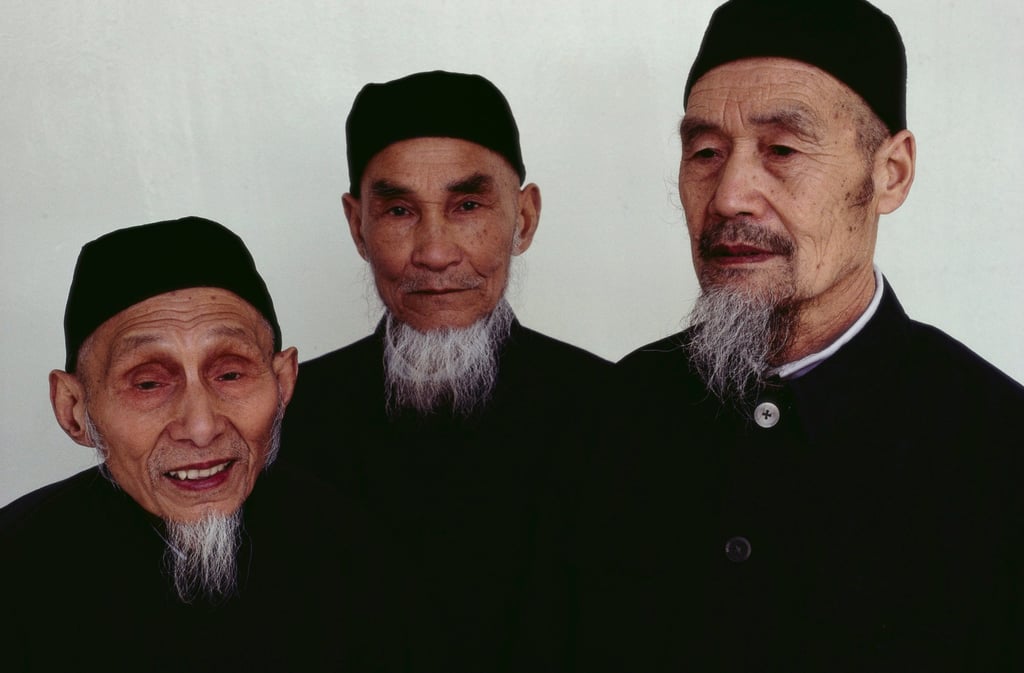
It is the same with the Chinese word for Muslims. Instead of Musilin, most Chinese-Malaysians and Chinese-Singaporeans still say Hui jiao tu, or “followers (or adherents) of the religion of the Hui people”.