
Why May 1 is Labour Day, and how organised labour rose up, in the West and imperial China
- May 1 was recognised by the International Socialist Labour Congress as Labour Day to commemorate an 1886 rally on that day in Chicago that ended in deadly chaos
- Labour movements arose in response to exploitation in the West and in imperial China; yet in nominally communist China, workers are still treated unfairly

In solidarity with most countries and regions in the world, Hong Kong observes Labour Day on May 1 with a public holiday. To most people it is just another holiday. Its origins as part of a global struggle in the 19th century for social justice is all but forgotten.
One of the outcomes of rapid industrialisation and unchecked capitalism in Europe and North America was the ruthless exploitation of workers. By the mid-19th century, the worker’s wretched lot was fertile soil for the sprouting of labour movements across the industrialised West. Among their demands were fairer remuneration and better working conditions.
The International Socialist Labour Congress, held in Brussels in 1891, formally recognised May 1 as International Workers’ Day to commemorate the Haymarket affair that had occurred in Chicago five years before. What had begun as a peaceful rally in support for an eight-hour work day at Haymarket Square on May 1, 1886, descended into chaos on the fourth day of the demonstration, resulting in about a dozen deaths.
Today, most countries and regions in the world designate May 1 as a day to celebrate the worker, including the Greater China region.
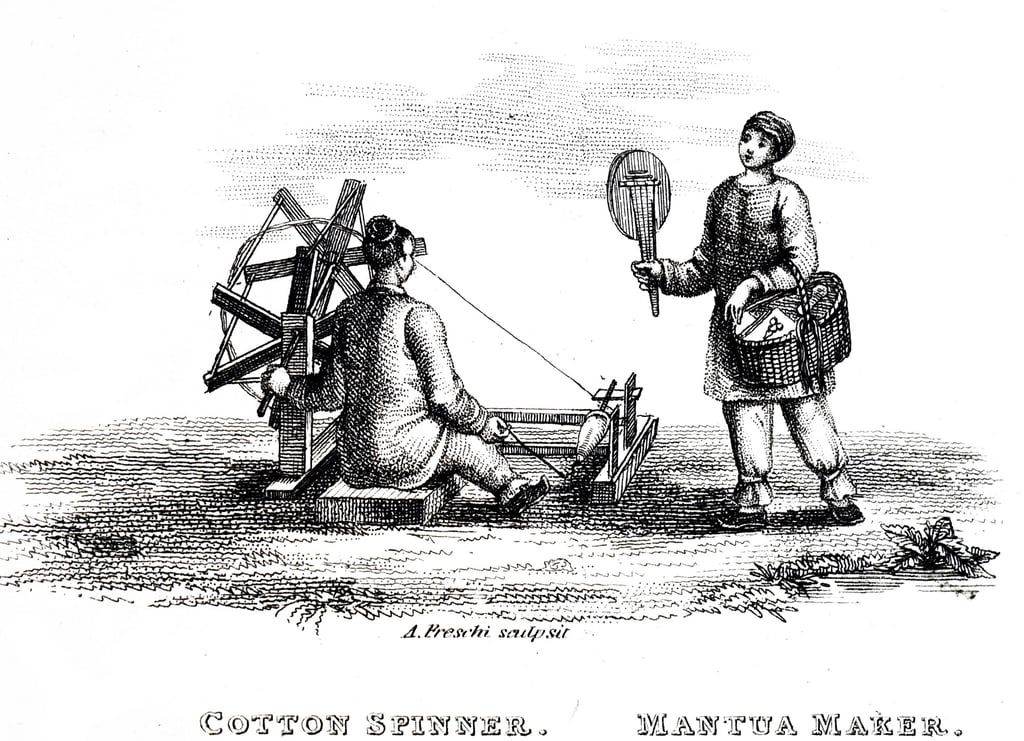
In the traditional division of pre-modern Chinese society, all commoners were categorised into four main classes: the literati and government officials, farmers, artisans, and merchants.