
Then & Now | How rope making tied Hong Kong and the Philippines together economically, with that country supplying a raw ingredient known as Manila hemp
- Shipping has been a major part of Hong Kong’s economy since its earliest days, with the provision of maritime services and goods, such as ropes, a key element
- The Manila hemp fibre used to make the best rope was sourced from the Philippines, as its name suggests, and twisted into cordage in automated factories

From Hong Kong’s mid-19th century urban beginning to the present day, shipping – and everything connected to trade and transport conducted by sea – has remained the city’s single most constant economic activity.
From shipbuilding and ship repair – and ship-breaking at the end of a vessel’s usefulness – to the provision of warehouses, wharves, dry docks and engine workshops, whatever was required by the maritime industry could be sourced somewhere in Hong Kong.
While many components used in shipping-related industries were imported and then installed in Hong Kong when a ship called into port – replacement machine parts and other precision-made equipment are obvious examples – much else was locally manufactured.
From the 1860s onwards, the annually rising volume of shipping that passed through local waters made the introduction of certain maritime-related industries more economically viable; in turn, newly established companies – and the extensive assortment of finished products that they made – eventually became significant local enterprises.
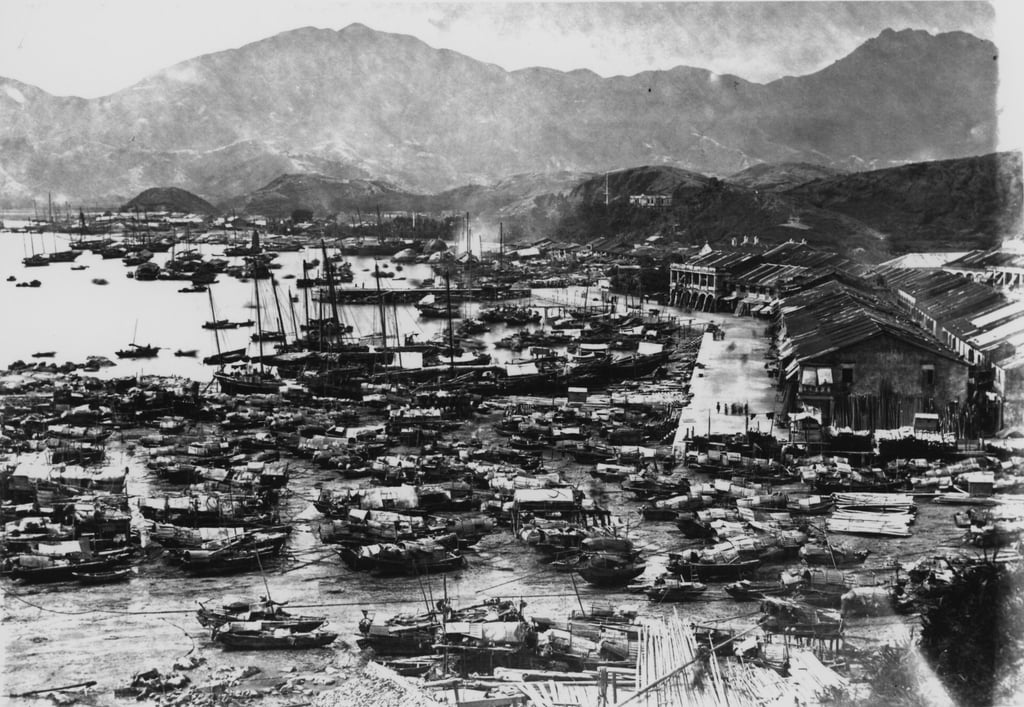
Everything associated with maritime life has one common connecting factor. From the largest aircraft carrier to the most modest sampan, one seemingly simple material is ubiquitous: rope.