
How prenups and dowry laws in ancient China empowered women, in theory. In reality, life with the in-laws could be very different
- Over 1,000 years ago in China, laws and prenuptial agreements set out the rights of a bride and her family in regard to the dowry paid to the groom’s family
- Families that could afford it endowed a bride with parcels of land and assigned her a maidservant. Often, brides struggled to protect their dowries from in-laws

I was having a conversation with an Indian-Singaporean friend, whom I’ve known since secondary school, when talk turned to dowries in Indian weddings.
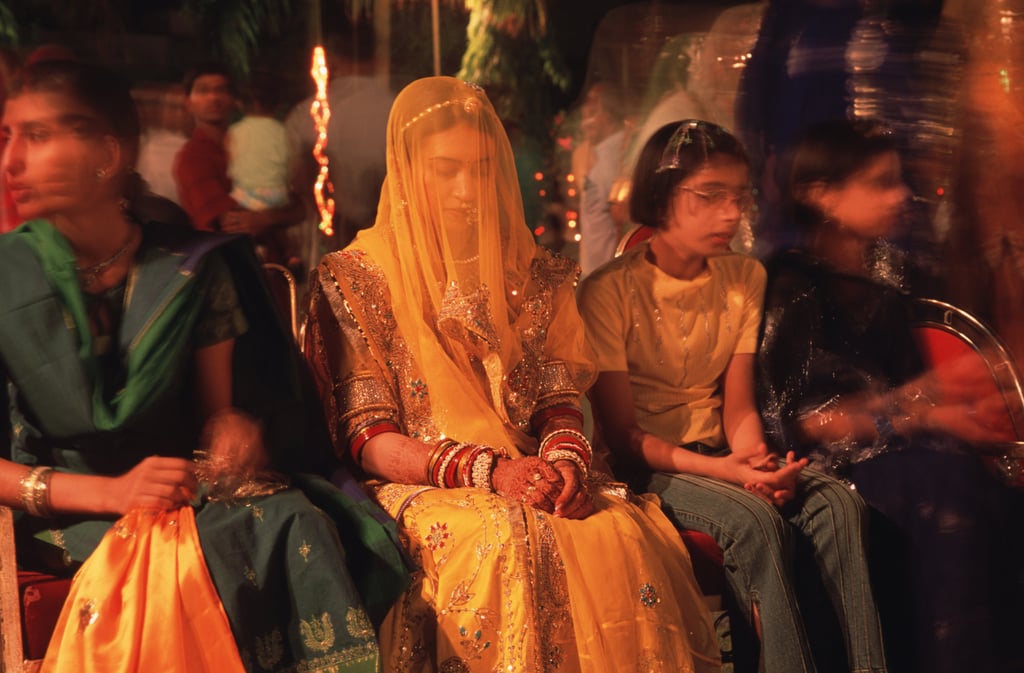
The primary function of dowries is to provide married women with financial security, especially in widowhood (hence, “dowager”). However, dowry death is a well-documented phenomenon in India and parts of the Indian diaspora, where women suffer and die for the very thing that’s meant to protect them.
Dowries are not particular to people of Indian heritage. Brides bringing chattels with them to their new family is an age-old custom practised in many cultures.
Dowries have been a feature of Chinese marriages since ancient times. By the Song period (960–1279), the laws had become very clear on dowries being the personal properties of married women.