
Reflections | Hungry Ghost Festival: old taboos, about swimming and answering to your name at night, messy offerings, and why I’d like to meet a real ghost
- This is the time in the Chinese calendar when ghosts walk among the living and need appeasing with offerings (BTW why burn paper money in the pay-by-phone era?)
- There are many taboos associated with the ghost month, but me, I’d like to see a ghost – to know there’s an afterlife, or at least seek winning lottery numbers
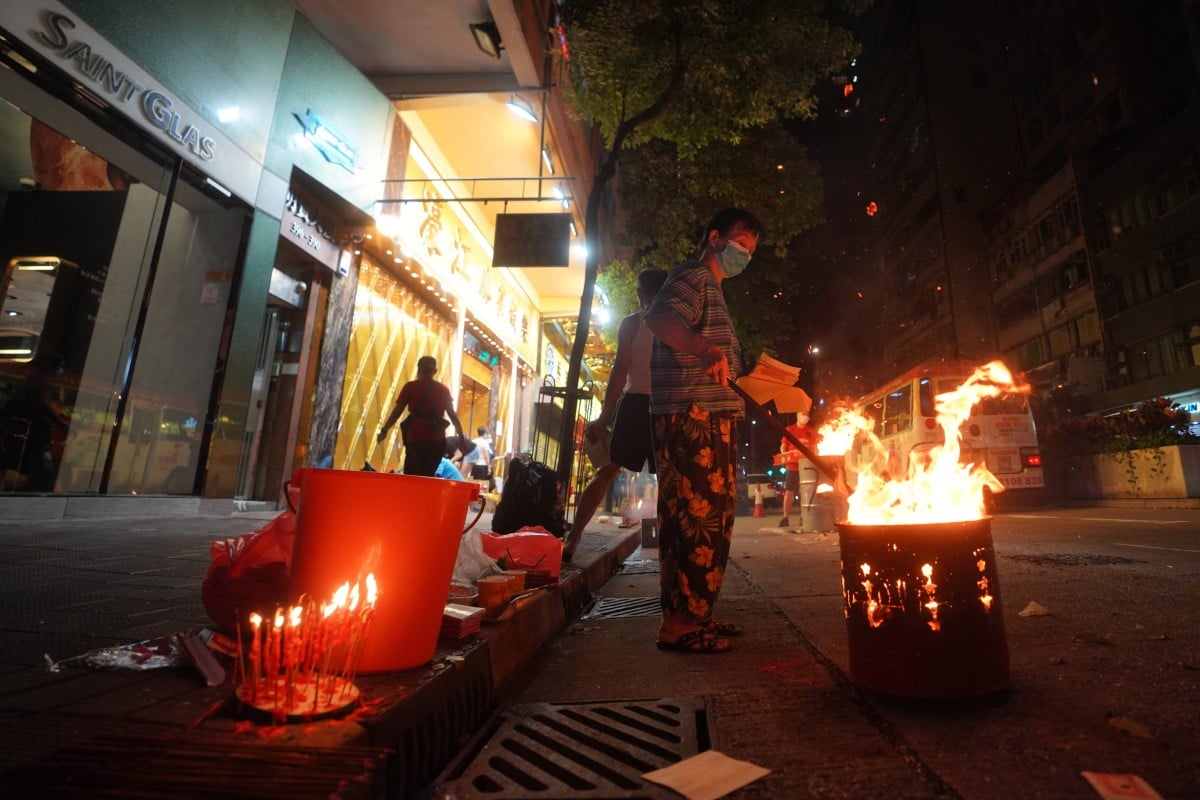
The seventh month in the traditional Chinese calendar, which falls between August 12 and September 14 this year, is associated with ghosts that supposedly wander among the living during that period.
These spirits, which may be of one’s dead relatives or any number of spectral entities, need to be appeased with offerings, failing which misfortune would befall one. A darker, more sinister version of trick or treat, if you will.
Many recent social media posts have shed light on the “true” origins of the festival and the “proper” way to observe it, but these prescriptive explanations are missing the point.
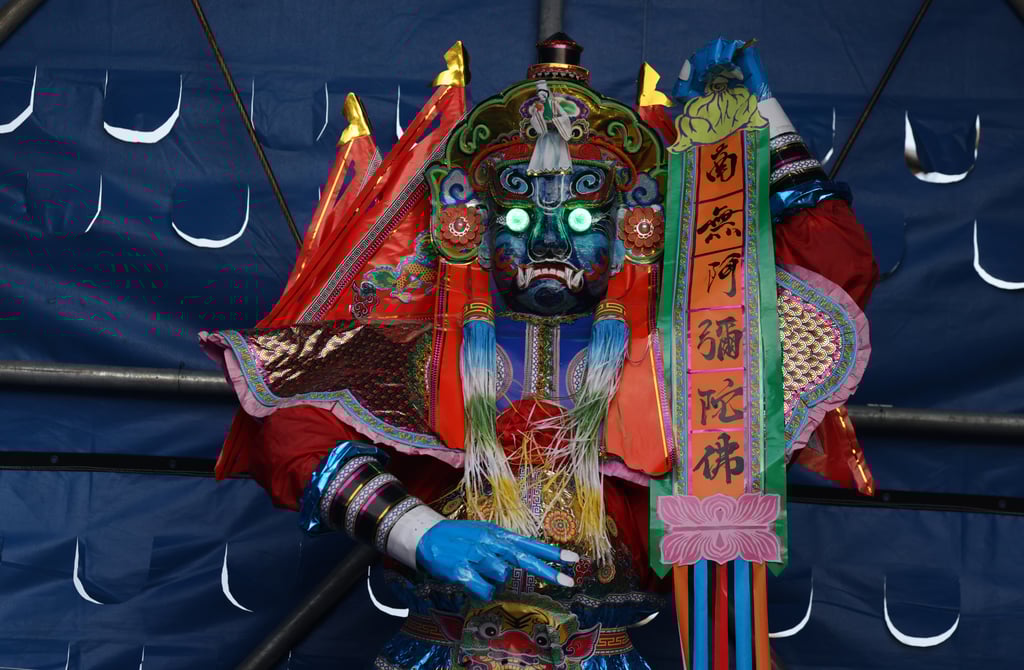
For adherents of folk customs and even established religions, what they believe in and the rituals they perform are never static. These have always evolved, sometimes to the extent of becoming unrecognisable from their original forms, and they will go on evolving.