
Coca-Cola: how plants providing cocaine and caffeine are behind the soft drink name’s origins
- The name of the all-American drink ‘Coca-Cola’ is a compound formed from its two essential ingredients, with origins in other languages
- Attempts at Chinese names resulted in phrases of nonsensical semantics until ‘kekou kele’ (‘ho lohk’ in Cantonese) came along – ‘happiness you can taste’

“The M+ Sigg Collection: Another Story” exhibition features artists reconsidering cultural identities during China’s rapid modernisation in the 1990s.
Ai Weiwei’s A Ton of Tea (2006), a cube-shaped compressed block of pu’er tea on a wooden pallet, interrogates traditional Chinese culture.
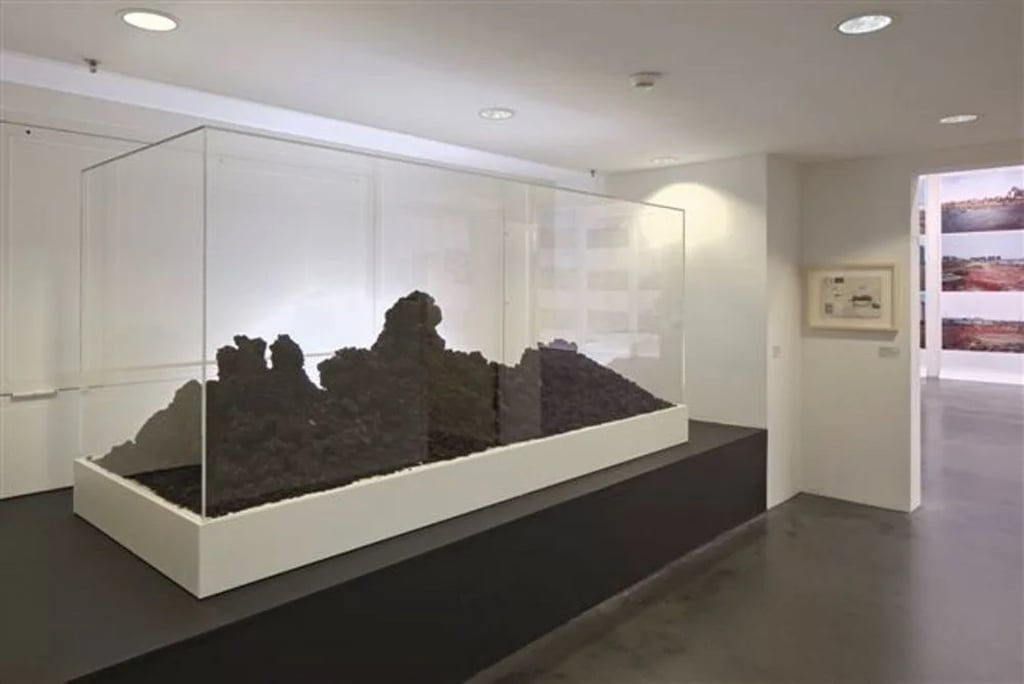
Juxtaposed against this is He Xiangyu’s Coca-Cola Project (Extraction) (2009): the 127 tonnes of Coca-Cola distilled into resin for the sculpture – some 60,000 bottles – represented the average amount of Coca-Cola sold in the artist’s hometown in a year.
Coca-Cola certainly features regularly as a quintessential symbol of Western – American – culture and consumerism. It also figures in Ai’s Han dynasty jar overpainted with the Coca-Cola logo.
Interestingly, the name of this all-American drink, developed in 1886 in Atlanta, Georgia, by pharmacist Dr John S. Pemberton (copied from the Italian sweet wine tonic), is a compound formed from its two essential ingredients, with origins in other languages.