
Macao vs Macau: what’s in a name? The former Portuguese colony, province and ‘enclave’ in China has undergone more title changes than you might imagine
- Macau’s Portuguese colonists at first called it Amacao, from the Cantonese A-ma-ngao, meaning Bay of Ama, Goddess of sailors. In English it became Amacon
- Macao came into use in the 17th century; the Portuguese spelling, Macau, was widely used only from the 70s for what was a colony, then a province, then neither

Debate periodically surfaces about “correct” spellings for certain places, and why certain usages take precedence. Macao – or Macau – is an obvious Asian example.
Before making any historical explanation for these dual spellings, let us make one contemporary point completely plain. On international treaty documents, China’s “other” Special Administrative Region is Macao with an o; Macao – not Macau – is used on Hong Kong signage on the approaches to the Macao-Zhuhai Bridge and other official documents.
Macao spelled with a u – Macau – is the Portuguese spelling, and only officially used in Portuguese-language documents.
Officially used variant English-Portuguese spellings coexist across the Lusophone world, from metropolitan Portugal itself to Macao/Macau. Thus, Lisboa becomes Lisbon; Brasil is Brazil; Moçambique is Mozambique; that country’s capital city, Lourenço Marques, becomes Lorenzo Marques (now Maputo, the older Portuguese-era name remains in widespread use).
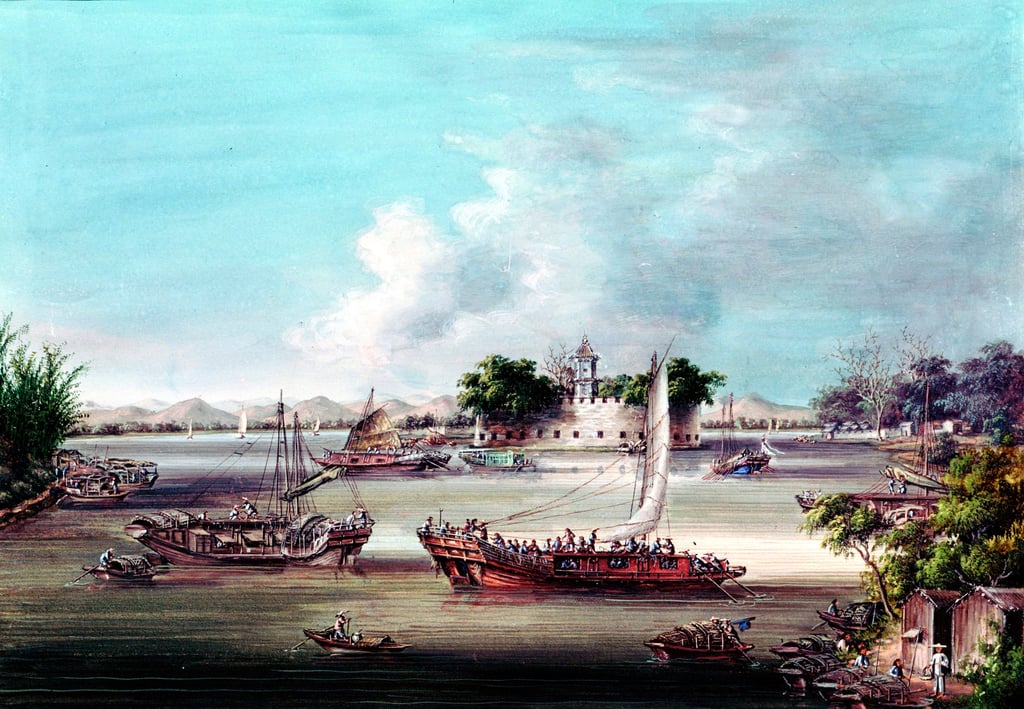
From the time of Macao/Macau’s initial settlement by the Portuguese, in 1556-57, a variety of names – with correspondingly variant spellings – were used both by the Portuguese and other European arrivals who periodically passed through the tiny settlement.