
Once the oldest known monument in Hong Kong, Sung Wong Toi has survived development plans and Japanese occupiers’ quarrying
- Inscribed stone dating from the Southern Song dynasty and the time of boy-emperor Duanzong’s flight through the Kowloon hills is in its own park in Kowloon City
- The first antiquity gazetted for historical preservation in Hong Kong, it was part of a large boulder atop a hill until Japanese occupiers quarried the latter

Hong Kong contains few significant heritage locations with historical relics that date back more than a couple of centuries – at the very oldest. Reasons for this absence are obvious, if rarely stated – especially these days.
Ultimately, urban Hong Kong is an artefact of the mid-19th century British presence on the China coast, which – along with foreign rule – generated rapid, steady population flows into what were hitherto a series of scattered, semi-subsistence-level villages geographically isolated from larger urban centres.
Hong Kong’s oldest documented historical monument lurks quietly in an attractive small park in Kowloon City. Sung Wong Toi – “Sung Emperor’s Terrace” – was justifiably regarded, before the Pacific war supervened, as the single most important Chinese antiquity found in Hong Kong.
The stone carving is a tangible link to the final years of the Southern Song dynasty (1127-1279), and second-to-last boy-emperor Duanzong’s escape through the Kowloon hills from invading Mongol hordes.
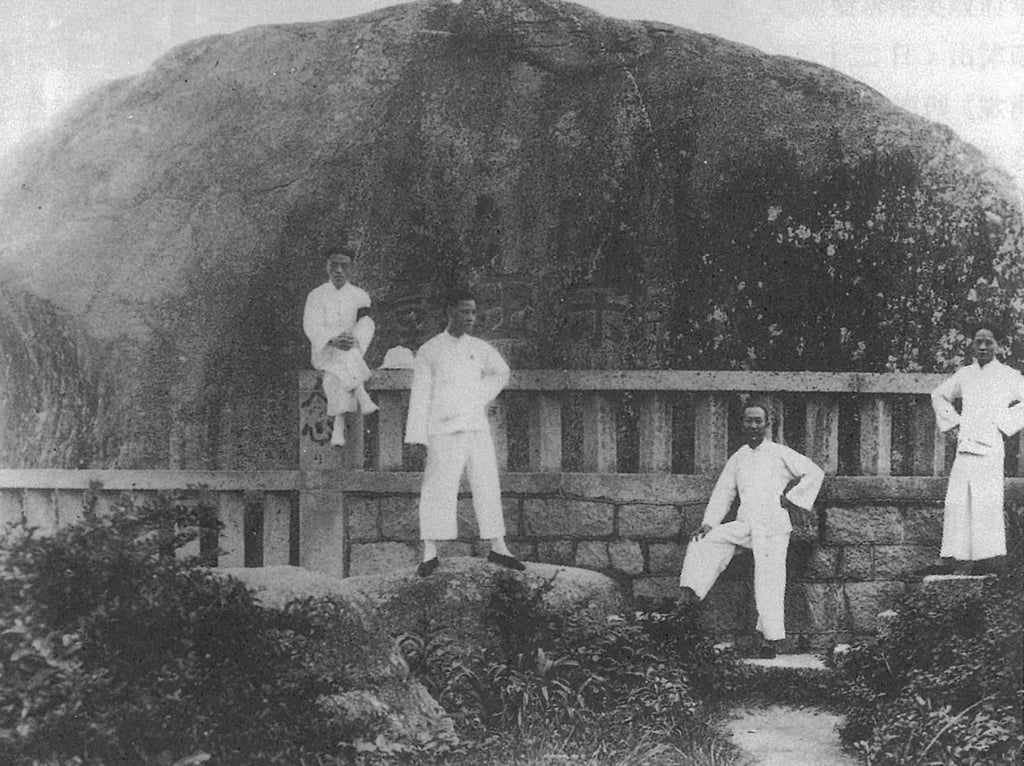
Present-day memorial inscriptions were carved in 1807; earlier incisions on the boulder had been recorded down the centuries – the first dated from sometime in the early Ming dynasty (1368-1644).