
How shoddy building construction prompted Hong Kong’s love of glazed ceramic tiles
- By the end of the 1960s glazed ceramic tiles were a near-universal feature across Hong Kong buildings, and remain so today
- Contractors using salt water in concrete in the 50s and 60s led to widespread corrosion; ceramic tiles helped delay the onset of more serious structural issues

Construction methods, and forms of decorative and practical building finishes, have evolved over time in Hong Kong.
From the 1860s, early urban photography reveals exterior walls rendered in roughcast stucco, faced in early forms of Portland cement and ferroconcrete, or surfaced with red bricks of various provenances; while most came from elsewhere in China, some originated as ship’s ballast brought out from Britain.
Resultant aesthetic effects – especially when combined with plaster finishes – could be very pleasing. These decorative trends continued into the late 1940s, when Hong Kong’s enduring love affair with tiled exterior building surfaces began.
University of Hong Kong engineering graduate Lee Iu-cheung (1896-1976) was among the first to popularise the glazed ceramic tile trend.
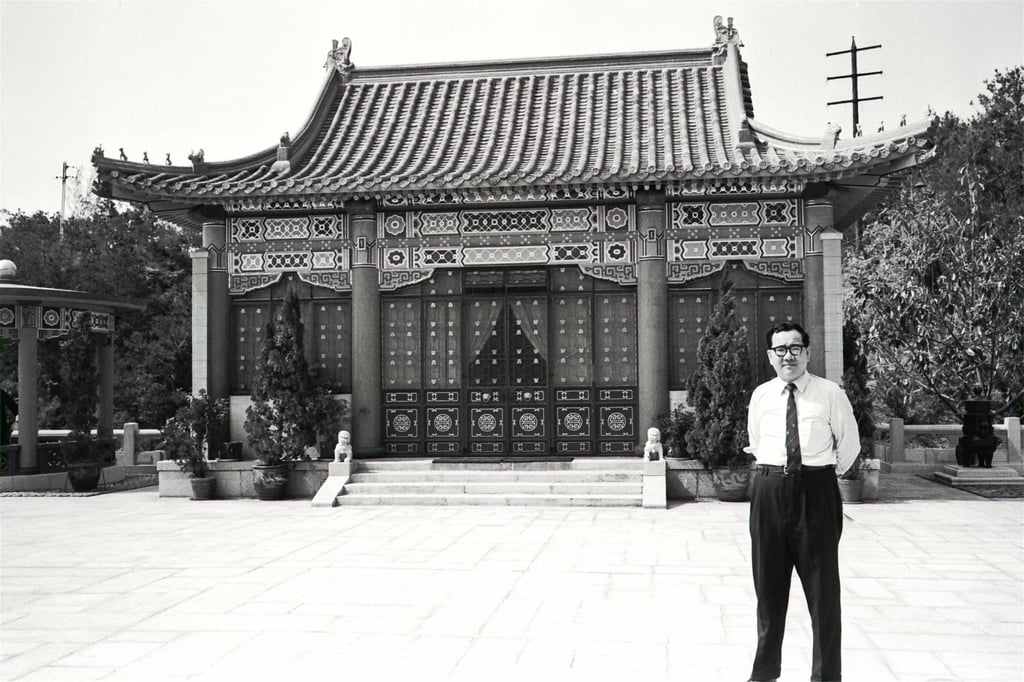
A shrewd businessman, philanthropist and long-term Tung Wah Group of Hospitals committee member, Lee owned a number of local factories that produced glazed ceramic tiles, along with washbasins, pipes and other sanitary ware; for this reason, Lee was popularly nicknamed – in his lifetime – Hong Kong’s undisputed “Toilet King”.